Best Motorcycle GPS Trackers: What Riders Should Compare
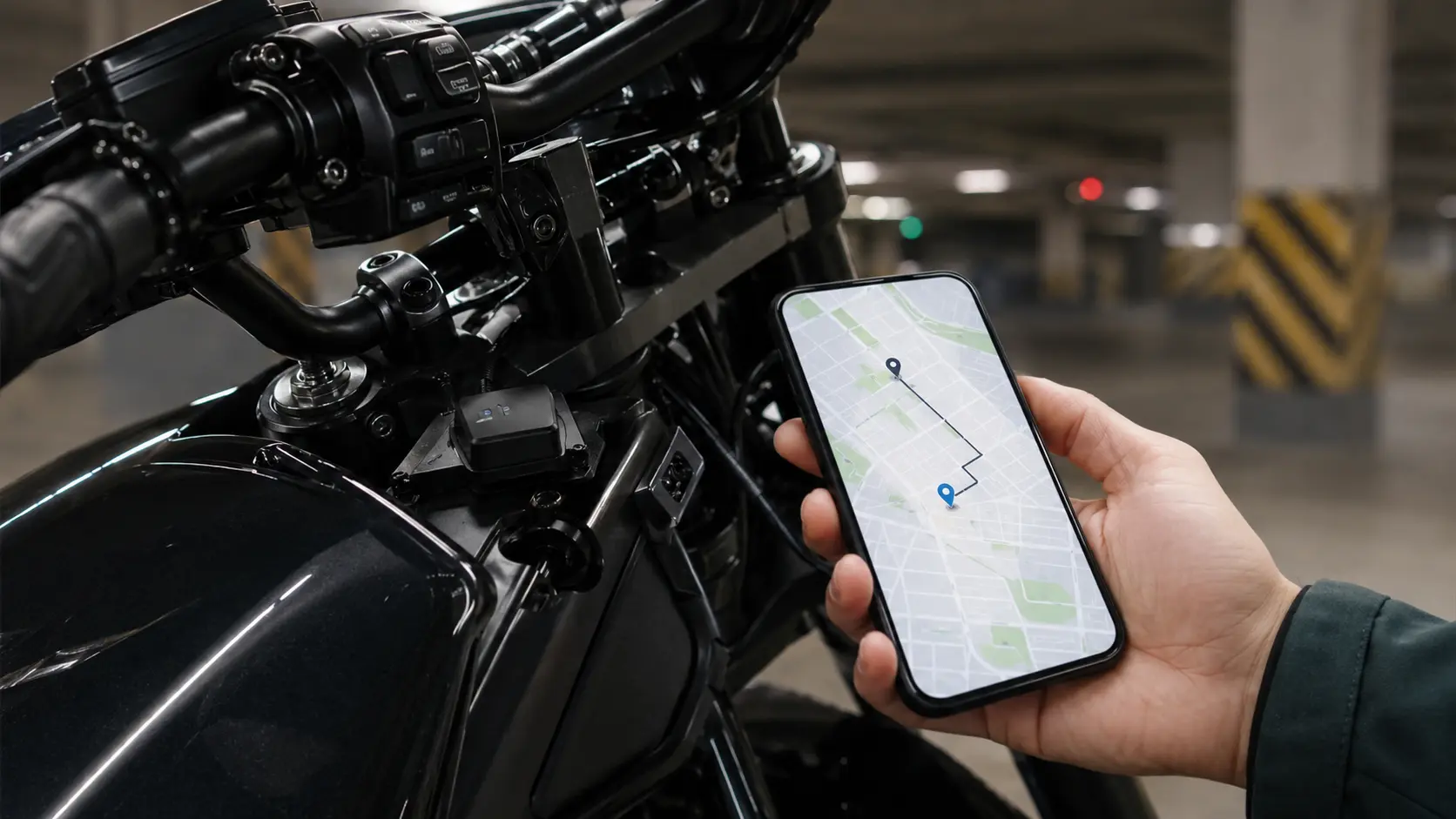
A motorcycle GPS tracker is not a magic anti-theft device. It will not wrap a chain around the bike, stop a van from pulling up, or make a thief suddenly change careers. What it can do is alert you when the motorcycle moves and help locate it if it disappears. Used correctly, that can be valuable. Used lazily, it becomes another gadget you forget about.
The best motorcycle GPS tracker is the one that fits your parking situation, sends reliable alerts and stays powered when you need it. A rider who parks outside in a city has different needs from someone who keeps a weekend bike in a locked garage. This guide explains how to compare trackers like a rider, not like someone reading a product box.
Start With How Your Motorcycle Is Parked
Before comparing trackers, think about where the bike sleeps. Street parking, apartment lots, public garages, workplace parking and home garages all create different theft risks. A tracker is more important when the motorcycle is exposed, parked in the same place often, or easy to lift into a vehicle.
If your bike is stored inside a locked garage, you may still want a tracker, but physical security may matter more. If the bike sits outside overnight, alerts and recovery support become more important.
Tracker Features That Actually Matter
| Feature | Why It Matters | What to Watch For |
|---|---|---|
| Motion alerts | Warns you when the bike moves. | Alerts must be fast and reliable. |
| Battery backup | Helps if the bike battery is disconnected. | Backup life varies a lot. |
| App quality | The app is how you receive alerts. | A bad app makes a good tracker frustrating. |
| Subscription cost | Cellular trackers often need monthly service. | Calculate the multi-year cost. |
| Water resistance | Motorcycles face rain, washing and vibration. | Cheap units may not survive long. |
| Geofencing | Alerts when the bike leaves a set area. | Too many false alerts become annoying. |
Hardwired vs Battery-Powered Trackers
A hardwired tracker connects to the motorcycle’s electrical system. The advantage is convenience: you do not need to charge it constantly. The risk is poor installation or battery drain, especially if the motorcycle sits for long periods.
A battery-powered tracker is easier to hide and can be moved between motorcycles. The downside is that you must remember to charge it. If you forget, it becomes useless. Some riders use both: a hardwired unit for regular protection and a hidden battery tracker as backup.
Alerts Are More Important Than Map Screens
Many trackers show a nice map. That is useful after the bike moves, but the alert is what matters first. If the motorcycle is being pushed away, you need to know quickly. Delayed alerts reduce the value of the tracker.
Test alerts after installation. Move the bike a short distance and see what happens. Check how long the app takes. Check whether notifications arrive when your phone is locked. A tracker should be tested before it is trusted.
Subscription Cost Can Change the Real Price
Some GPS trackers are cheap to buy but expensive to keep active. Others cost more upfront but less monthly. Do not compare only the device price. Calculate the cost over two or three years.
If you stop paying the subscription, the tracker may lose its most important features. A tracker with an expired plan is not much better than a hidden plastic box.
Where to Hide a Tracker
The tracker should not be obvious, but it still needs signal. Hiding it under thick metal or too deep inside the motorcycle can reduce GPS or cellular performance. The best hiding place is not the same for every motorcycle.
After choosing a location, test it. If the app shows poor location or delayed updates, move the tracker. Do not wait until theft happens to find out the signal is weak.
Trackers Work Best With Physical Security
A tracker helps you know the bike moved. A lock helps slow the movement. A cover reduces attention. An alarm adds noise. These layers work together.
For many riders, a sensible setup is a disc lock alarm, a chain at home and a GPS tracker with motion alerts. If the motorcycle is high-value or parked outside, stronger layers make sense. You can also read the motorcycle alarm systems guide for more security setup ideas.
Recovery: What to Do if the Bike Moves
If your tracker shows the motorcycle moving unexpectedly, stay calm. Do not put yourself in danger. Contact local authorities and provide location information if needed. Keep your VIN, photos and insurance details ready before anything happens.
Tracking can help recovery, but confronting thieves yourself can be dangerous. The tracker is a tool, not a reason to take unnecessary risks.
Common Tracker Mistakes
- Buying a tracker and never testing alerts.
- Forgetting to charge a battery-powered tracker.
- Letting the subscription expire.
- Hiding the tracker where signal is poor.
- Using only a tracker and no physical lock.
- Ignoring low-battery warnings.
- Not recording the VIN and current photos.
How to Choose for Your Situation
If you park outside every night, prioritize motion alerts, battery backup and subscription reliability. If the bike is mostly garaged, you may prioritize long standby time and occasional geofence alerts. If you travel, choose something rugged and easy to monitor from the phone.
If you are still choosing a motorcycle and theft risk matters, compare models in the MotoLibrary specs database. Some categories are simply more attractive to thieves, especially in urban areas.
FAQ
Can a GPS tracker prevent motorcycle theft?
Not by itself. It can alert you and help with recovery, but it should be used with locks, alarms and smart parking.
Is hardwired better than battery-powered?
Hardwired is convenient, but battery-powered can be easier to hide. The best choice depends on how often you ride and where you park.
Do motorcycle GPS trackers need subscriptions?
Many do because they use cellular data. Always check the long-term subscription cost before buying.
Where should I hide the tracker?
Hide it where it is not obvious but still gets signal. Test location accuracy after installation.
Should I call police if my tracker shows theft?
Yes, if the motorcycle appears stolen. Do not put yourself in danger by confronting thieves.
Final Take
A motorcycle GPS tracker is worth considering if your bike is exposed, valuable or parked in a risky area. Choose one for reliable alerts, battery strategy, app quality and long-term cost. Then use it with physical security. The best tracker is not the one with the flashiest map; it is the one that still works on the day you actually need it.