How to Know If a Motorcycle Really Fits You
Seat height is one of the first numbers new riders notice when they compare motorcycles, but it is also one of the easiest numbers to misunderstand. A bike can have a low seat height and still feel heavy, wide, awkward, or stressful at a stop. Another bike can look tall on paper but feel easier because the seat is narrow, the weight is carried low, and the handlebar position gives the rider better control.
This guide is written for riders in the United States who are shopping for a first motorcycle, returning to riding after a long break, or trying to understand why some bikes feel comfortable while others feel intimidating. The goal is not to make every rider flat foot every motorcycle. The goal is to help you choose a bike that lets you stop, start, turn, park, and recover from small mistakes without panic.
Why seat height matters more for beginners
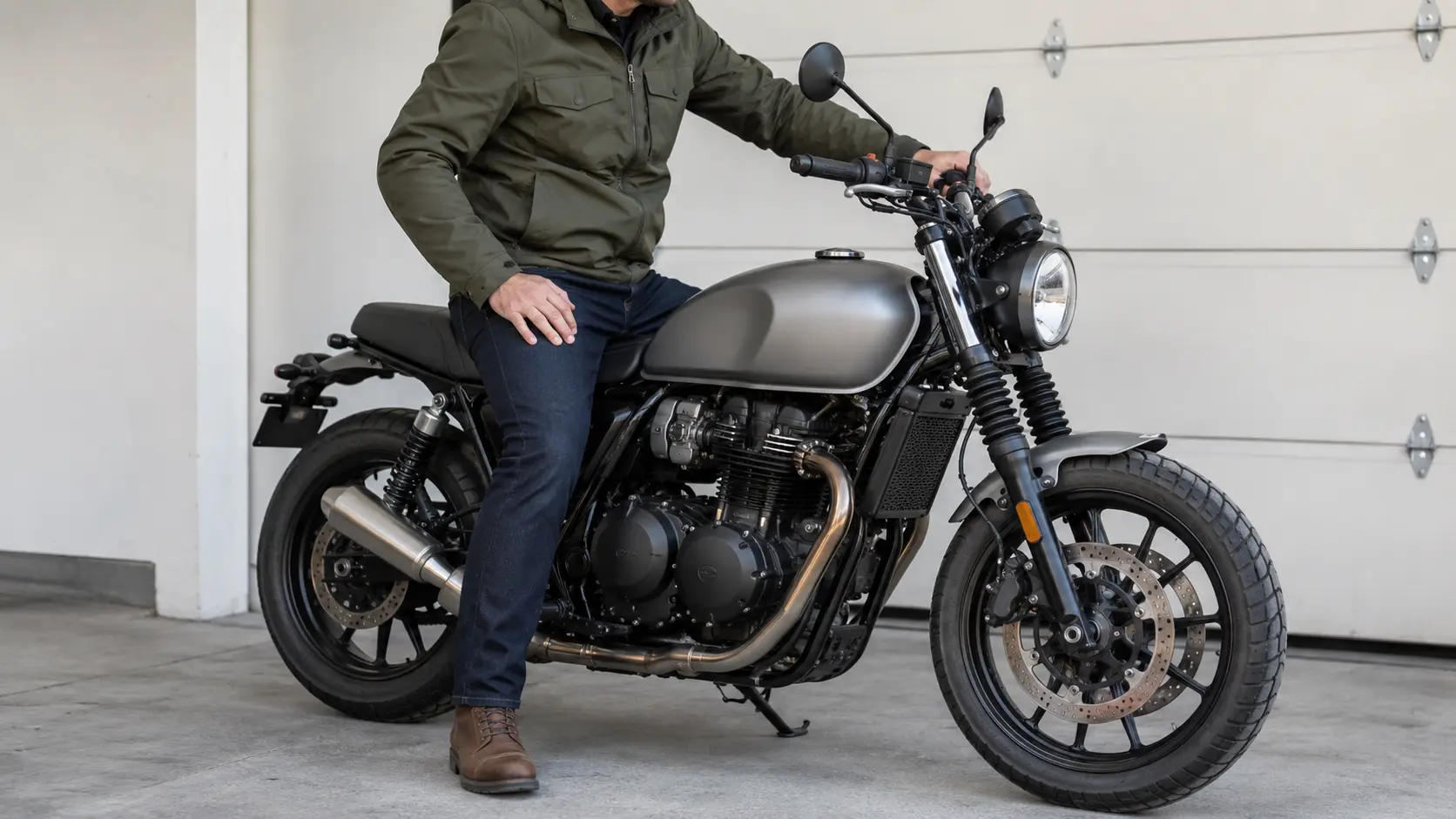
Experienced riders can often manage taller motorcycles because they have better clutch control, braking habits, balance, and judgment at low speeds. A beginner does not yet have those habits. That makes every stop sign, sloped driveway, gravel parking lot, and gas station turn more important.
When a motorcycle feels too tall, a new rider may lean the bike too far at stops, grab the front brake suddenly, paddle both feet in traffic, or avoid normal riding situations. That does not build skill. It builds tension. The right seat height makes practice easier because the rider can focus on looking through the turn, using smooth clutch control, and planning stops instead of fighting fear every time the bike slows down.
Seat height is not only about short riders. Tall riders can also choose poorly. A very low cruiser may make a taller rider fold the knees sharply, reach awkwardly for the handlebar, or feel cramped after thirty minutes. The best fit is the one that gives the rider relaxed control, not the one that simply produces the lowest number on a spec sheet.
Seat height versus inseam: what the number really means
Motorcycle seat height is usually listed in inches in the United States. Your inseam is also measured in inches, usually from the floor to the crotch while standing. It is tempting to compare those two numbers directly, but that can be misleading.
A 31 inch seat height does not automatically require a 31 inch inseam. The seat may be narrow, which lets your legs drop straighter. Riding boots add sole thickness. Suspension compresses when you sit on the bike. On the other hand, a wide seat can make a 29 inch motorcycle feel taller than expected because your legs must angle outward before they reach the ground.
That is why a showroom sit test matters. You can use MotoLibrary filters to narrow your options, then verify the fit in person whenever possible. Numbers help you create a shortlist. Your body decides the final answer.
The three foot positions new riders should understand
Many riders assume the only safe position is flat footing both feet. That is comfortable, but it is not the only workable position. What matters is whether you can hold the bike upright calmly and repeat that stop many times in real traffic.
Both feet flat
This is the most confidence inspiring position for many beginners. Both boots sit fully on the ground, the knees have a slight bend, and the rider can hold the bike upright without leaning. It is especially helpful for brand new riders, shorter riders, heavier motorcycles, city commuting, and stop and go traffic.
Both balls of the feet
This means both feet touch the ground, but the heels do not fully settle. Many riders can manage this well on lighter motorcycles. It can be acceptable when the bike is narrow, the weight is easy to control, and the rider has practiced smooth stops.
One foot down
Many trained riders stop with the left foot down and the right foot covering the rear brake. This is a useful skill, but it should not be an excuse to buy a motorcycle that overwhelms you. A beginner should still be able to recover balance if the pavement is uneven, if the bike stops at a slight angle, or if traffic forces a quick correction.
Quick fit table for new riders
| Rider situation | Better starting point | Why it helps |
|---|---|---|
| First motorcycle with no street experience | Both feet flat or almost flat | Reduces stress during stops, turns, parking, and traffic practice. |
| Shorter inseam or nervous at stops | Low and narrow seat with moderate weight | A narrow seat often matters as much as the listed seat height. |
| Taller rider on small beginner bike | Check knee bend and handlebar reach | A bike can be easy to touch down but cramped on longer rides. |
| Adventure bike interest | Test low seat mode or lower trim first | Adventure bikes often feel taller because of suspension travel and seat width. |
| Daily commuting in busy areas | Easy flat foot reach and low center of gravity | Frequent stops make confidence more valuable than peak performance. |
How to measure your inseam for motorcycle shopping
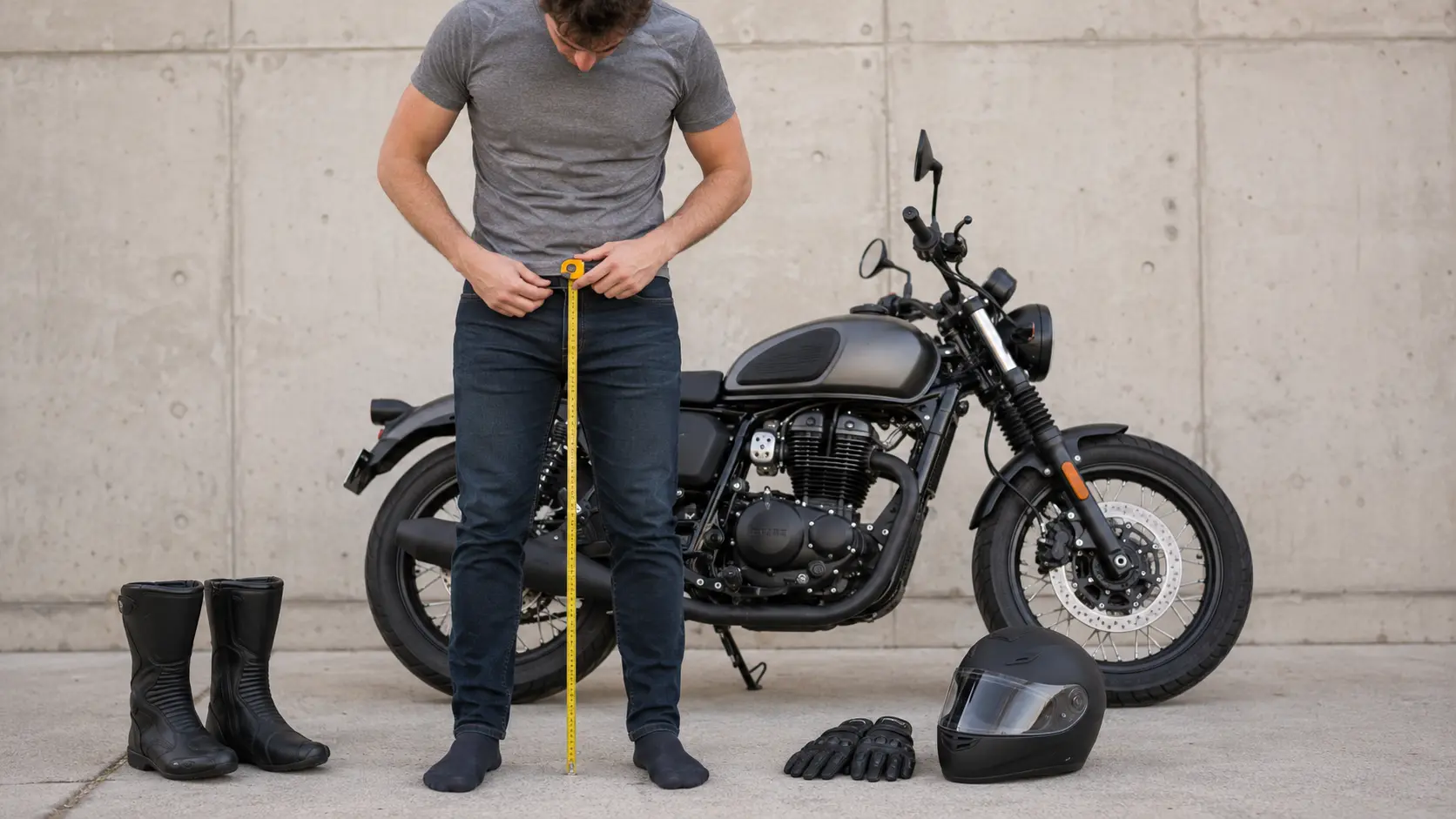
Use the inseam number as a starting tool, not a final rule. Wear the type of pants and boots you expect to ride in. Stand against a wall with your feet about shoulder width apart. Place a book or flat object gently upward between your legs to simulate the pressure of a motorcycle seat. Measure from the top edge of the book to the floor.
Write that number down, then compare it with seat heights on your shortlist. If your inseam is around 28 to 30 inches, do not assume you are limited to only the lowest cruisers. A narrow standard bike, a beginner friendly naked bike, or a lower seat option may work well. The motorcycles for short riders page is a useful place to start if reach is your main concern.
Why seat width can make a bike feel taller
Two motorcycles can both list a 31 inch seat height and feel completely different. Seat width is one reason. A wide saddle pushes your thighs outward before your legs drop toward the ground. That changes the angle of your legs and reduces how much reach you actually have.
This is common on some adventure bikes, touring bikes, and large cruisers. The seat looks comfortable, but the width makes low speed control harder for riders with shorter inseams. A narrower seat can feel more manageable even if the official number is slightly taller.
When you sit on a motorcycle, pay attention to how your legs fall. Are your knees forced wide? Are you sliding forward to reach the ground? Are you leaning the bike to one side before you even start moving? Those details matter more than the spec number alone.
Weight and center of gravity matter as much as height
A low motorcycle is not automatically easy. If it is very heavy, top heavy, or has a wide turning radius, it can still be difficult for a beginner. This is one reason some new riders feel better on a lighter standard motorcycle than on a low but heavy cruiser.
The center of gravity describes where the mass feels concentrated. A bike with weight carried low can feel stable and manageable. A bike with weight carried high can feel tippy at walking speed, especially when the fuel tank is full or luggage is mounted high.
When using MotoLibrary compare tools, do not look at seat height by itself. Compare curb weight, engine size, riding position, and intended use. A bike that looks perfect in one category may not be the easiest bike for your actual day to day riding.
Riding position changes how seat height feels
Seat height is only one part of ergonomics. A motorcycle can fit your inseam but still feel wrong if the reach to the bars is too long, the pegs are too far forward, or the rider triangle puts pressure on your wrists.
Cruisers often have low seats, but some place the feet forward. That can feel relaxed on open roads, yet it may make it harder for a beginner to stand slightly on the pegs over bumps or adjust body position during slow maneuvers. Sport bikes may have reasonable seat heights, but their forward lean can feel intense for everyday riding. Adventure bikes can be comfortable while moving but tall at stops.
For many beginners, standard and naked motorcycles are worth a close look because they often combine neutral posture, moderate weight, and predictable control. You can browse broader options through MotoLibrary bikes and then narrow the list by style, size, and comfort needs.
How to do a real showroom fit test
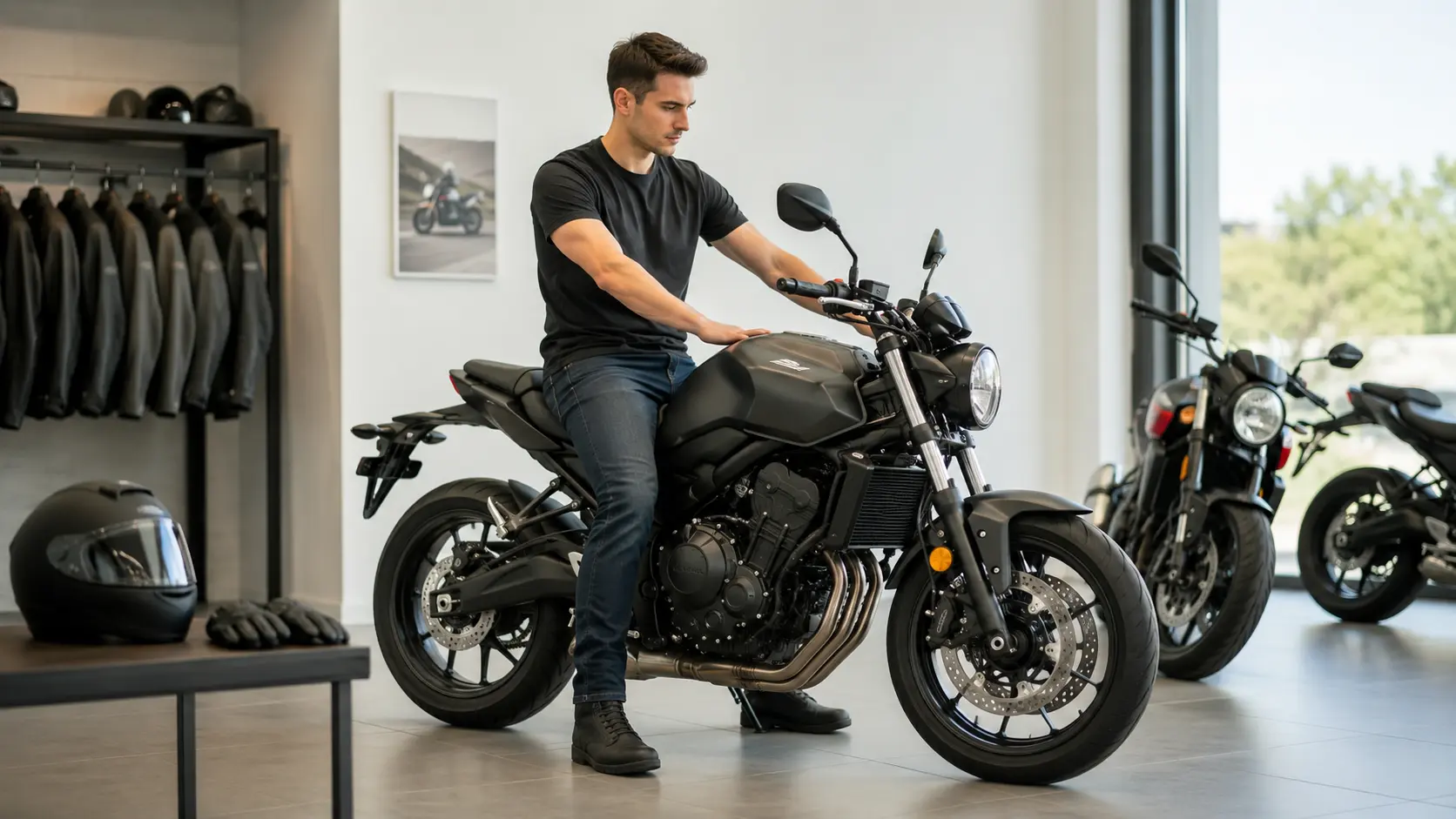
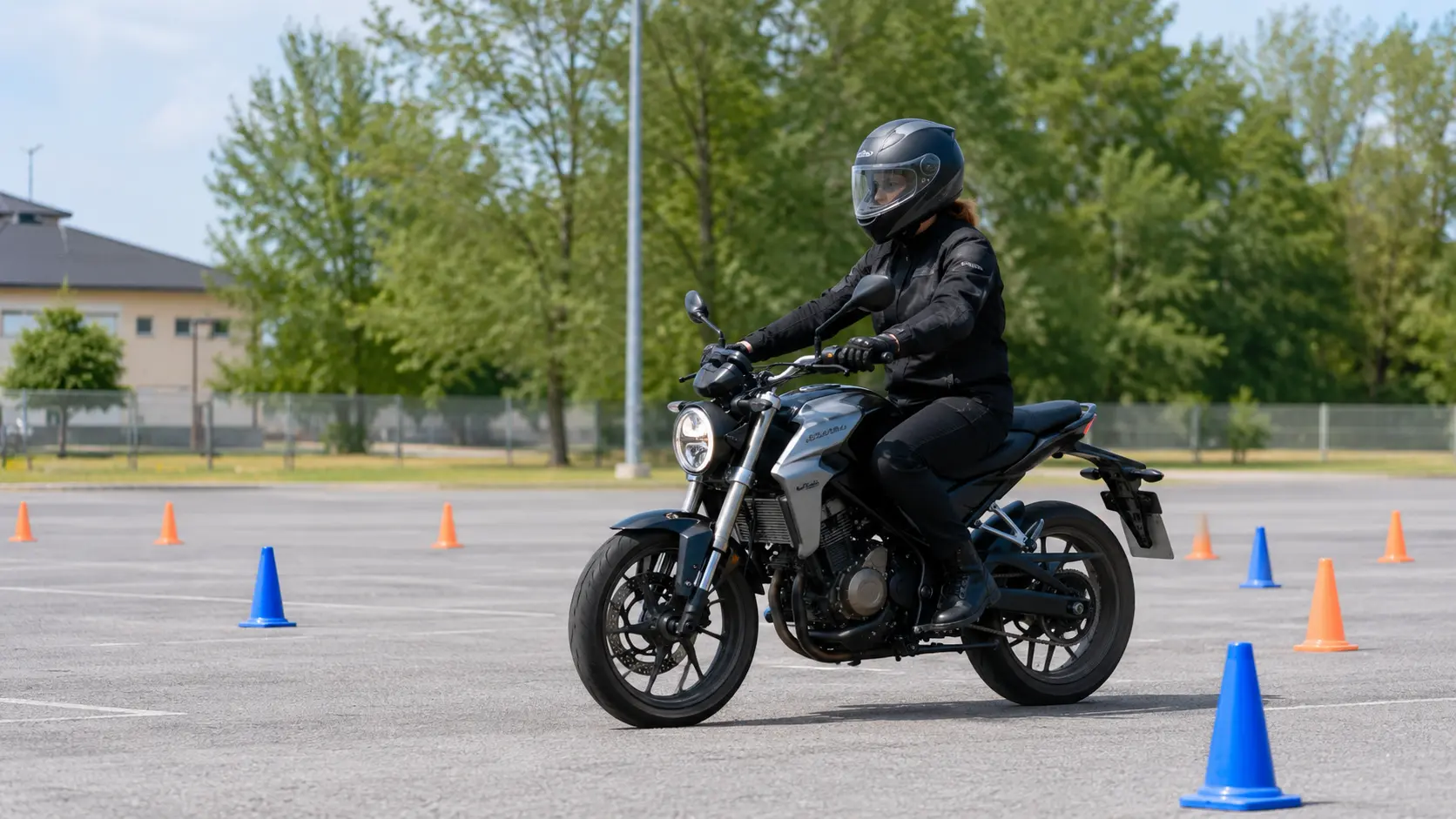
A proper fit test is more than sitting on the bike for ten seconds. Ask the seller or dealer for permission, then take your time. Wear riding boots if you already own them. Put the bike upright, not leaned on the side stand. Place both hands on the bars, look forward, and settle into a natural riding posture.
Check whether you can touch the ground calmly. Then check whether you can reach the controls without locking your elbows. Turn the handlebar left and right. Make sure your knees do not hit awkwardly. Try placing one foot on the ground and the other on the peg. Imagine stopping on a slight hill or backing out of a parking spot.
If the bike already feels stressful in a quiet showroom, it may feel much worse in traffic. Confidence in the first few months matters. The right motorcycle should make you want to practice, not make you search for excuses to leave it parked.
Do you need to flat foot a motorcycle?
No, not every rider needs to flat foot every motorcycle. Many skilled riders use only one foot at stops. But for a first motorcycle, being able to place both feet securely on the ground can be a major advantage. It gives you more room for imperfect stops, uneven pavement, and slow parking lot mistakes.
The better question is not whether flat footing is required. The better question is whether you can stop the bike repeatedly without tension. If you can only touch with one toe, if you feel your hip shifting off the seat, or if you need to lean the bike heavily to hold it up, that motorcycle may be too tall for your current experience level.
There is no shame in starting with an easier fit. In fact, it is often the smarter path. A manageable bike lets you build real skills faster. Later, you can move to a taller or heavier motorcycle with better judgment and more confidence.
Best motorcycle types for easier seat height
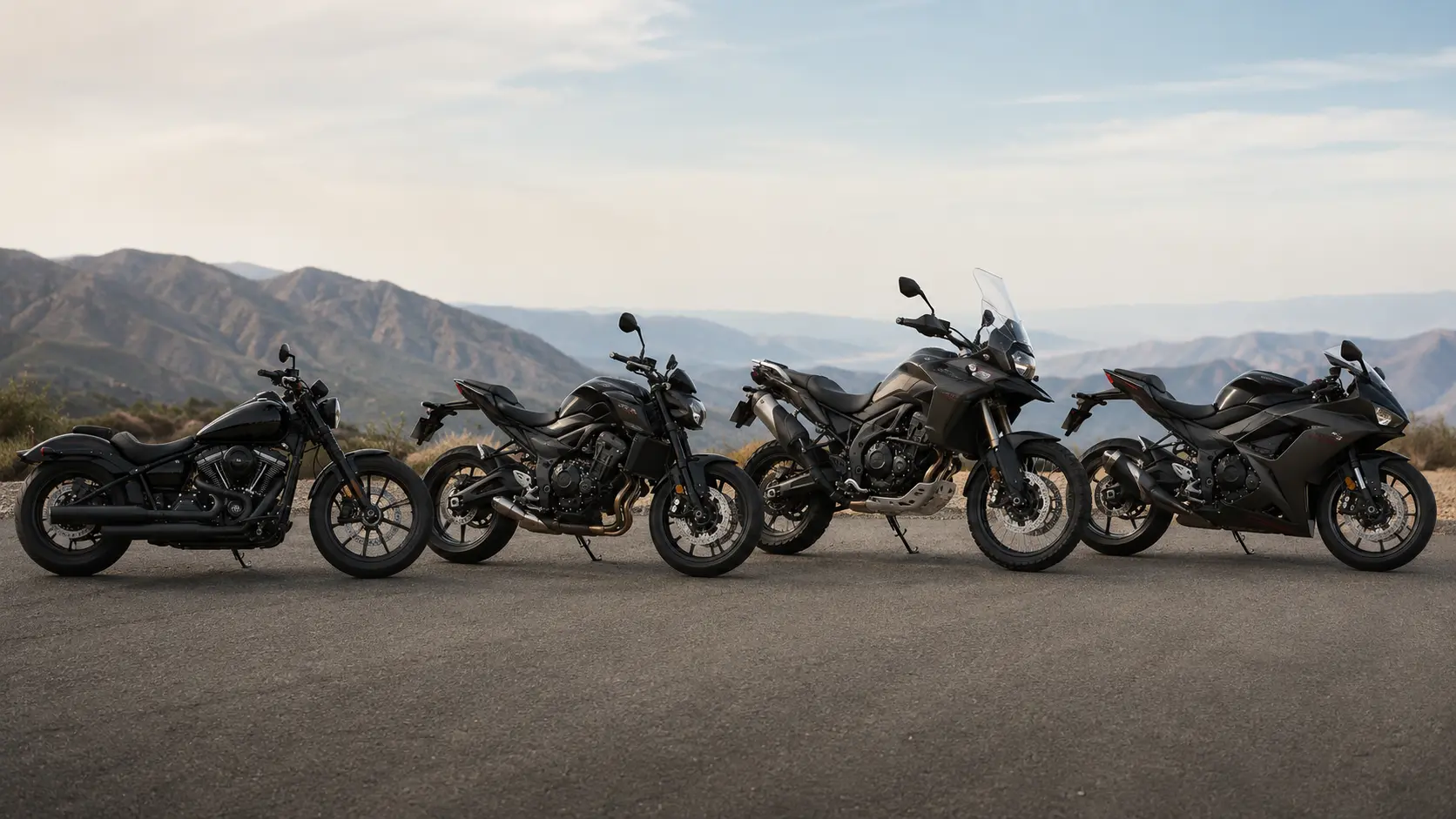
Different categories tend to feel different at stops. Cruisers usually have the lowest seats, but some are heavy. Small standards and naked bikes often balance moderate seat height with easier weight. Dual sports and adventure bikes usually have taller seats, but lighter dual sports can still be manageable for some riders because they are narrow.
The safest approach is to start with how and where you will ride. A short city commute, weekend backroad rides, and long highway trips all point toward different priorities. If you are still choosing your first category, read how to choose the right motorcycle for you before you commit to one style.
Common mistakes beginners make with seat height
Choosing by the lowest number only
A low seat can help, but it does not solve every fit problem. A heavy bike with a long wheelbase can still be difficult in tight spaces. A narrow and lighter bike with a slightly taller seat may be easier to handle.
Ignoring riding boots
Riding boots can add useful support and a bit of sole height. More importantly, they provide grip and ankle protection. Do not judge reach while wearing soft sneakers if you plan to ride in proper boots.
Buying too much motorcycle too soon
A powerful or heavy motorcycle may look exciting, but it can slow down your learning. A first bike should reward smooth control. The best beginner motorcycles are usually easier to manage, cheaper to insure, and less stressful during practice.
Assuming lowering links are always the answer
Lowering a motorcycle can help some riders, but it can also affect suspension geometry, cornering clearance, side stand angle, and handling. A lower seat option or narrower seat may be a cleaner first step.
Should you lower a motorcycle?
Lowering can be useful, but it should not be your first solution for every fit issue. Before changing suspension, look for factory low seats, accessory seats, narrower seat shapes, preload adjustments, and boots with a supportive sole. These options may improve reach without changing the way the bike handles.
If you do lower a motorcycle, have the work done correctly. The front and rear setup should remain balanced. The side stand may need attention. Ground clearance may change. For a beginner, buying a bike that fits naturally is usually better than buying the wrong bike and trying to force it into shape.
How seat height affects used motorcycle shopping
Used motorcycles add another layer. A previous owner may have changed the suspension, installed a different seat, modified the handlebars, or lowered the bike without documenting the work. That means the listed factory seat height may no longer describe the motorcycle in front of you.
When inspecting a used bike, look for signs of lowering links, cut or reshaped seats, unusual side stand lean, and uneven suspension setup. Ask direct questions. Sit on the bike and compare the feel with stock examples when possible. The used bike inspection process in buying a used motorcycle for beginners pairs well with this fit check.
Seat height and insurance cost
Seat height itself usually is not the main insurance factor. Insurers care more about the motorcycle type, engine size, value, rider age, location, coverage choices, and claim risk. However, fit can still affect your real ownership cost indirectly.
If a bike is too tall or too heavy for your skill level, low speed drops become more likely. Even a simple driveway tip over can damage mirrors, levers, fairings, luggage, or exhaust parts. Choosing a bike that fits can reduce those avoidable mistakes. For the money side of ownership, compare this guide with motorcycle insurance cost.
Practical seat height test before you buy
- Sit on the motorcycle with the bike upright, not leaning on the side stand.
- Wear riding boots or similar footwear with a firm sole.
- Check whether both feet touch securely or whether you are stretching.
- Turn the handlebar fully left and right while seated.
- Place one foot down and one foot on the peg to simulate normal stops.
- Check whether the bike feels balanced or wants to fall away from you.
- Ask yourself whether you would feel calm stopping on a hill or uneven pavement.
- Compare at least three motorcycles before deciding.
This simple test is more useful than arguing about one inch on a spec sheet. The best motorcycle for you is the one you can control when the ride is not perfect.
When a taller motorcycle can still work
A taller motorcycle is not automatically wrong. Some riders adapt quickly, especially if the bike is light, narrow, and predictable. A dual sport with a tall but narrow seat may be easier for a rider than a lower motorcycle that is wide and heavy. An adventure bike with adjustable seat positions may also work for riders who already have some experience.
The key is honesty. If the bike feels tall but manageable, practice may solve the gap. If it feels tall and frightening, choose something else for now. Your first year should build judgment and control. You can always move up later.
How to use MotoLibrary tools for fit research
Start broad, then narrow down. Use filters to sort by motorcycle type, engine size, and beginner friendly categories. Use compare to place several bikes side by side. If you are not sure where to begin, use recommendations to generate a more focused shortlist.
After that, open individual bike pages and look beyond the headline numbers. Read the weight, seat height, category, engine size, and intended use together. A good shortlist should include motorcycles that fit your body, your riding environment, and your budget.
Final buying advice
For a new rider, seat height should support confidence, not ego. Do not choose a motorcycle because it looks impressive in a photo or because another rider says you will get used to it. You may get used to it, but you may also spend months fighting a machine that makes basic practice harder than necessary.
Choose a bike you can stop cleanly, steer slowly, park carefully, and pick up mentally after a mistake. Choose a bike that lets you focus on traffic, vision, braking, and smooth throttle control. A comfortable first motorcycle is not boring. It is the bike that helps you become the kind of rider who can safely enjoy more motorcycles later.
FAQ
What seat height is best for a beginner motorcycle?
There is no single perfect number, but many beginners feel more comfortable when they can place both feet flat or nearly flat on the ground. The bike should also be light enough to balance calmly at low speed.
Can I ride a motorcycle if I cannot flat foot it?
Yes, many riders do. However, a new rider should avoid a bike that requires extreme stretching, sliding off the seat, or leaning the motorcycle heavily at every stop.
Is inseam more important than height?
Yes. Total body height is less useful than inseam, seat width, boot choice, and body proportions. Two riders with the same height can have very different reach to the ground.
Do cruisers always fit shorter riders better?
Cruisers often have low seats, but some are heavy or wide. Shorter riders should still check weight, balance, handlebar reach, and foot control position before buying.
Should I lower my first motorcycle?
Only after checking easier options such as a lower seat, narrower seat, preload adjustment, or a different model. Lowering can affect handling and ground clearance if it is done poorly.
How do I know if a motorcycle is too tall for me?
If you feel tense while stopped, can only touch with one toe, must slide far off the seat, or worry about every parking lot maneuver, the bike may be too tall for your current comfort level.