How to Choose the Right Motorcycle for You
Buying a motorcycle is exciting, but it is also one of those decisions that can go very right or very wrong depending on how honest you are with yourself. Many riders start by looking at style first. They see a sharp sport bike, a rugged adventure bike or a classic cruiser and immediately imagine themselves riding it. That is normal. Motorcycles are emotional machines. They are not bought with logic alone.
Still, the right motorcycle is not simply the one that looks best in photos. It is the one that fits your body, your skill level, your riding plans, your confidence and your budget. A bike that feels amazing for someone else may feel heavy, awkward or tiring for you. A bike that seems entry-level on paper may actually be the smartest and most rewarding choice in real life.
This guide walks through the practical questions riders should ask before buying. We will look at riding style, motorcycle categories, engine size, seat height, weight, ownership cost, used-bike checks and common beginner mistakes. Use it with the MotoLibrary motorcycle specs database, the motorcycle comparison tool, the advanced motorcycle filter and the motorcycle finder to build a smarter shortlist.
Start With the Kind of Riding You Really Want to Do
The first step is also the most important one: define the kind of riding you expect to do most often. Not the kind of riding that looks coolest online, and not the kind of riding you might maybe do once a year. Think about your everyday reality.
Will you mostly commute in traffic? Will you ride on weekends for fun? Are you planning longer touring rides? Do you want something light and easy for short city trips? Will you carry a passenger often? Will you ride on rough roads or occasionally leave pavement?
A motorcycle that works brilliantly in one environment can feel frustrating in another. A sport bike may feel sharp and exciting on smooth roads, but aggressive ergonomics can become tiring in traffic. A large touring motorcycle may be excellent on the highway, but heavy and inconvenient for short urban rides. An adventure bike may handle bad roads well, but might feel too tall for a shorter rider.
A good rule is simple: choose for the riding you will do most of the time. If most of your miles will be commuting, prioritize ease, comfort and manageable size. If most of your miles will be longer weekend rides, wind protection and comfort matter more. If you want mixed surfaces, versatility becomes important.
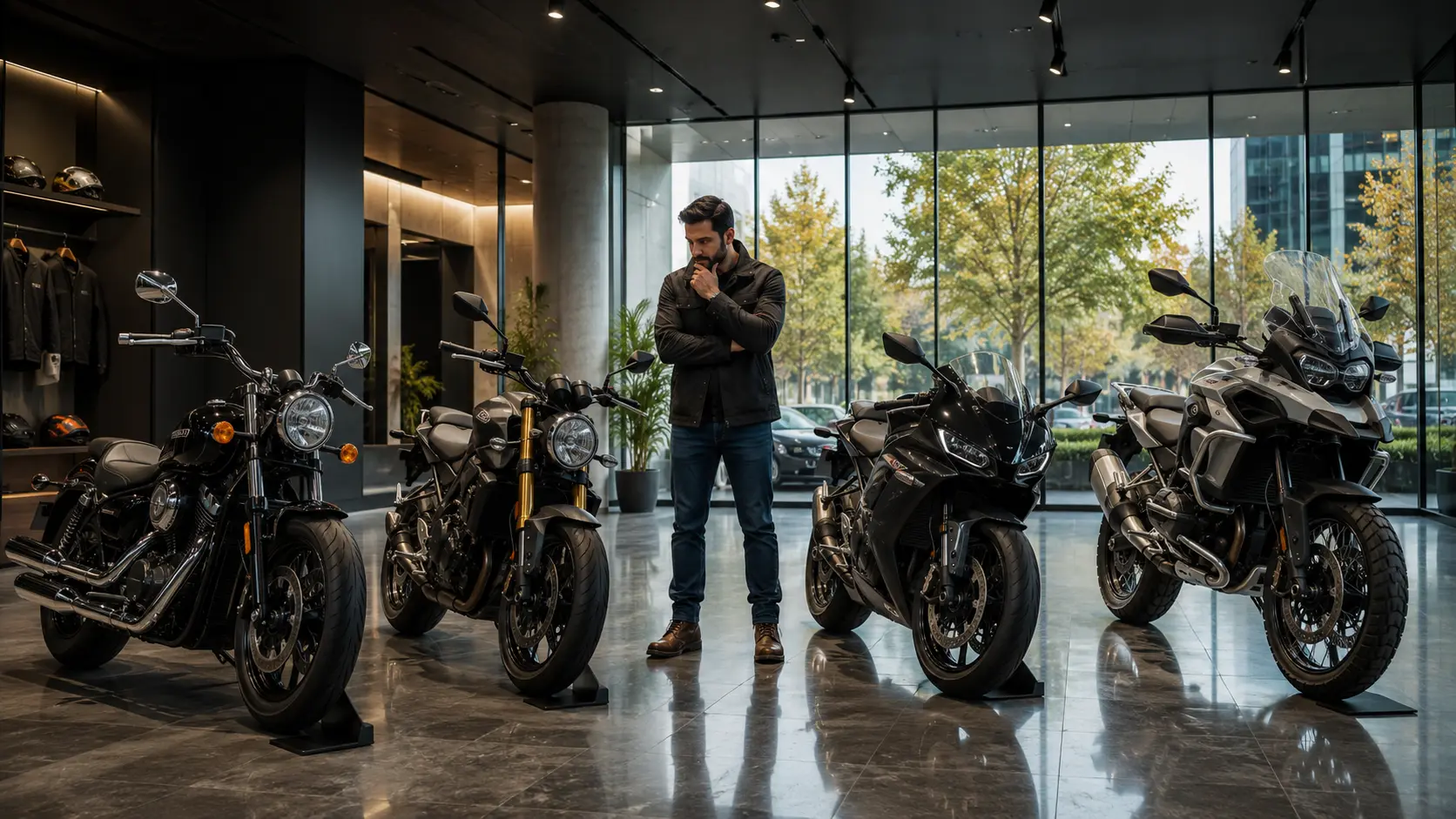
Understand the Main Motorcycle Categories
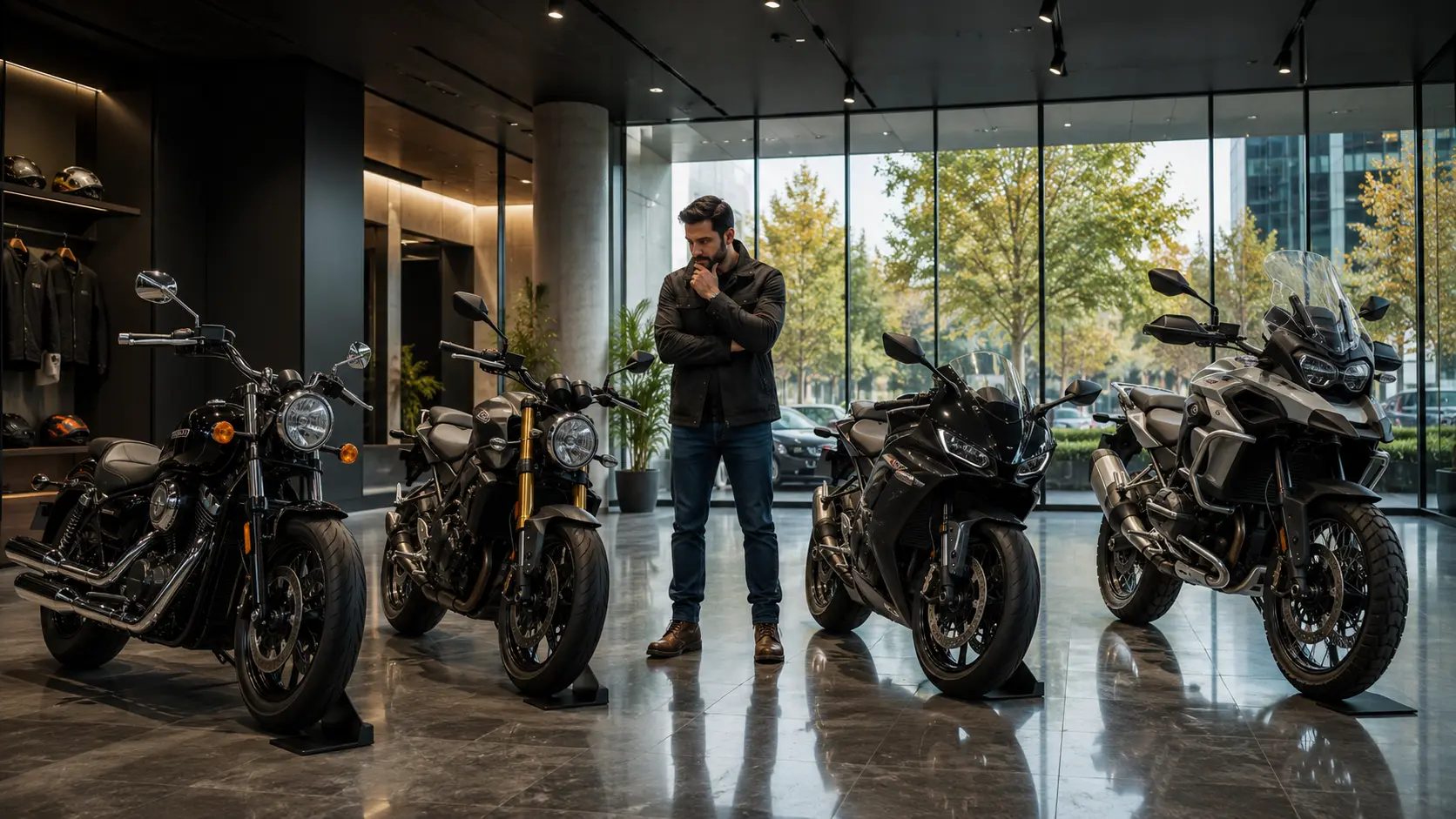
You do not need to memorize every category name in the industry, but understanding the basic motorcycle families helps a lot. Each category has a different purpose, riding position and ownership personality.
Standard and Naked Motorcycles
Standard and naked motorcycles are often the easiest bikes to recommend, especially for beginners and everyday riders. They usually offer an upright riding position, simple ergonomics and flexible performance. Many naked bikes are light enough to handle easily while still being strong enough for highway riding.
They are practical, versatile and usually less intimidating than fully faired sport motorcycles. If you are unsure where to start, a standard or naked bike is often a safe direction.
Sport Bikes
Sport bikes prioritize performance, sharp handling and aggressive styling. Many are exciting and capable, but they can also be less forgiving. Riding position, seat comfort and insurance cost may all be less beginner-friendly. Some smaller sport bikes are reasonable starter bikes, but high-performance models can be a poor match for new riders.
Cruisers
Cruisers are popular because of their relaxed look, low seat height and calm riding style. Many riders appreciate their confidence-inspiring stance, especially at low speed. However, not all cruisers are beginner bikes. Some are heavy and long, which can make low-speed control trickier than expected.
Adventure and Touring Motorcycles
Adventure motorcycles are designed for versatility. They can handle touring, rough roads and sometimes light off-road use. They often offer roomy ergonomics and practical luggage options. The downside is that many of them are tall and heavier than beginners expect.
Touring motorcycles focus on comfort, highway stability, luggage capacity and long-distance practicality. They are excellent for big mileage, but many are heavy, expensive and more motorcycle than a beginner needs.
Be Honest About Your Experience Level
One of the biggest mistakes new riders make is buying a motorcycle for the rider they hope to become in two years instead of the rider they are today. There is nothing wrong with ambition, but skill develops with time, repetition and experience.
A beginner usually benefits from a motorcycle that is predictable, manageable and forgiving. That does not mean boring. It means a bike that lets you practice braking, clutch control, cornering and slow-speed balance without constantly punishing mistakes.
Ask yourself whether you are comfortable with clutch and throttle control, whether you have taken a rider training course, whether you understand emergency braking and whether you want a bike that helps you build skill or one that constantly demands it.
There is no shame in buying less bike. Many experienced riders will tell you the most fun motorcycles are often the ones you can ride confidently and fully use.
Engine Size Matters, But Context Matters More
A lot of buyers focus too much on engine displacement alone. They ask whether they should buy a 300cc, 500cc, 650cc or 1000cc motorcycle. That sounds logical, but displacement by itself does not tell the whole story. A 650cc cruiser can feel very different from a 650cc sport bike. Power delivery, weight, gearing and ergonomics all change the experience.
Small-displacement bikes are usually lighter, less intimidating and cheaper to run. Middleweight bikes often offer the best balance between everyday practicality and highway capability. Large-displacement bikes can be rewarding, but they ask more from the rider in terms of throttle discipline, low-speed control and cost.
The better question is not how many cc you need. The better question is what performance level matches your experience and riding needs. A bike that feels comfortable and confidence-building will make you a better rider faster than a machine that overwhelms you.
Weight Is More Important Than Many Buyers Realize
Many buyers obsess over horsepower while ignoring weight. In real-world riding, especially for beginners, weight often matters more. A light or reasonably manageable motorcycle is easier to move around in a parking lot, easier to recover from a mistake and usually less stressful at low speed.
You notice weight when you stop, when you push the bike backward, when you turn around in a tight space and when the road slopes unexpectedly. A motorcycle may feel okay while moving, but intimidating once you are creeping through traffic or parking.
This does not mean heavy bikes are bad. Plenty of riders love them. But if you are still learning, do not underestimate how much confidence comes from a bike that feels manageable.
Seat Height and Ergonomics Can Make or Break the Experience
A motorcycle can be technically within your skill level and still feel wrong because it does not fit your body. Seat height is an obvious part of this, but it is not the only one. Seat width, handlebar reach, peg position and the overall shape of the bike all affect comfort and control.
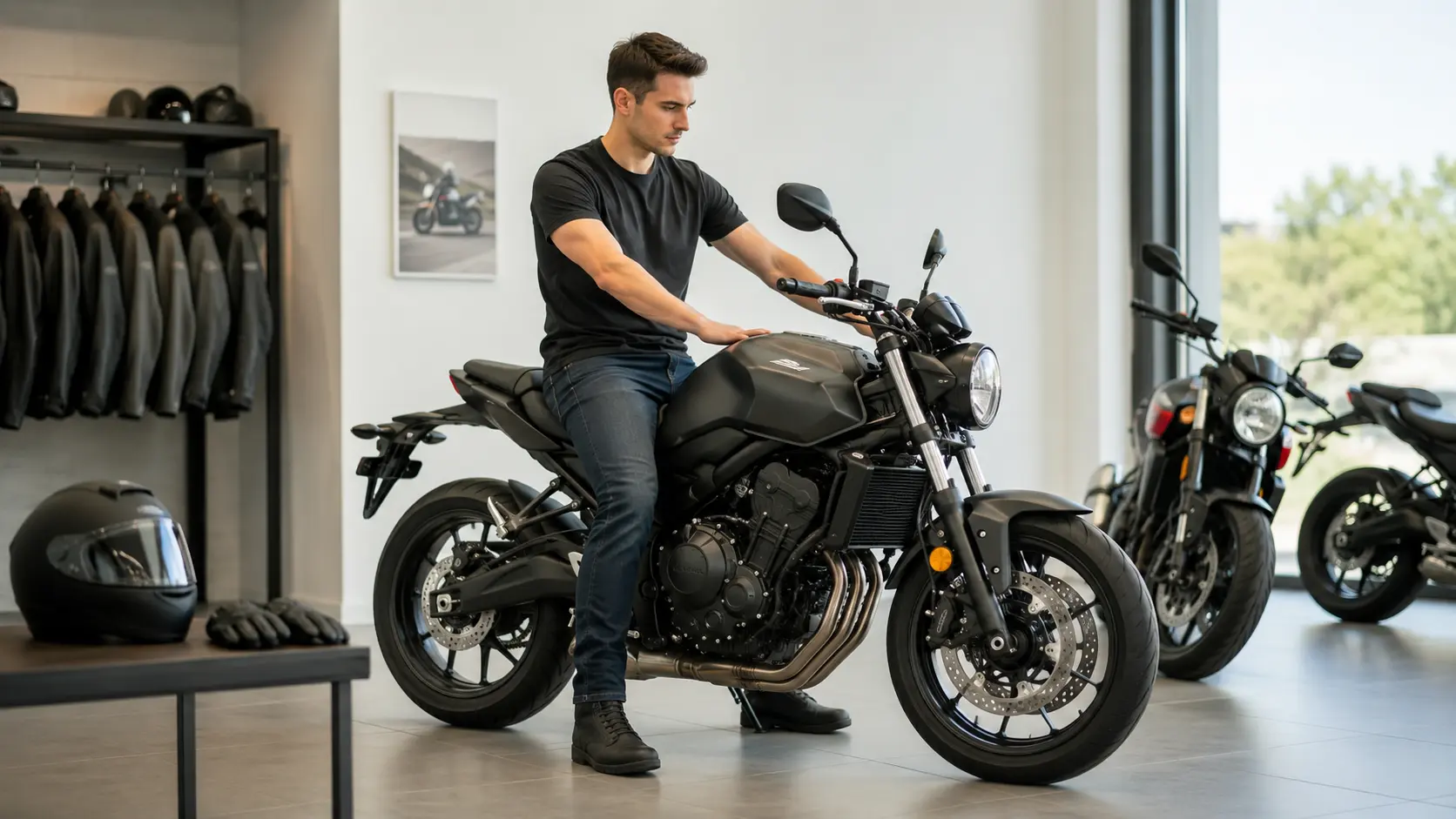
Many riders feel more confident when they can place at least the balls of both feet on the ground. Full flat-footing is not always necessary, but confidence at stops matters a lot. A bike that feels too tall can create tension, especially in traffic or on uneven surfaces.
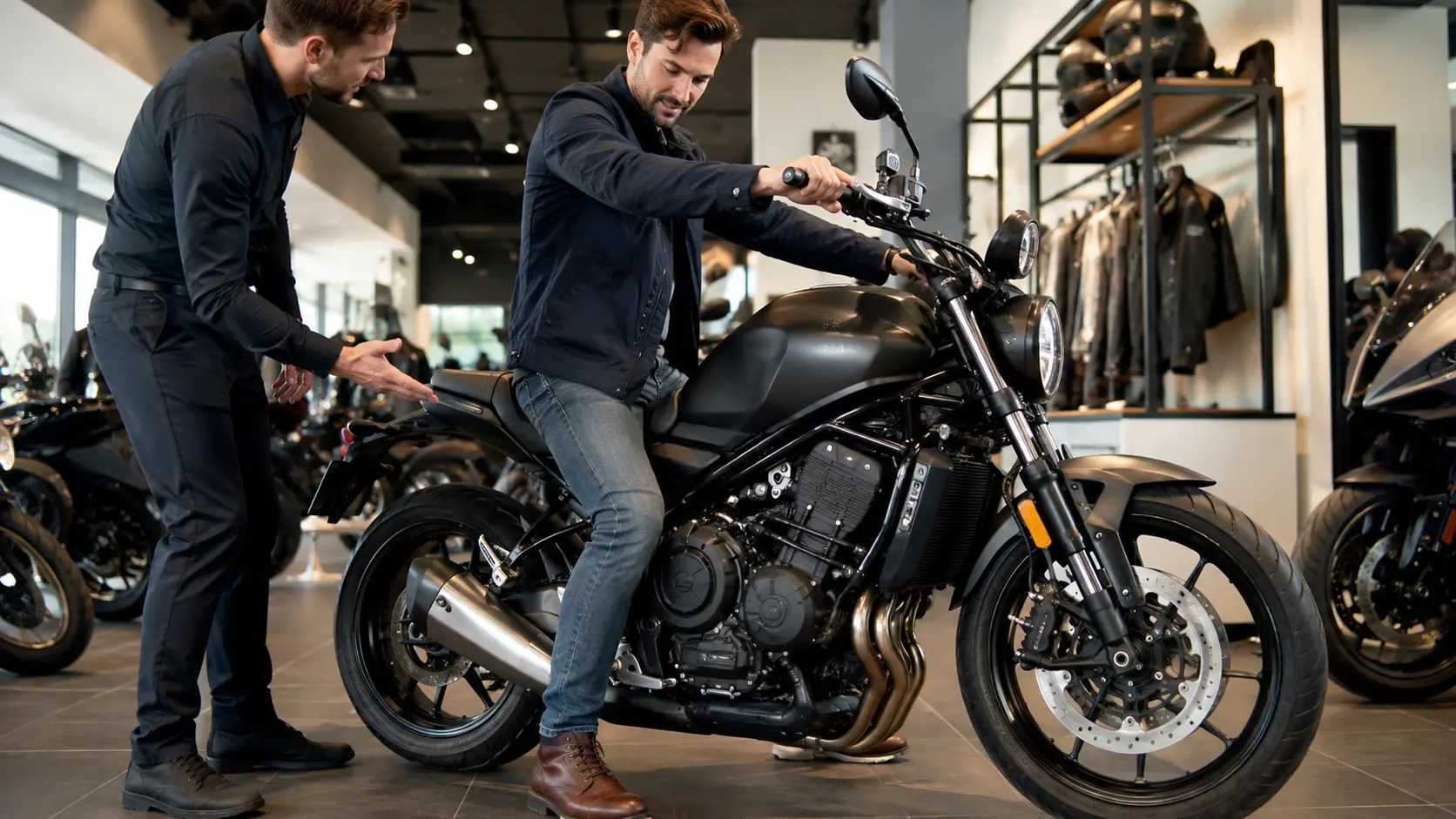
The riding position matters too. Upright positions are usually more comfortable and beginner-friendly. Forward-leaning positions can feel sporty but place more weight on wrists and shoulders. Cruiser ergonomics may feel relaxed, but very forward feet can reduce some riders sense of control. Tall adventure layouts offer visibility and space, but may challenge shorter riders.
Budget for Ownership, Not Just Purchase Price
Another common mistake is spending the entire budget on the motorcycle itself and forgetting everything else. Ownership cost matters. Sometimes the cheaper bike on the showroom floor becomes the more expensive bike over the next year.
Think about insurance, registration, helmet, riding jacket, gloves, boots, tires, fuel, maintenance, security products, luggage and possible repairs. Sport-oriented motorcycles may carry higher insurance costs. Older used motorcycles may seem affordable upfront, but can demand more maintenance. Premium brands may bring higher service costs or pricier parts.
A smart motorcycle purchase leaves room in the budget for proper gear and early maintenance. If your budget is tight, it is often wiser to buy a slightly simpler bike and keep some money in reserve.
New vs Used: Which Makes More Sense?
There is no universal answer. A new motorcycle gives you warranty coverage, a clean history and the comfort of knowing nobody else has mistreated it. Financing may be easier, and the buying experience may feel more straightforward. The downside is higher purchase price and faster depreciation.
A used motorcycle often gives better value. You may get more bike for the same money, and the first owner has already absorbed much of the depreciation. For many beginners, used bikes make excellent first motorcycles because small scratches or minor drops hurt less emotionally and financially.
However, used motorcycles require more care during the buying process. Check tires, chain, brakes, leaks, cold-start behavior, crash damage, title status, maintenance history and questionable modifications.
Think About Your First Year, Not Just Your First Ride
A motorcycle should fit the first year of ownership, not just the first test ride. Ask yourself what your routine will look like three months after buying it. Will you still feel comfortable in traffic? Will you want to take it on the highway? Will you be comfortable handling it in rain? Can you live with the seat comfort? Will you enjoy cleaning and maintaining it?
Some bikes make a great first impression but become inconvenient over time. Others seem modest at first but prove easy, enjoyable and practical day after day.
Common Mistakes Buyers Make
| Mistake | Why It Matters | Smarter Choice |
|---|---|---|
| Buying only for looks | The bike may feel uncomfortable or intimidating. | Balance style with fit and control. |
| Choosing too much power | It can slow learning and increase risk. | Start with manageable performance. |
| Ignoring weight | Low-speed handling becomes stressful. | Compare weight with seat height. |
| Skipping insurance quotes | Ownership cost may surprise you. | Quote insurance before buying. |
| Forgetting gear cost | Safety gear is part of the budget. | Reserve money for helmet, jacket, gloves and boots. |
A Practical Shortlist Method
If you are overwhelmed by choices, use a simple filtering process. First, choose your main riding style: commuting, weekend fun, touring, mixed use or off-road leaning. Then narrow by seat height comfort, manageable weight, realistic budget, insurance affordability and maintenance expectations.
After that, create a shortlist of three to five motorcycles. Compare engine size, power, wet weight, seat height, fuel range, reliability reputation, dealer support and resale value. This is where the advanced filter and comparison tool become useful.
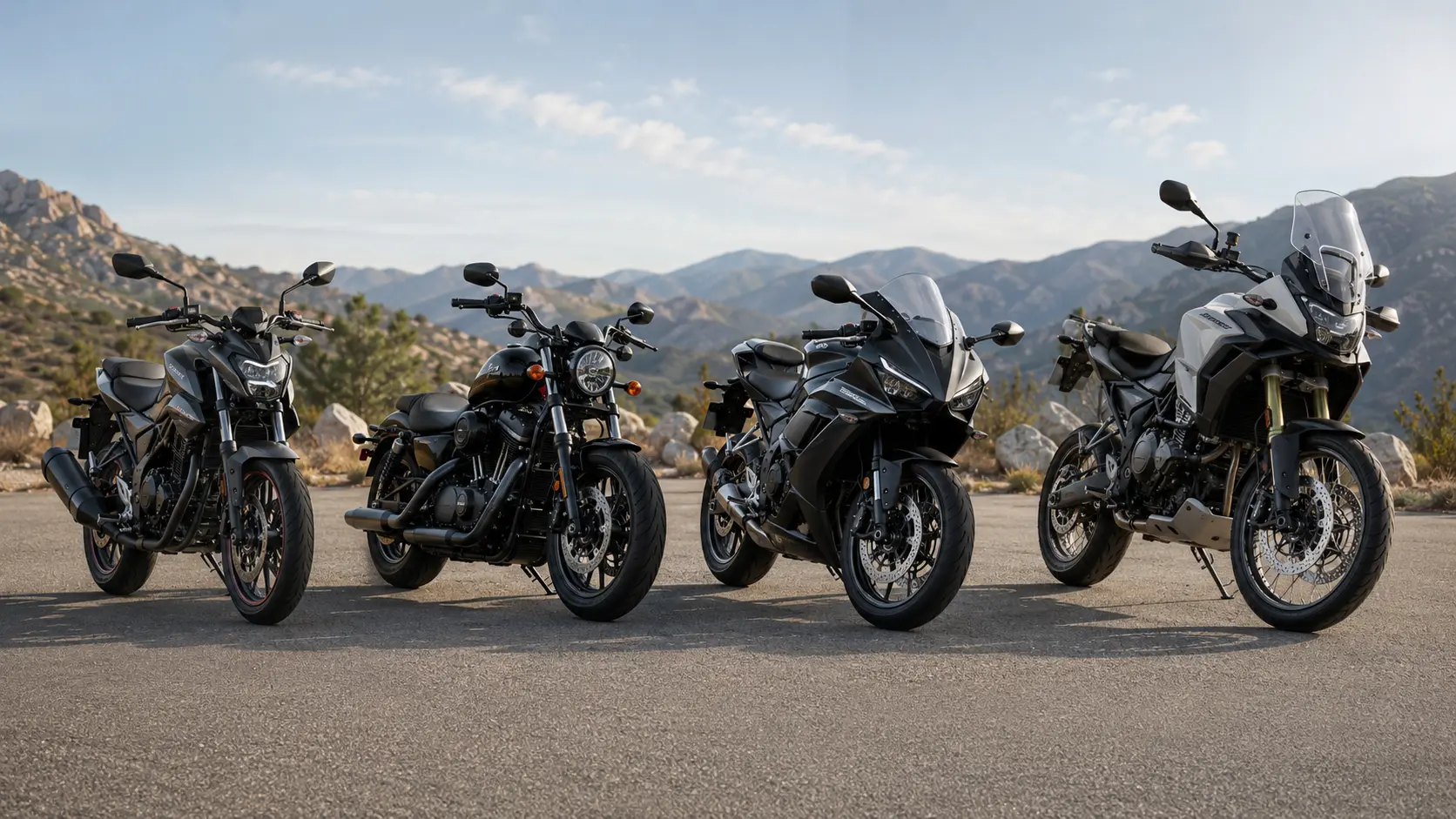
Which Motorcycle Types Usually Suit Different Riders?
Beginner riders often do well on approachable standard motorcycles, small-displacement commuters, manageable naked bikes and lighter cruisers. These bikes usually balance comfort, affordability and confidence.
City-focused riders often benefit from light, narrow motorcycles with easy steering and moderate power. Urban comfort and simplicity matter more than huge engines.
Riders who plan regular longer rides may want something with better comfort, a stronger engine and the ability to handle wind and luggage. Shorter riders should focus on lower seat height, narrow seat shape and manageable weight.
Riders wanting one bike for everything often end up looking at mid-size all-rounders, practical naked bikes and approachable adventure-style machines.
Why Test Sitting and Test Riding Matter
Spec sheets are useful, but they are not enough. The way a motorcycle feels to you is something numbers cannot fully describe. Even if you cannot test ride every option, at least sit on the bikes you are seriously considering.
Check whether you can manage the bike at a stop, whether the handlebar reach feels natural, whether the seat feels supportive, whether the bike feels top-heavy and whether you can imagine spending an hour on it without discomfort.
Safety Should Be Part of the Buying Decision
Some riders treat safety as separate from bike choice, but the two are closely connected. A motorcycle that fits you well and matches your skill level is safer because you can control it more confidently.
Safety-related buying factors include manageable power, stable braking feel, good visibility, comfortable controls, predictable handling and confidence at stops. If a bike feels like work before you even start riding, it may not be the right match.
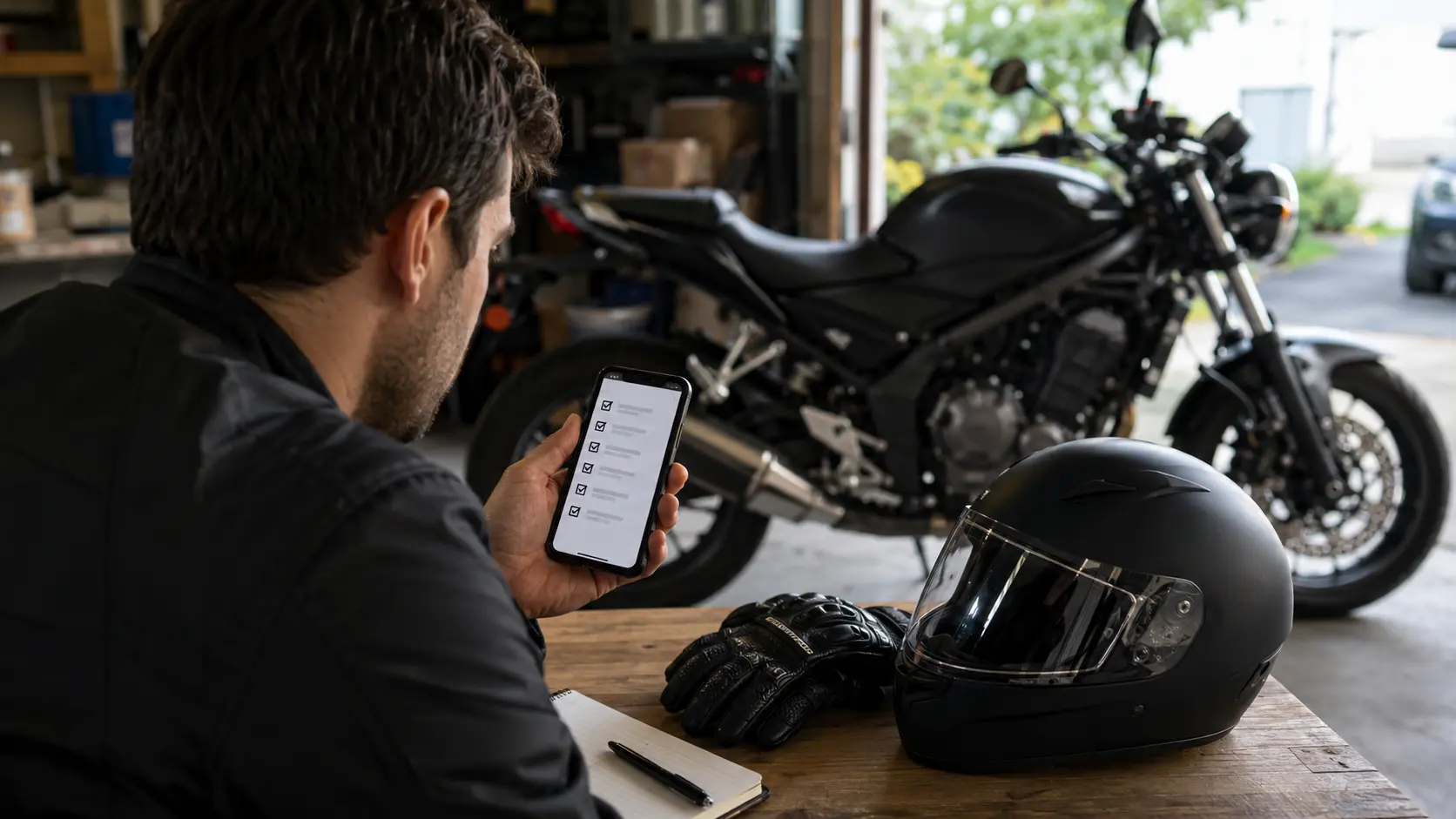
Final Advice
The right motorcycle is rarely the one with the most impressive numbers. It is the one that fits your life well enough that you actually ride it, learn on it and enjoy owning it. That might be a light standard bike, a mid-size cruiser, a practical commuter or a modest adventure model.
Choose for your real riding needs. Choose a bike that fits your body. Choose a level of performance you can use confidently. Choose a budget that includes ownership costs. Choose the motorcycle that builds skill, not just excitement.
Motorcycling becomes much more rewarding when the bike feels like a partner rather than a challenge you are constantly trying to survive. If you take the time to choose carefully, your first or next motorcycle can be a machine that keeps you riding happily for years.
FAQ
What is the best motorcycle for a beginner?
There is no single best motorcycle for every beginner. The best choice has manageable power, reasonable weight, comfortable ergonomics and a price that leaves room for gear, insurance and maintenance.
Is a 600cc motorcycle too much for a beginner?
It depends on the type of motorcycle. Some middleweight motorcycles are calm and beginner-friendly, while many 600cc sport bikes are much more demanding. Displacement alone does not tell the full story.
Should I buy a new or used first motorcycle?
Many beginners do very well with a used motorcycle because it often offers better value and lower financial stress. A new motorcycle can also work if you want warranty coverage and a simpler buying process.
Does seat height matter a lot?
Yes. Seat height and general ergonomics play a major role in comfort and confidence, especially for new riders. A bike that feels too tall or awkward can make low-speed riding stressful.
Is a heavier motorcycle always harder to ride?
Not always at speed, but heavy motorcycles are usually more demanding at low speed, in parking lots and during slow turns or stops. For many beginners, manageable weight makes learning easier.
What matters more: horsepower or comfort?
For most everyday riders, comfort and control matter more. A motorcycle that fits you well and feels easy to ride will usually be more enjoyable than a more powerful bike that feels uncomfortable or intimidating.