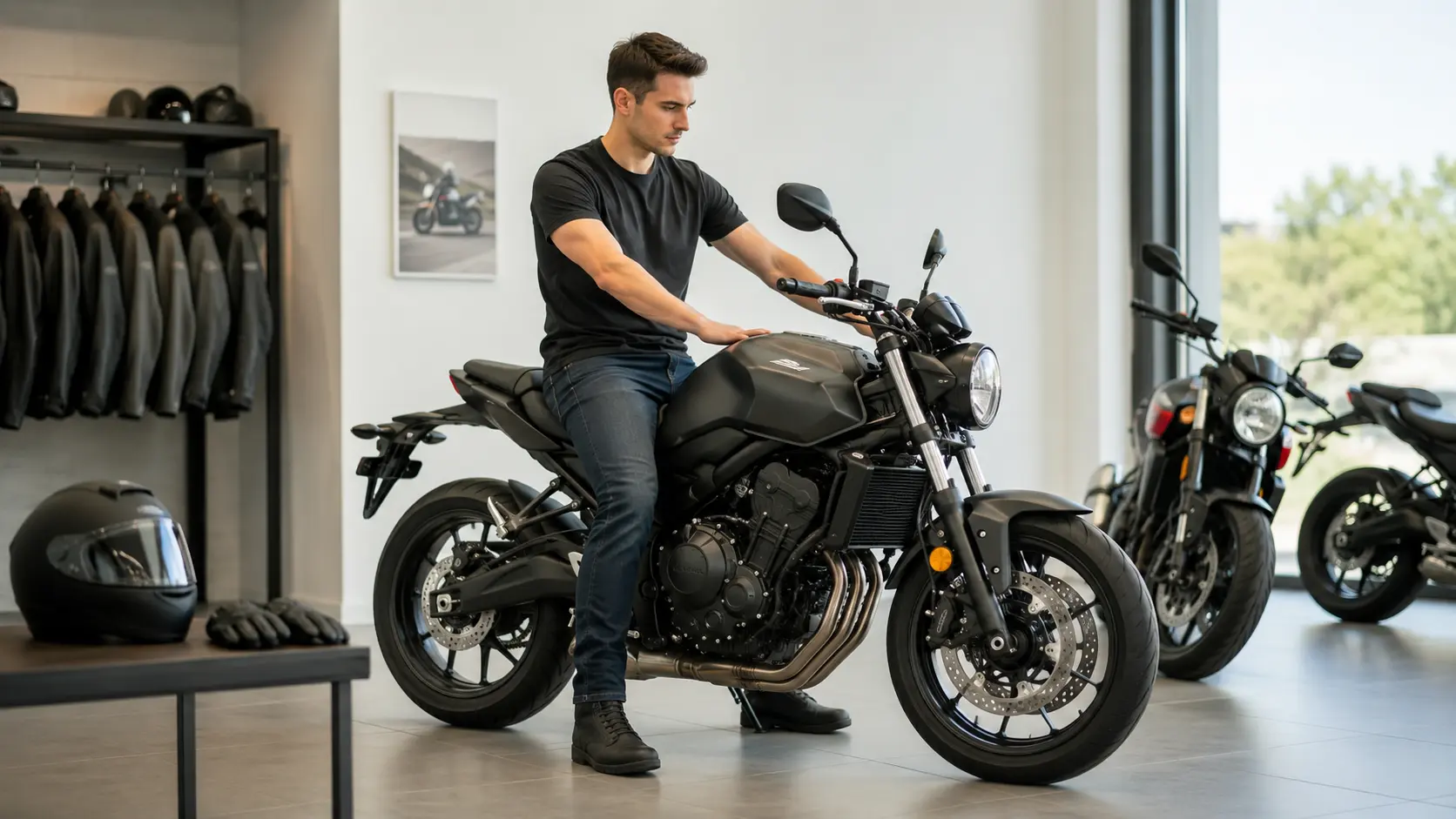
2015 Honda CTX700N vs Kawasaki Vulcan S Comparison
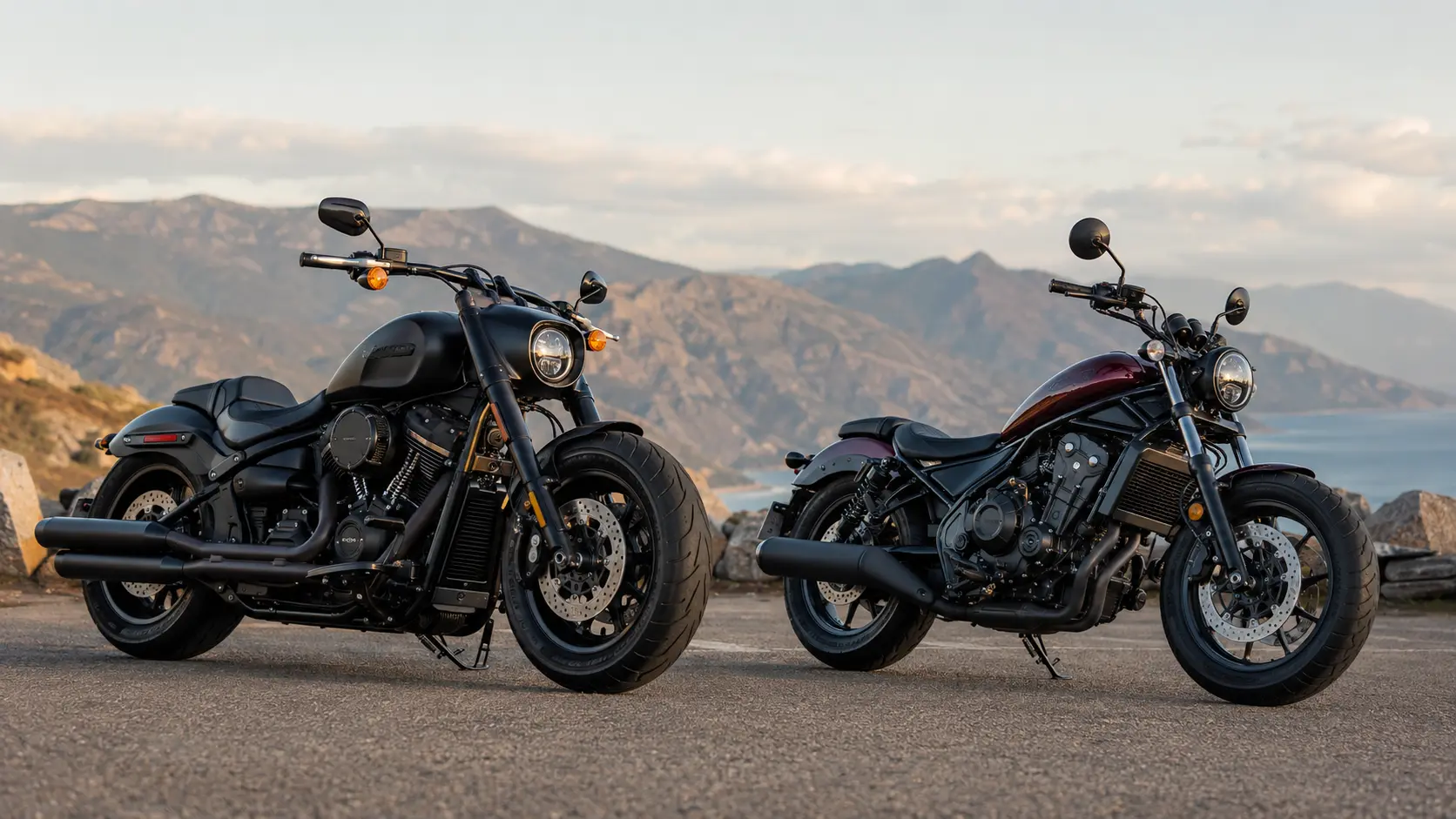
When Kawasaki launched the Vulcan S in 2015, they made a bold claim: this was the most adjustable middleweight cruiser ever built. When Honda countered with the CTX700N, they offered something different entirely: a low, practical motorcycle that blurred the line between cruiser, commuter and standard bike. Comparing these two machines is useful because they appeal to many of the same riders, especially newer motorcyclists, returning riders and commuters who want cruiser comfort without the size or weight of a traditional heavyweight cruiser.
The short version is simple: the Honda CTX700N is the calmer and easier motorcycle, while the Kawasaki Vulcan S is the livelier and more adjustable one. Both use parallel-twin engines, both sit in the middleweight cruiser category, and both make far more sense for everyday riding than many larger cruisers. But they reach that goal in very different ways.
Quick Verdict: Which Bike Should You Choose?
Choose the Honda CTX700N if you want a relaxed, low-stress motorcycle for commuting, weekend rides and easy everyday use. Its 670cc parallel twin is tuned for smooth low-end torque rather than excitement, and the available CTX700N DCT ABS version makes it especially friendly for riders who do not want to manage a clutch in traffic.
Choose the Kawasaki Vulcan S if you want a motorcycle that still feels beginner-friendly but has more engine character, better adjustability and a more traditional cruiser look. The Vulcan S uses a 649cc parallel twin related to Kawasaki’s sportier middleweight platform, so it feels more energetic when revved and more engaging on open roads.
Honda CTX700N vs Kawasaki Vulcan S Specs Comparison
| Category | Honda CTX700N | Kawasaki Vulcan S |
|---|---|---|
| Engine | 670cc parallel twin | 649cc parallel twin |
| Power character | Smooth, low-rev, torque-focused | Revvier, stronger top-end feel |
| Riding style | Relaxed commuter / cruiser-standard mix | Sportier middleweight cruiser |
| Transmission highlight | Manual or optional DCT depending on version | Conventional manual gearbox |
| Best for | Commuters, shorter rides, low-stress ownership | Riders who want adjustability and more personality |
| Useful internal spec page | Honda CTX700N specs | Kawasaki Vulcan S specs |
Design and First Impressions
Stand the two bikes side by side and the difference in approach is obvious. The CTX700N wears its unconventional styling with confidence. Honda gave it a low, wide stance, a stepped seat and bodywork that references cruiser DNA without fully committing to the classic cruiser formula. It looks different from most motorcycles in this class, which is either a strength or a weakness depending on personal taste. Some riders find it fresh and practical. Others find it awkward. Very few feel neutral about it.
The Vulcan S takes a more familiar approach to cruiser styling while adding some modern thinking underneath. The low profile, stretched proportions and blacked-out engine cases all communicate “cruiser” clearly. But the bike’s real advantage is not just the look. Kawasaki’s Ergo-Fit idea means the riding position can be adjusted with different handlebar, seat and footpeg combinations, making the Vulcan S unusually flexible for riders of different heights.
Engine and Performance
Honda equipped the CTX700N with a 670cc parallel twin that prioritizes smoothness, fuel economy and accessibility over outright excitement. The engine pulls cleanly from low revs and delivers power in a predictable way. That makes the bike easy to ride in traffic, easy to manage at slower speeds and forgiving if the rider chooses the wrong gear. Peak output is modest, but the delivery suits the bike’s purpose.
Kawasaki took a different route with the Vulcan S. Its 649cc parallel twin has more character and rewards riders who use the rev range. It generally feels stronger when accelerating onto highways or riding more aggressively on back roads. The trade-off is that it asks for more involvement from the rider. The Vulcan S is not difficult, but it feels more active and less automatic in its behavior than the Honda.
Which engine feels better in daily use?
For relaxed commuting, the Honda engine is easier to live with. It does not need frequent shifting, and it feels calm even when the rider is tired or stuck in traffic. For riders who want more response when they twist the throttle, the Kawasaki engine is more entertaining. The Vulcan S feels like it has more personality, especially above city speeds.
Handling and Ride Quality
Neither motorcycle was designed as a sport bike, but both handle normal road use well. The CTX700N is surprisingly easy to steer for a low-slung motorcycle. Its cruiser-standard layout gives it more everyday practicality than the styling first suggests. It feels stable, friendly and predictable, which is exactly what many newer riders want.
The Vulcan S feels slightly more cruiser-like in its chassis behavior, but it is still more agile than many traditional cruisers. The longer wheelbase gives it stability on the highway, while the relatively compact engine and middleweight size keep it manageable in town. The adjustable footpeg positions can also change the feel of the bike: a more forward position feels cruiser-like, while a middle position gives the rider more control.
Comfort and Ergonomics
This is where the Kawasaki makes one of its strongest arguments. The Vulcan S can be adapted to a wider range of riders than most motorcycles in its class. Shorter riders, taller riders and riders with different reach preferences can all be better accommodated than they would be on a fixed-position cruiser.
The CTX700N is comfortable too, especially for average-sized riders who want a low seat and relaxed posture. Its seat gives the rider a planted feeling, and the bike works well for commuting and medium-distance rides. But riders at the extremes of height may find the Kawasaki easier to tailor.
Technology and Features
The Honda’s most important feature is the optional dual-clutch transmission. For some riders, DCT is a major selling point because it removes clutch work in traffic and makes the bike feel extremely approachable. It is especially useful for commuters, riders with hand fatigue, or anyone who simply prefers a smoother automatic-style experience.
The Kawasaki does not offer DCT, but it counters with a more conventional and engaging riding experience. ABS-equipped versions such as the Kawasaki Vulcan S ABS are especially worth considering on the used market because ABS adds real safety value for newer riders and commuters.
Which One Is Better for Beginners?
The Honda CTX700N is the easier beginner bike if the rider wants calm power delivery, a low seat feel and minimal drama. It is forgiving, predictable and comfortable at normal speeds. The DCT version makes it even easier because the rider can focus more on road awareness, braking and cornering rather than clutch control.
The Kawasaki Vulcan S is also beginner-friendly, but it is better for riders who want to grow into the bike. It has more performance potential and a livelier engine, so it may stay interesting longer. The Ergo-Fit system also makes it a strong choice for riders who struggle to fit comfortably on standard motorcycles.
Which One Is Better for Commuting?
For stop-and-go traffic, the Honda CTX700N has the advantage. The relaxed engine, comfortable riding position and optional DCT make it one of the easiest middleweight motorcycles to use every day. It is not the most exciting choice, but that is part of its appeal: it simply does the job without demanding much from the rider.
The Vulcan S is still a good commuter, especially for riders who also want weekend fun. It has enough power for highway riding, good stability and a manageable size. But in heavy traffic, the Honda feels less busy and more relaxed.
Used Buyer Checklist
If you are shopping for either motorcycle used, condition matters more than small spec differences. Look for complete service history, clean title status, healthy tires, smooth clutch action on manual models, no signs of crash damage and no warning lights. On CTX700N DCT models, confirm the transmission shifts smoothly in both automatic and manual modes. On Vulcan S models, check that any ergonomic parts match your height and riding position.
- Check the tires: old or squared-off tires can make either bike feel worse than it really is.
- Inspect the chain and sprockets: poor maintenance is easy to spot and can hint at overall neglect.
- Test the brakes: ABS-equipped versions are preferable for commuting and newer riders.
- Confirm fit: sit on the bike long enough to judge reach to the bars and pegs.
- Compare insurance: quotes can vary by location, rider age and exact trim.
Value and Running Costs
Both motorcycles are sensible ownership choices compared with larger cruisers. Fuel economy is generally good, tires are not oversized, and maintenance is straightforward. The Honda may appeal more to riders who want long-term reliability and low-effort riding. The Kawasaki may appeal more to riders who want a bike that feels more modern and expressive without becoming intimidating.
Used pricing depends heavily on mileage, condition, ABS, accessories and local market demand. A clean ABS-equipped Vulcan S or a clean CTX700N DCT ABS will usually be more desirable than a neglected base model with missing history.
FAQ
Is the Honda CTX700N better than the Kawasaki Vulcan S?
It depends on the rider. The CTX700N is better for relaxed commuting and easy daily riding, while the Vulcan S is better for riders who want more engine character and adjustable ergonomics.
Is the Kawasaki Vulcan S good for beginners?
Yes. The Vulcan S is one of the more beginner-friendly middleweight cruisers because it is manageable, adjustable and not as heavy as many traditional cruisers. It still has enough power that new riders should treat it with respect.
Is the Honda CTX700N DCT worth buying?
The DCT version is worth considering if you ride in traffic often or prefer not to use a clutch. It makes the CTX700N feel extremely easy and relaxed, especially for commuting.
Which bike is better for taller riders?
The Kawasaki Vulcan S is usually the better choice for taller riders because its Ergo-Fit system allows more adjustment in the riding position. The Honda can still work, but it is less customizable.
Which bike is better for highway riding?
The Vulcan S feels stronger when accelerating and passing at highway speeds, while the CTX700N feels calmer and more relaxed. Riders who value performance may prefer the Kawasaki; riders who value smoothness may prefer the Honda.
Final Verdict
Choose the Honda CTX700N if you prioritize effortless riding, commuter comfort and the option of DCT. It is not the flashiest middleweight motorcycle, but it is one of the easiest to live with. Choose the Kawasaki Vulcan S if you want a more traditional cruiser look, stronger engine personality and better ergonomic adjustability. Both are smart middleweight choices, but they serve slightly different riders: the Honda is the calm practical option, and the Kawasaki is the more engaging and adaptable one.