Buying a Used Motorcycle: Practical Tips for Beginners
Buying a used motorcycle can be a smart move, especially for a beginner. You can save money, avoid the steepest depreciation, and often find a bike that already has useful accessories. But a used motorcycle can also hide expensive problems. A shiny tank and a loud exhaust do not tell you whether the tires are old, the forks are leaking, the title is clean, or the previous owner skipped maintenance.
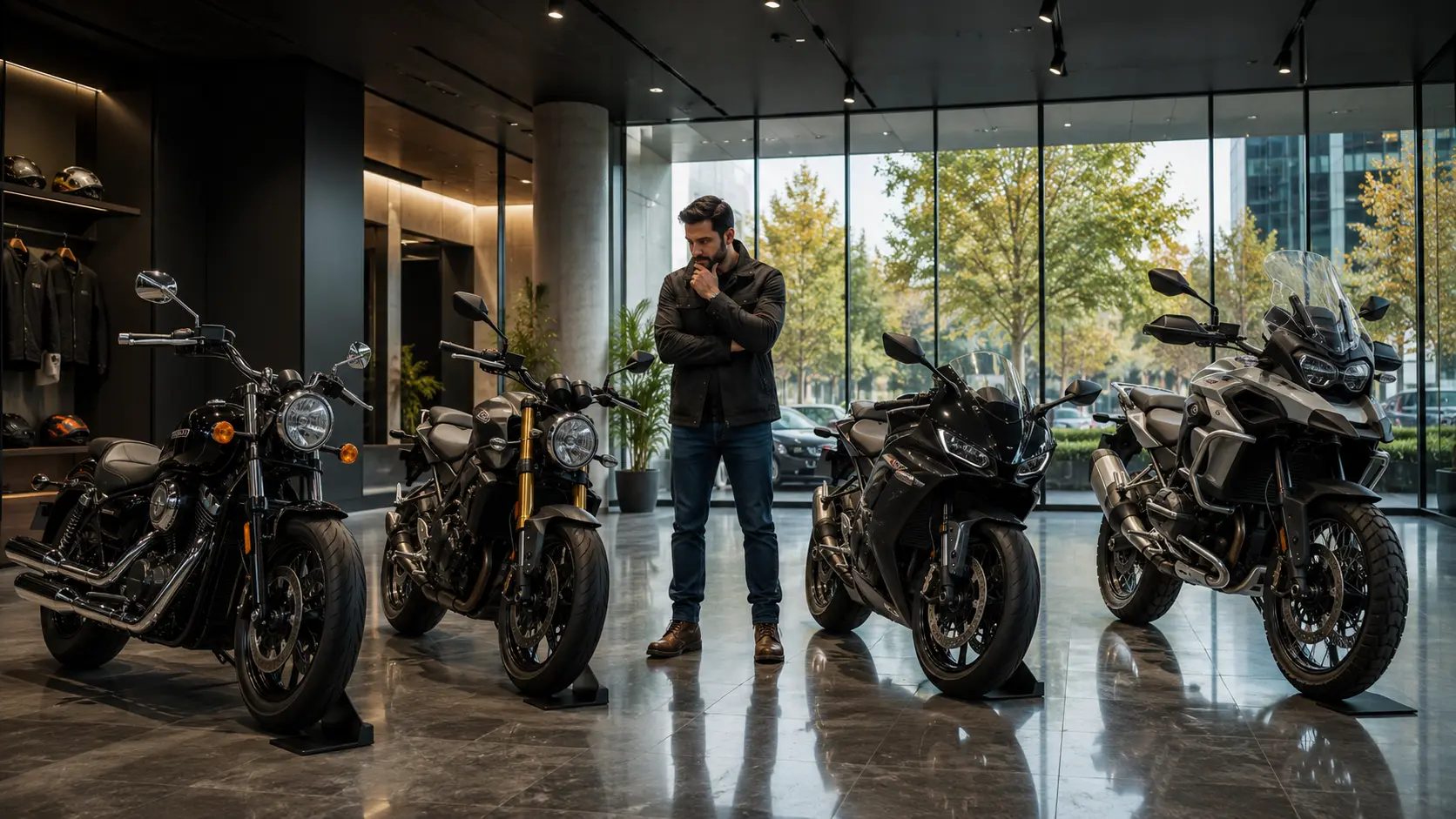
The goal is not to become a professional mechanic overnight. The goal is to slow down, inspect the bike carefully, ask better questions, and know when to walk away. A beginner does not need a perfect motorcycle, but they do need a safe, honest one. Before comparing models, it also helps to use the MotoLibrary motorcycle specs database and the motorcycle comparison tool so you know what the bike is supposed to be.
Start With the Right Mindset
The worst way to buy a used motorcycle is with excitement doing all the thinking. Sellers know when a buyer is already emotionally sold. If you show up convinced that this is “the one,” you may ignore problems that would be obvious if you were calmer.
Go into the process assuming there will always be another bike. That single mindset protects you from rushed decisions. A good used motorcycle should survive basic inspection, clear questions, and a little patience from the buyer.
Used Motorcycle Buying Checklist
| Area | What to Check | Why It Matters |
|---|---|---|
| Title and VIN | VIN on bike, title status, seller name. | Paperwork problems can be worse than mechanical problems. |
| Tires | Tread, cracks, flat spots, date codes. | Old tires can be unsafe even with good tread. |
| Brakes | Pad life, lever feel, rotor condition, fluid color. | Brake repairs affect safety immediately. |
| Leaks | Forks, engine, coolant, brake lines. | Leaks can point to neglected maintenance. |
| Cold start | How it starts before being warmed up. | A warm engine can hide problems. |
| Modifications | Exhaust, wiring, lights, tune, bars. | Poor modifications create future headaches. |
Check the Paperwork Before Falling in Love
Look at the title early. Make sure the VIN on the motorcycle matches the title. Make sure the seller’s name matches the paperwork, or that they have a clear legal reason for selling it. Be careful with “lost title,” “bill of sale only,” or stories that sound complicated. A cheap motorcycle with messy paperwork can become impossible to register.
Also ask whether there is a loan or lien. If money is still owed, the sale may require extra steps. Do not hand over cash based only on trust when the title is not clear.
Look at the Bike Before Listening to the Story
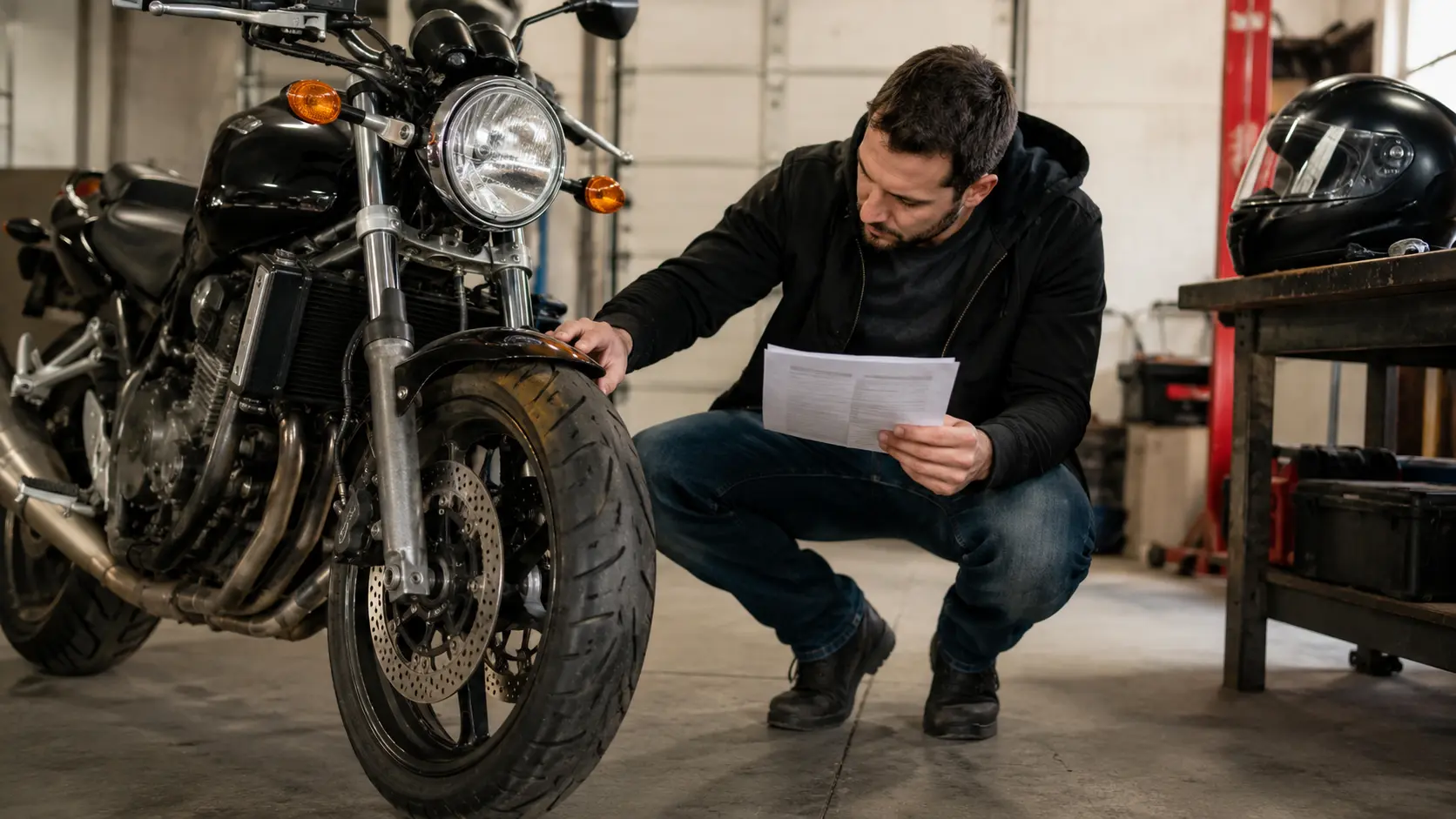
Sellers often have a story: “It just needs a battery,” “It ran great last season,” “The tires are fine,” “The previous owner did that.” Listen politely, but inspect the motorcycle yourself. The bike tells its own story.
Look for mismatched fairings, scraped engine covers, bent levers, damaged bar ends, fresh paint in odd places, zip-tied wiring, missing bolts, and signs that the bike was dropped. A small tip-over is not always a dealbreaker, but hidden crash damage is.
Tires Tell You More Than You Think
Beginners often check tread and stop there. Tire age matters too. A tire can have plenty of tread and still be too old, hard, or cracked. Look for date codes on the sidewall. If the tires are old, include replacement cost in your budget immediately.
Also look at wear shape. A squared-off rear tire may mean lots of highway miles. Uneven wear can hint at pressure neglect, suspension issues, or riding habits.
Cold Start Matters
If possible, ask the seller not to warm the bike before you arrive. A cold start can reveal weak batteries, rough idle, smoke, fuel issues, or starting problems. A bike that only sounds good after it has been warmed up for ten minutes deserves more questions.
When it starts, listen. Does it crank strongly? Does it idle smoothly? Are there warning lights? Do you smell fuel? Does the exhaust smoke heavily? Do not ignore your senses.
Modifications Can Be Good or Bad
Many used motorcycles have aftermarket parts. Some are fine. A better seat, luggage, crash protection, or quality suspension work can add value. But poor electrical work, cheap lighting, loud exhausts without proper tuning, cut frames, or strange homemade fixes can create problems.
Ask whether the original parts are included. Ask who installed the modifications. If the seller cannot explain what was changed, be cautious.
Should a Beginner Test Ride?
Test rides are tricky. Some sellers will not allow them without cash in hand. Some beginners are not comfortable enough to evaluate the motorcycle safely. If you do test ride, keep it short and calm. Check clutch engagement, braking, straight-line tracking, shifting, throttle response, and whether the bike feels stable.
If you are not comfortable test riding, bring an experienced rider or mechanic. Paying for a pre-purchase inspection can be cheaper than buying someone else’s problem.
Budget Beyond the Purchase Price
A used motorcycle often needs money right away. Tires, battery, oil, brake fluid, chain, sprockets, insurance, registration, and gear can add up quickly. A bike listed for less money may not be the cheaper bike if it needs all of those things immediately.
Before buying, estimate the first 30 days of ownership. If the motorcycle needs tires and a battery, include that in your offer or walk away.
Questions to Ask the Seller
- How long have you owned it?
- Why are you selling it?
- Do you have service records?
- Has it been dropped or crashed?
- Are there any liens on the title?
- What modifications were done?
- When were the tires and battery replaced?
- Does anything need attention right now?
Red Flags That Should Slow You Down
Walk away or slow down if the seller rushes you, refuses basic questions, has no title, gives inconsistent answers, will not let you inspect the bike, or says “easy fix” too often. If the fix is easy, ask why it has not been done.
Also be careful with extremely cheap prices. Sometimes they are real deals, but often they hide paperwork, mechanical, or crash-history problems.
FAQ
Is buying a used motorcycle good for beginners?
Yes, if the motorcycle is safe, manageable, and properly inspected. Used bikes can be a good value for new riders.
Should I bring a mechanic?
If you are unsure, yes. A pre-purchase inspection can save money and prevent a bad purchase.
What is the biggest red flag?
Bad paperwork is one of the biggest red flags. A bike with no clear title can be a serious problem.
How old is too old for motorcycle tires?
Age matters even if tread looks good. Check date codes and replace tires that are old, cracked, or hardened.
Where can I compare used motorcycles?
Use the MotoLibrary specs database and comparison tool to compare models before you inspect one.
Final Advice
A good used motorcycle should make you feel confident, not pressured. Check the paperwork, inspect the bike cold, ask direct questions, and budget for immediate maintenance. The best deal is not the cheapest listing. It is the motorcycle that is honest, safe, and right for your skill level.