Motorcycle vs Car: Advantages and Disadvantages
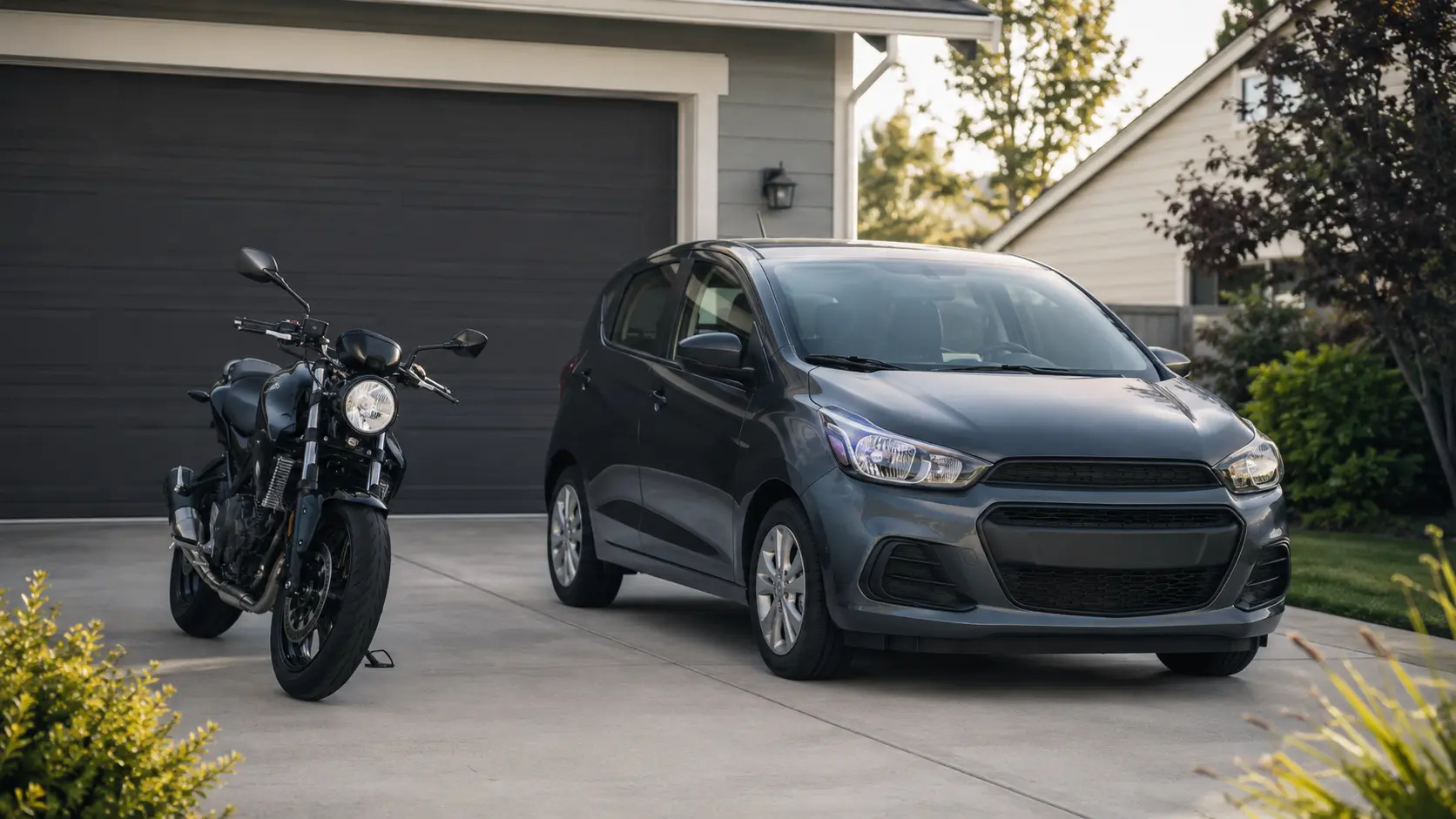
Comparing a motorcycle with a car sounds simple at first. Motorcycles are smaller, usually cheaper to buy, easier to park and more fun on the right road. Cars are more comfortable, safer in bad weather, easier for passengers and more practical for daily life. But the real answer depends on where you live, how you commute, how much you carry, what the weather is like and how honest you are about risk.
A motorcycle is rarely a perfect replacement for a car for every rider. For some people, it becomes a smart second vehicle. For others, it can work as a main vehicle if their lifestyle is simple and the climate is friendly. The mistake is treating a motorcycle only as a cheaper car. It is not. It is a different way to travel, with different advantages and different responsibilities.
Start With the Real Question
The question is not simply “Is a motorcycle better than a car?” The better question is: better for what? Better for commuting through traffic? Better for saving money? Better for weekend enjoyment? Better for carrying groceries, passengers or work equipment? The answer changes depending on the job.
If you only need to move yourself across town, a motorcycle can make a lot of sense. If you need to carry children, tools, luggage or passengers regularly, a car is far more practical. A motorcycle can be efficient, but it asks the rider to accept more exposure to weather, traffic risk and storage limits.
Motorcycle vs Car Overview
| Category | Motorcycle Advantage | Car Advantage |
|---|---|---|
| Purchase cost | Many motorcycles cost less to buy than cars. | Cars offer more utility for families and cargo. |
| Parking | Motorcycles need less space and are easier to park. | Cars are more secure and weather-protected. |
| Fuel use | Many motorcycles are fuel-efficient. | Some small cars are also efficient and more comfortable. |
| Safety | Rider skill and gear matter heavily. | Cars provide a protective structure, airbags and stability. |
| Weather | Good in pleasant weather. | Far better in rain, cold, heat and storms. |
| Enjoyment | Motorcycles often feel more engaging and fun. | Cars are calmer and easier for routine travel. |
Purchase Price: Motorcycles Often Win
Motorcycles often cost less to buy than cars, especially on the used market. A clean used motorcycle can be far cheaper than a reliable used car. That lower purchase price is one of the biggest reasons people consider riding instead of driving.
But purchase price is not the whole cost. A motorcycle still needs insurance, registration, tires, maintenance, riding gear, storage, security and sometimes special tools. If you buy a cheap used motorcycle that immediately needs tires, a battery, chain, brake work and gear, the first month can cost more than expected.
Fuel Economy: Usually Good, But Not the Whole Story
Many motorcycles use less fuel than cars. For commuting, that can help. Smaller motorcycles and scooters can be especially efficient. But fuel savings should not be exaggerated. Some performance motorcycles do not deliver the kind of fuel economy people expect, especially when ridden hard.
Also, fuel is only one part of ownership. Tires can wear faster than car tires, and motorcycle tires may cost more per mile than beginners expect. If the bike uses premium fuel, expensive tires or frequent service, the savings can shrink.
Parking and City Use
In crowded areas, motorcycles can be easier to park. They take less space, fit into tighter spots and can make short city trips feel simpler. For riders who live in dense cities, this is a real advantage.
The downside is security. A motorcycle is easier to steal, easier to damage and more exposed to weather. If you park outside, you need to think about locks, covers, alarms and possibly a GPS tracker. For security research, the motorcycle alarm systems guide is a useful next read.
Safety: The Biggest Difference
This is where the car has the clearest advantage. A car surrounds you with a structure, airbags, seat belts and crash zones. A motorcycle does not. On a motorcycle, your awareness, gear, lane position and braking skill matter much more because there is less physical protection.
This does not mean motorcycles are automatically reckless. It means the rider must take risk seriously. Good gear, training, defensive riding and smart route choices are not optional extras. They are part of the cost of riding.
Weather and Comfort
A car is simply better in bad weather. Rain, cold, heat, wind and storms are easier to handle with a roof, heater, air conditioning and windshield wipers. On a motorcycle, the weather is personal. A light rain can become a visibility problem. Cold hands can become a control problem. Heat can become fatigue.
If you live somewhere with mild weather, using a motorcycle more often is easier. If you live somewhere with long winters, heavy rain or extreme heat, a motorcycle-only lifestyle becomes harder.
Cargo and Passenger Practicality
Cars win easily for cargo and passengers. Groceries, luggage, tools, pets, children and multiple passengers are normal car tasks. A motorcycle can carry some luggage with panniers, a tail bag or a backpack, but there are limits.
Two-up riding is possible on many motorcycles, but it changes handling and comfort. The passenger also needs proper gear. If your daily life includes carrying people or bulky items, a motorcycle may be better as a second vehicle than a replacement.
Maintenance: Simple, But More Exposed
Motorcycles are often mechanically simpler than cars, but they require more frequent attention from the owner. Chain maintenance, tire pressure, brake feel, battery health and fluid checks matter. Small issues can affect safety quickly.
A car with slightly low tire pressure may feel dull. A motorcycle with poor tire pressure can feel unstable. A neglected chain can become dangerous. Riders need to be more involved with the machine.
Insurance and Total Ownership Cost
Motorcycle insurance can be cheaper than car insurance, but not always. A new rider on a sport bike may receive a surprisingly high quote. Theft risk, location, age, riding history and coverage level all matter. Before buying, read the motorcycle insurance cost guide and get real quotes.
The total cost should include gear, tires, maintenance, security and storage. A motorcycle can save money, but only if the specific bike and your lifestyle support that.
The Lifestyle Advantage
This is where motorcycles shine. Riding can make normal travel feel special. A short commute can become enjoyable. A weekend road can feel like a break from routine. For many riders, the motorcycle is not just transportation; it is a reason to leave the house.
That emotional value matters. Cars are practical, but motorcycles can be deeply satisfying in a way that is hard to measure with a calculator. Just do not let emotion hide the practical downsides.
When a Motorcycle Makes More Sense Than a Car
- You mostly travel alone.
- You live where the weather allows regular riding.
- You have safe parking or security options.
- Your commute is short or traffic-heavy.
- You enjoy riding enough to accept the inconvenience.
- You can afford proper gear and maintenance.
- You do not need to carry much cargo.
When a Car Still Makes More Sense
- You carry passengers or family regularly.
- You need cargo space for work or errands.
- You face harsh weather often.
- You want maximum crash protection.
- You need relaxed transportation every day.
- You do not want to manage gear, security and weather planning.
Should a Beginner Choose a Motorcycle Instead of a Car?
A beginner can use a motorcycle for transportation, but it should be done with realistic expectations. Training, gear and the right motorcycle matter. A small, predictable motorcycle is better than an intimidating one. If you are still choosing, use the MotoLibrary recommendation tool, then compare models with the comparison tool.
For most beginners, a motorcycle is easier to justify as a second vehicle first. Once riding becomes normal and safe habits are built, it becomes clearer whether motorcycle-first transportation actually fits your life.
FAQ
Is a motorcycle cheaper than a car?
Often the purchase price is lower, but total cost depends on insurance, gear, tires, maintenance, storage and the specific motorcycle.
Can a motorcycle replace a car?
For some riders, yes. For riders who need cargo space, passenger comfort or bad-weather practicality, a car is still better.
Is motorcycle commuting worth it?
It can be, especially in good weather and dense traffic. But riders need proper gear, security and safety habits.
Is a motorcycle a good investment?
Usually it is better to think of a motorcycle as transportation and lifestyle, not a financial investment. Most vehicles cost money over time.
Where can I compare motorcycles before buying?
Use the MotoLibrary specs database, comparison tool and recommendation tool.
Final Take
A motorcycle can be cheaper, easier to park and far more enjoyable than a car. A car is safer, more practical and more comfortable in bad weather. The best choice depends on your life, not just the price tag. If you ride mostly alone, have good weather, safe parking and the discipline to wear gear, a motorcycle can make a lot of sense. If you need everyday comfort, cargo and protection, a car still wins. The smartest answer may be using each one for what it does best.