How to Choose the Best Motorcycle Type for Your Riding Style
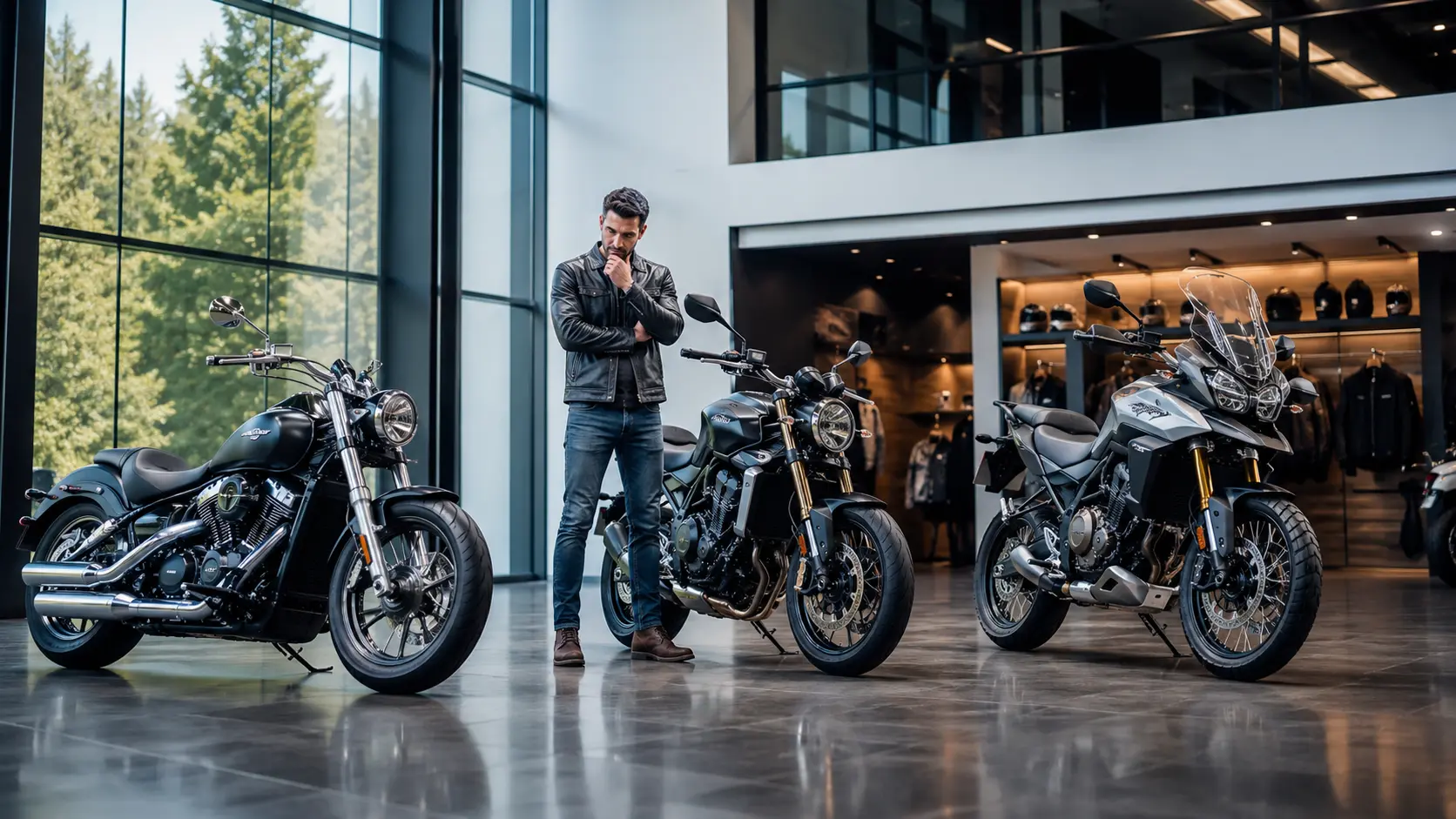
Choosing the right motorcycle sounds simple until you start looking. There are cruisers, sport bikes, naked bikes, touring bikes, adventure bikes, scooters, dual-sports, retro standards, and beginner models in every shape. Every one of them has fans telling you it is the obvious choice. The problem is that the right motorcycle for someone else can be the wrong motorcycle for you.
The best bike is not always the fastest, biggest, newest, or most beautiful one. The best bike is the one that fits your body, your roads, your budget, and your actual riding life. A motorcycle should make you want to ride more, not make you nervous every time you stop at a gas station.
Start With How You Will Really Ride
Before looking at brands, start with your normal week. Will you commute? Ride weekends? Take long trips? Carry a passenger? Ride in city traffic? Park outside? Use highways? These answers matter more than horsepower.
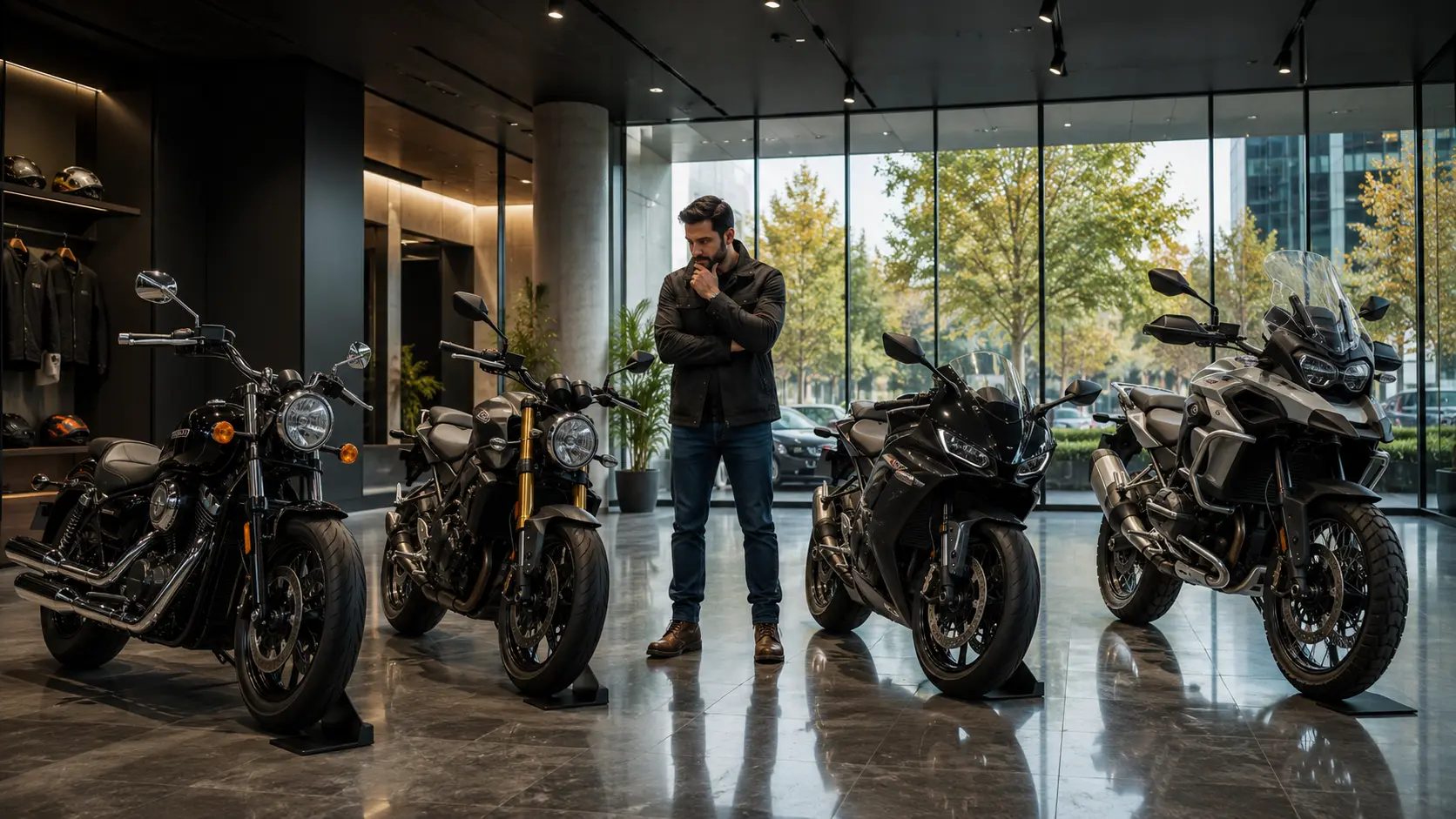
A sport bike may look exciting, but it may be uncomfortable in traffic. A large touring motorcycle may be comfortable on highways but stressful in tight parking. An adventure bike may be versatile but too tall. A cruiser may feel relaxed but heavy. Every category has trade-offs.
Motorcycle Category Comparison
| Category | Good For | Possible Trade-Off |
|---|---|---|
| Naked / standard | Commuting, learning, weekend rides. | Less wind protection than touring bikes. |
| Cruiser | Relaxed riding, low seat, style. | Can be heavy with limited cornering clearance. |
| Sport bike | Performance, sharp handling, track-style riding. | Aggressive comfort and higher insurance. |
| Adventure bike | Comfort, luggage, rough roads, visibility. | Tall seat and higher weight. |
| Touring bike | Long-distance comfort and passengers. | Expensive and heavy for beginners. |
| Dual-sport | Lightweight riding and mixed surfaces. | Less highway comfort. |
Fit Comes Before Fantasy
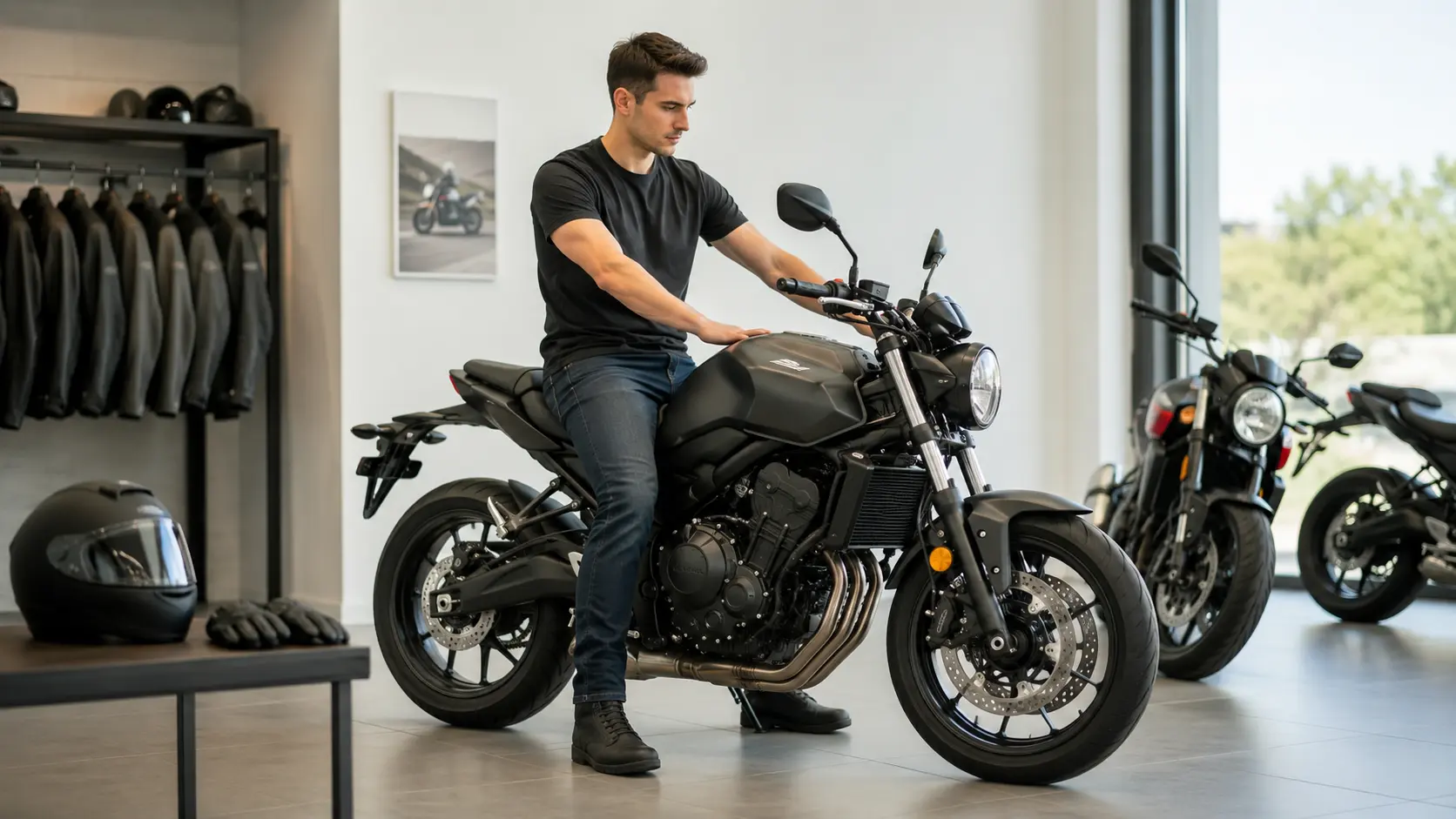
A motorcycle can look perfect online and feel wrong in person. Sit on it. Reach for the bars. Put your feet down. Move it slightly if allowed. Imagine backing it out of a parking space or stopping on a hill. If the bike feels intimidating while parked, it may feel worse in traffic.
Seat height gets attention, but width and weight matter too. A narrow taller bike may feel easier than a low but very wide bike. Balance matters more than numbers alone.
Weight Is a Beginner’s Hidden Problem
New riders often focus on engine size and forget weight. Weight shows up during slow turns, parking, U-turns, gravel driveways, and awkward stops. Once moving, many motorcycles feel lighter. But beginners struggle most when the bike is barely moving.
A lighter motorcycle lets you practice more confidently. It is easier to correct small mistakes. Confidence builds skill, and skill makes larger bikes easier later.
Engine Size Is Not the Whole Story
Engine size can be misleading. A 650cc cruiser, a 650cc sport bike, and a 650cc adventure bike can feel very different. Tuning, weight, throttle response, gearing, and riding position all affect how manageable the motorcycle feels.
For beginners, smooth power delivery is more useful than impressive peak power. A predictable motorcycle teaches better habits than one that feels jumpy or intimidating.
Think About Your Roads
Your environment should influence your choice. City riders need low-speed control, heat management, good mirrors, and easy parking. Highway riders need stability and wind comfort. Rural riders may care about fuel range. Rough-road riders need suspension and tire choices.
There is no universal “best” motorcycle because there is no universal riding environment.
Budget for the Whole Motorcycle Life
The purchase price is only the start. Insurance, gear, tires, maintenance, registration, tools, storage, and repairs all matter. A cheap used motorcycle may need tires, a battery, brake service, and chain work immediately. A new motorcycle may cost more up front but include warranty support.
Before buying, get insurance quotes. Price riding gear. Check tire cost. Think about where service will be done. This prevents surprises.
New or Used?
A new motorcycle gives you warranty, known history, and fewer unknowns. A used motorcycle can save money and reduce depreciation. Neither is automatically better. Beginners often do well with a clean used motorcycle because small mistakes hurt less financially, but only if the bike is safe and properly maintained.
If buying used, read the used motorcycle buying guide and compare model specs in the MotoLibrary database.
Do Not Buy for Other People’s Approval
Motorcycle culture can be loud. Some people say real riders need big bikes. Some say only sport bikes are exciting. Some say beginners should start tiny. Advice can help, but the decision is yours. You are the one paying for it, balancing it, insuring it, and riding it.
Buy the motorcycle that makes sense for your life. Confidence matters more than impressing strangers.
Use Tools, Then Sit on the Bike
Online research helps narrow the list. Use the MotoLibrary recommendation tool if you are unsure where to start. Use the comparison tool when you have a shortlist. But do not stop at specs. Sit on the bike before buying when possible.
Common Choosing Mistakes
- Buying too much motorcycle too soon.
- Ignoring insurance cost.
- Choosing style over comfort.
- Forgetting seat width and weight.
- Buying before checking service access.
- Assuming engine size tells the whole story.
- Letting friends choose for you.
A Simple Decision Process
First, define your riding: commute, weekend, touring, learning, or mixed use. Second, set a realistic total budget. Third, pick two or three categories that fit. Fourth, compare actual models. Fifth, sit on them. Sixth, choose the motorcycle that feels manageable and useful, not just exciting.
FAQ
What is the best motorcycle for a beginner?
The best beginner motorcycle is manageable, predictable, affordable to insure, and comfortable enough to practice often.
Is a bigger motorcycle safer on highways?
Not automatically. Stability helps, but weight and power can create problems for inexperienced riders.
Should I buy new or used?
Both can work. New gives warranty and known history. Used can save money if the bike is inspected carefully.
How important is seat height?
Important, but not the only factor. Seat width, weight balance, and rider confidence also matter.
Where should I start comparing motorcycles?
Start with the MotoLibrary recommendation tool, then use the comparison tool and specs database.
Final Take
The right motorcycle is the one that fits your real riding life. It should match your body, roads, budget, and skill level. A bike that builds confidence will make you a better rider faster than a bike that only looks impressive. Choose honestly, and you will enjoy riding more.