How to Plan the Best Route for Your Motorcycle Tour
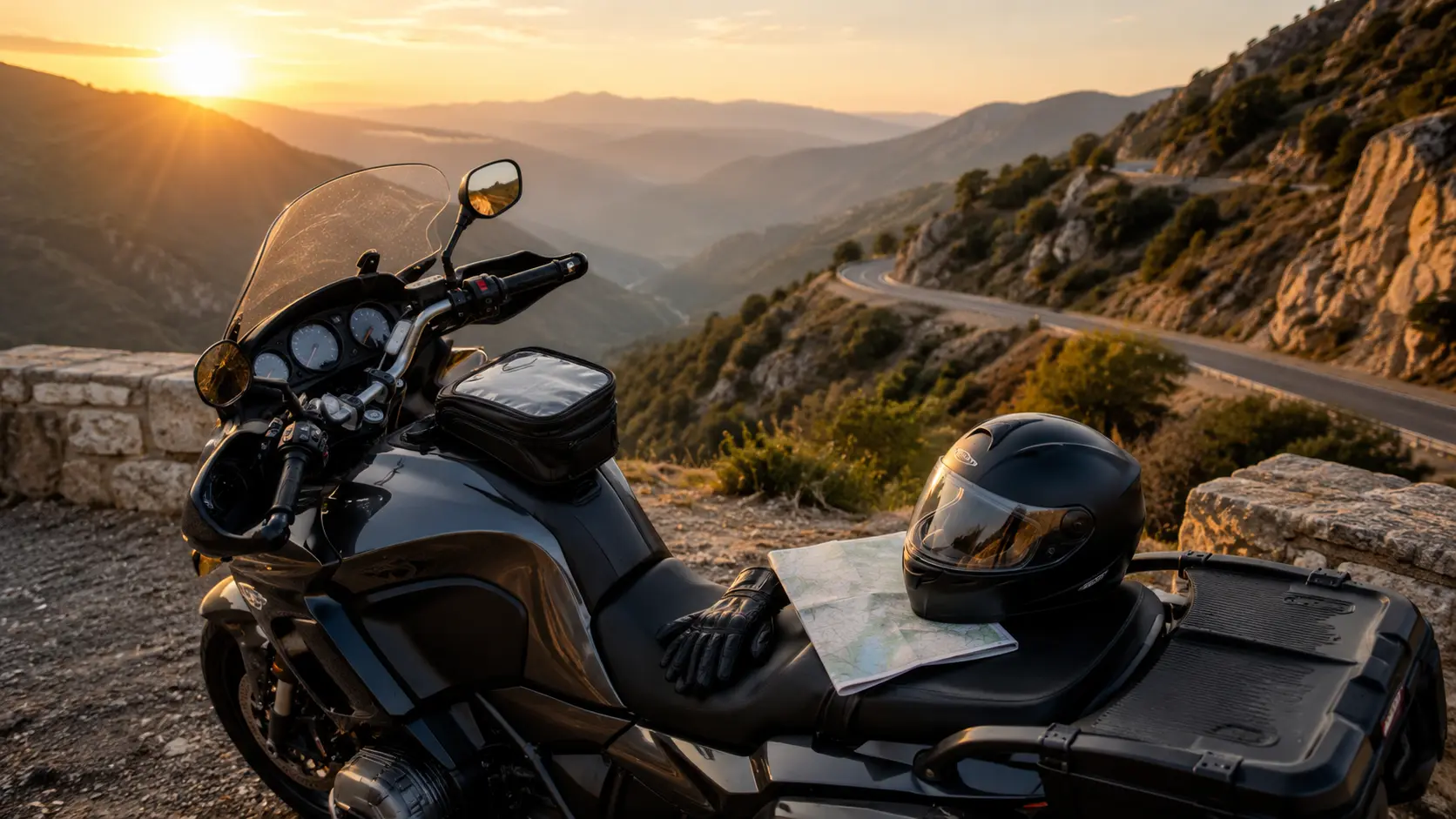
A good motorcycle tour does not start when you turn the key. It starts days or weeks earlier, when you decide what kind of ride you actually want. Some riders want distance. Some want mountain roads. Some want quiet backroads, small towns and no rush. The mistake is trying to plan a trip that looks impressive on a map but feels exhausting on the bike.
Motorcycle touring is different from car travel. Weather matters more. Fatigue matters more. Fuel range matters more. A road that looks short on a map can become slow if it is full of construction, heat, wind, gravel or traffic. The best route is not always the fastest route. It is the route you can ride safely and still enjoy.
Start With the Kind of Ride You Want
Before choosing roads, decide the purpose of the tour. Are you trying to cover miles, visit a destination, enjoy twisty roads, camp, ride with friends or test a new motorcycle? Each goal creates a different route. A scenic ride with stops should not be planned like an endurance run.
If you are riding with other people, talk about expectations early. Some riders want early starts and long days. Others want coffee stops, photos and relaxed evenings. A group ride becomes stressful when nobody says this out loud.
Route Planning Basics
| Planning Area | What to Check | Why It Matters |
|---|---|---|
| Daily mileage | Distance, road type and daylight. | 300 highway miles and 300 mountain miles are not the same. |
| Fuel stops | Fuel range and station spacing. | Remote roads can punish poor planning. |
| Weather | Rain, heat, wind and cold changes. | Motorcyclists feel weather directly. |
| Road quality | Construction, gravel, closures and traffic. | A “great road” can be miserable on the wrong day. |
| Rest breaks | Food, water, stretching and mental resets. | Fatigue causes bad decisions. |
Be Honest About Daily Mileage
A common touring mistake is planning too many miles per day. On a motorcycle, distance is not just distance. Wind, sun, vibration, luggage, noise and body position all add up. A rider can feel great for the first two hours and drained by late afternoon.
If you are new to touring, plan shorter days than you think you can handle. It is better to arrive early and enjoy the evening than to limp into a hotel tired, dehydrated and annoyed. Experienced touring riders often know that the best days are not always the longest days.
Build the Route Around Fuel
Know your real fuel range, not just the number from the brochure. Luggage, speed, hills and wind can reduce range. If your motorcycle has a small tank, plan fuel stops before you need them. Do not wait for the warning light in remote areas.
It is also smart to mark backup fuel stops. Sometimes a small-town station is closed, out of fuel or not where the map said it was. This matters even more if you ride older motorcycles, small bikes or routes away from highways.
Weather Can Rewrite the Day
Motorcycle trips need flexible planning because weather changes everything. Heat drains energy. Rain reduces visibility and traction. Wind can make open roads tiring. Cold can affect focus and hand control. Check weather before leaving and again during the ride.
Rain gear should be reachable, not buried at the bottom of your luggage. If the sky changes, stop early and adjust. Trying to save five minutes by ignoring rain gear usually costs more comfort later.
Navigation: Use More Than One Plan
Phone navigation is useful, but do not depend on one device. Save offline maps when possible. Carry a charging cable and power bank. Know the general direction of your route so you are not helpless if signal disappears.
Some of the best motorcycle roads are not the fastest roads. When planning, look for roads with good surface, safe curves, lower traffic and useful stops. Avoid choosing a road only because it looks twisty on a map. A narrow road with gravel and blind driveways may not be fun.
Packing for a Motorcycle Tour
Pack less than you want to. Overpacking makes the motorcycle heavier, harder to manage and more annoying every time you stop. Keep weight balanced and secure. Heavy items should be low and centered when possible.
- Rain gear and warm layer
- Basic tool kit
- Tire repair kit or plug kit where appropriate
- Phone charger and power bank
- Water and snacks
- Documents and insurance information
- Small first-aid kit
- Clear visor or visor cleaning cloth
Prepare the Motorcycle Before You Leave
A motorcycle tour is not the time to discover worn tires, weak brakes or a tired battery. Check tire pressure, tread, brake pads, chain or belt, lights, oil level, coolant if applicable, luggage mounts and fasteners. If your tires are already near the end of their life, replace them before the trip.
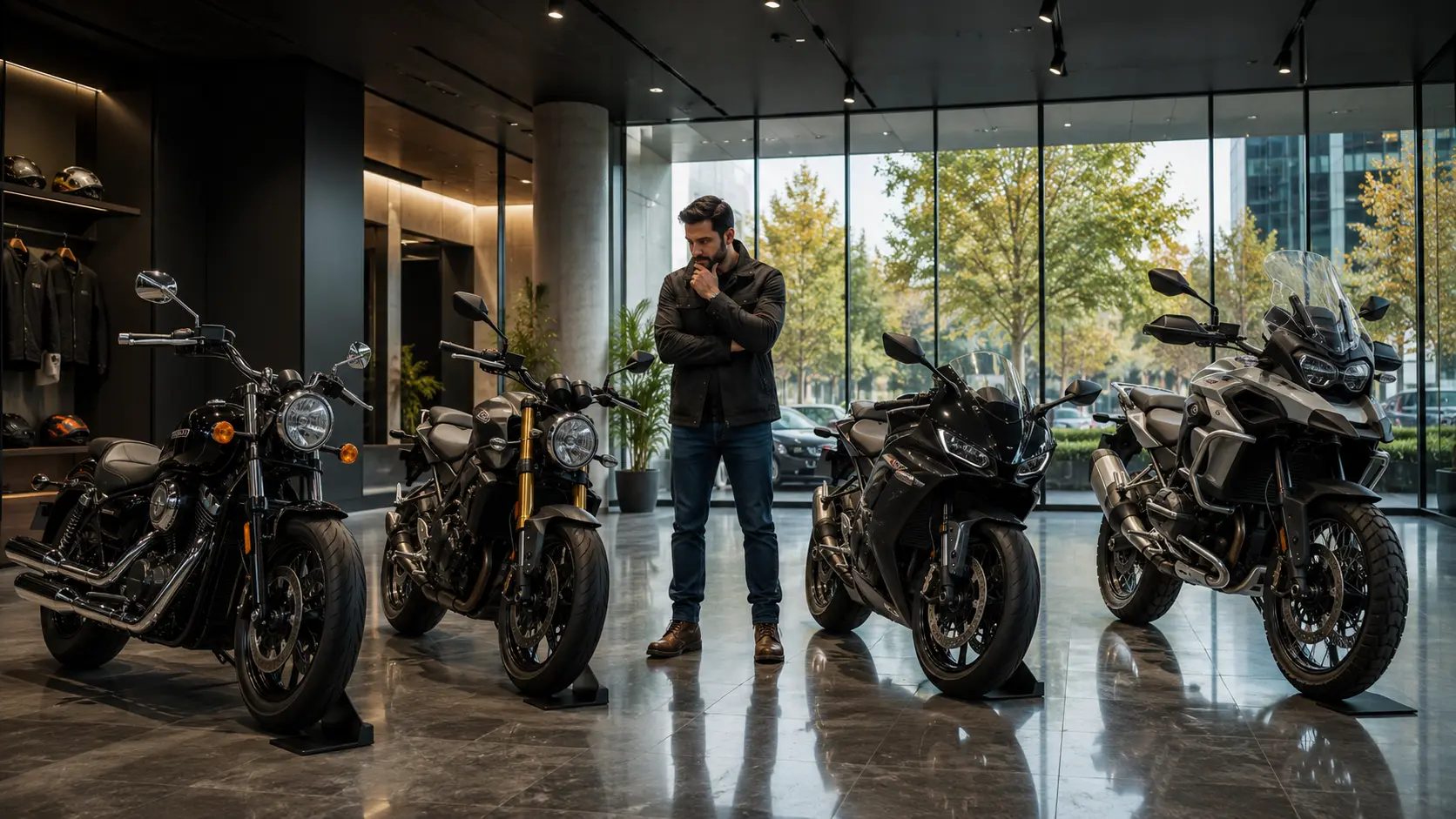
If you are comparing touring-friendly motorcycles, browse the MotoLibrary motorcycle specs database. If you are deciding between two models, use the motorcycle comparison tool to compare size, category and engine details.
Group Ride Planning
Group touring needs more structure than solo touring. Agree on meeting points, fuel stops, riding pace, passing rules and what happens if someone gets separated. The group should ride at a pace that works for the least experienced rider, not the fastest rider.
Do not let pride create risk. If a rider is tired, cold, nervous or uncomfortable, the group should stop. A good tour is not ruined by stopping early. It is ruined by pushing people past their limit.
Common Motorcycle Tour Mistakes
The biggest mistake is turning the trip into a schedule instead of a ride. Riders overestimate distance, underestimate fatigue, pack too much and ignore weather. Another mistake is planning every minute so tightly that there is no room for a good roadside stop, a better road or a needed rest break.
Leave space in the day. The best memories often happen during the unplanned parts: a quiet road, a local diner, a scenic overlook, a conversation at a fuel stop.
FAQ
How many miles should I ride in a day on a motorcycle tour?
It depends on road type, weather, experience and comfort. New touring riders should plan conservative days and increase distance later.
Should I avoid highways on a motorcycle trip?
Not always. Highways can help connect better roads, but a full highway day can be tiring and less enjoyable.
What should I check before a motorcycle tour?
Check tires, brakes, battery, lights, fluids, chain or belt, luggage mounts and weather.
Is solo touring safe?
It can be, with good planning. Share your route, keep your phone charged, plan fuel carefully and avoid pushing through fatigue.
Where can I compare touring motorcycles?
Use the MotoLibrary specs database and the comparison tool.
Final Advice
The best motorcycle tour is not the one with the biggest mileage number. It is the one you want to remember. Plan the route around comfort, weather, fuel, safety and time to enjoy the ride. A smart route gives you enough structure to stay safe and enough freedom to make the trip feel like an adventure.