Safe Motorcycling With Practical Riding Tips
Safe motorcycling is not one big secret. It is a collection of small habits repeated every ride. The riders who stay out of trouble are usually not the ones who talk the loudest or ride the fastest. They are the ones who notice problems early, leave themselves space and ride in a way that gives them options.
A motorcycle gives you freedom, but it also gives you less protection than a car. That does not mean riding has to be scary. It means the rider has to be active. You choose lane position. You choose following distance. You choose when to slow down. You choose whether to wear gear. Those choices add up.
Start Before the Motorcycle Moves
A safe ride begins before the engine starts. Look at the tires. Check the pressure if the bike has been sitting. Squeeze the brakes. Make sure the lights work. Look for leaks. Check mirrors. These small checks feel boring until the day they catch something important.
Also check yourself. Are you tired? Angry? Distracted? In a hurry? Motorcycles punish bad attention. If your head is not in the ride, slow the pace down or wait.
Simple Pre-Ride Safety Check
| Area | What to Check | Why It Matters |
|---|---|---|
| Tires | Pressure, tread and visible damage. | Tires control braking, cornering and stability. |
| Brakes | Lever feel, pedal feel and stopping response. | Weak brakes reduce your escape options. |
| Lights | Headlight, brake light and turn signals. | Visibility matters in traffic. |
| Controls | Throttle, clutch, mirrors and steering. | Everything should move smoothly. |
| Rider | Focus, gear and fatigue level. | A distracted rider reacts late. |
Ride Like Drivers Do Not See You
This is old advice because it is still true. Many drivers are not looking for motorcycles. They are looking for cars, gaps, phones, signs and their next turn. You can be visible and still be missed.
Do not ride in blind spots. Do not sit beside a car longer than necessary. Be careful near driveways, intersections and turning vehicles. If a driver can cross your path, assume they might.
Lane Position Is a Safety Tool
Lane position is not random. Use it to see farther, be seen earlier and create escape space. Sometimes the left part of the lane is best. Sometimes the right part is better. Sometimes the center is the safest option. The correct position changes with traffic, road surface and hazards.
Do not ride where oil, gravel or debris collects if you can avoid it. Watch the center of lanes near intersections and parking lots. Look for shiny patches, sand, potholes and painted lines when the road is wet.
Following Distance Saves Rides
Following too closely is one of the easiest mistakes to make. On a motorcycle, it removes your time to react and blocks your view of the road ahead. A safe following distance gives you more information and more choices.
If a car ahead stops suddenly, you need time to brake smoothly, check your escape path and avoid panic. Space is not weakness. Space is control.
Practice Braking Before You Need It
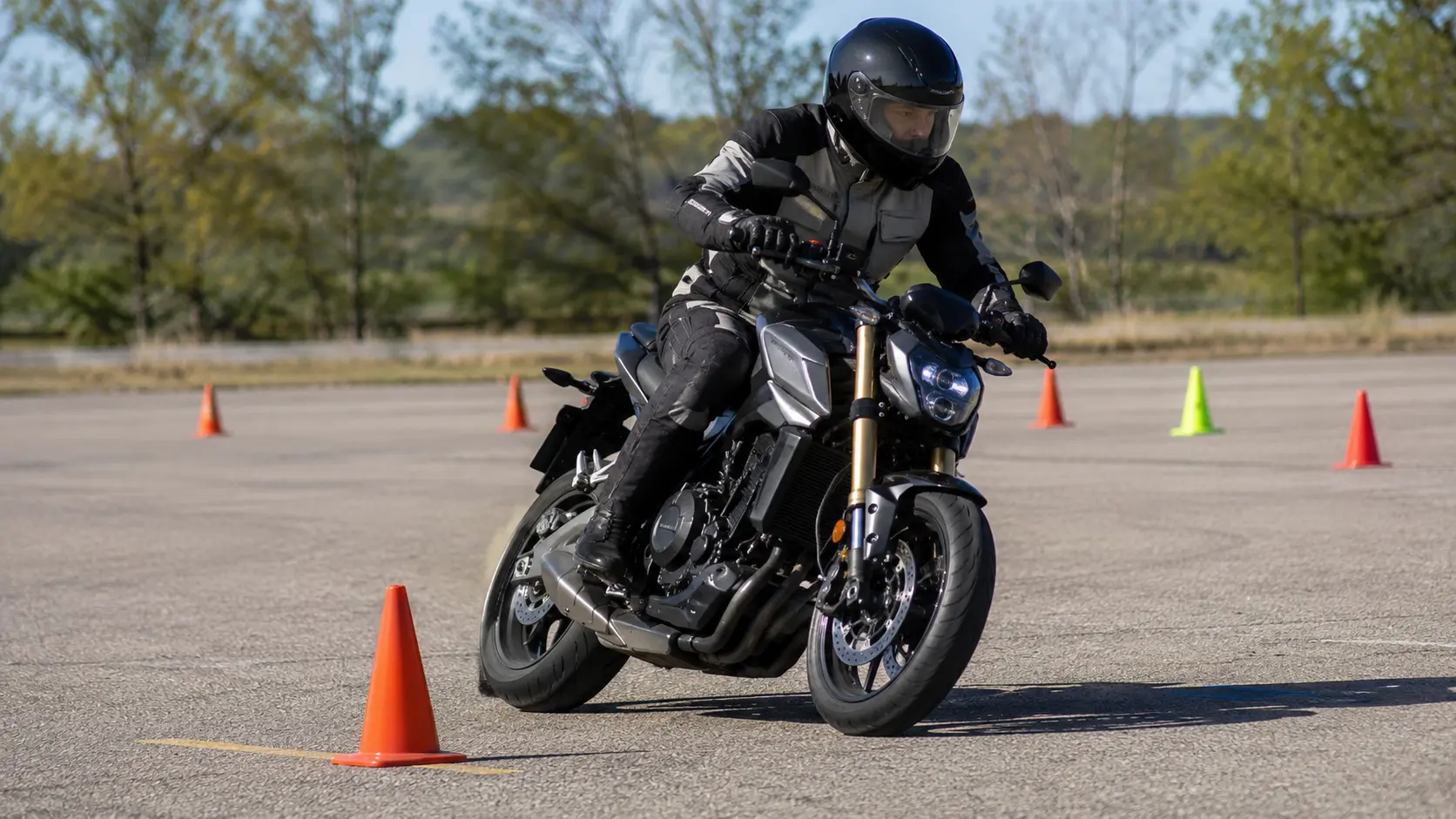
Emergency braking should not be something you try for the first time during an emergency. Practice in a safe area. Learn how your front and rear brakes feel. Learn how the bike reacts when you brake harder. If your motorcycle has ABS, understand that it helps but does not change physics.
Good braking is smooth and firm. Panic braking is usually late and messy. Practice turns panic into a trained response.
Intersections Are High-Risk Zones
Many motorcycle crashes happen when another vehicle turns across the rider’s path. At intersections, cover the brakes, reduce speed and look for wheel movement, driver head movement and gaps in traffic. Do not assume eye contact means the driver has understood your speed or path.
Be especially careful when a vehicle is waiting to turn left in front of you. Change lane position if it improves visibility. Slow slightly if the situation feels uncertain. Arriving one second later is better than trusting a driver’s guess.
Weather Changes Everything
Rain, heat, cold and wind all affect safety. Rain reduces traction and visibility. Heat causes fatigue. Cold stiffens hands and slows reaction. Wind can move the bike in a lane and tire your body faster than expected.
The first minutes of rain can be especially slippery because oil and dirt rise from the road surface. Slow down early. Smooth inputs matter more than aggressive corrections.
Gear Is Not Just for Crashes
Helmet, gloves, jacket, pants and boots are crash protection, but they also improve comfort. Good gear reduces wind fatigue, sunburn, bug strikes, cold hands and distraction. A rider who is comfortable can focus better.
Buy gear that fits your climate. If you ride in heat, look for ventilation. If you ride in rain, carry waterproof layers. Gear you hate wearing will eventually get left behind.
Do Not Let Group Rides Push You
Group rides can be fun, but they can also pressure riders into bad decisions. Never ride faster than your comfort level just to keep up. A good group waits. A bad group makes you feel rushed.
Ride your own ride. If you are new, say so. If you are tired, stop. If the pace feels wrong, back off. Pride is a terrible safety strategy.
Fatigue Is a Real Hazard
Tired riders make late decisions. They miss signs, stare at the vehicle ahead, brake too late and stop scanning. On long rides, take breaks before you feel fully drained. Drink water. Stretch. Eat something. A five-minute stop can reset your attention.
If you catch yourself making small mistakes, that is a warning. Do not wait for a big mistake.
Use the Right Motorcycle for Your Skill
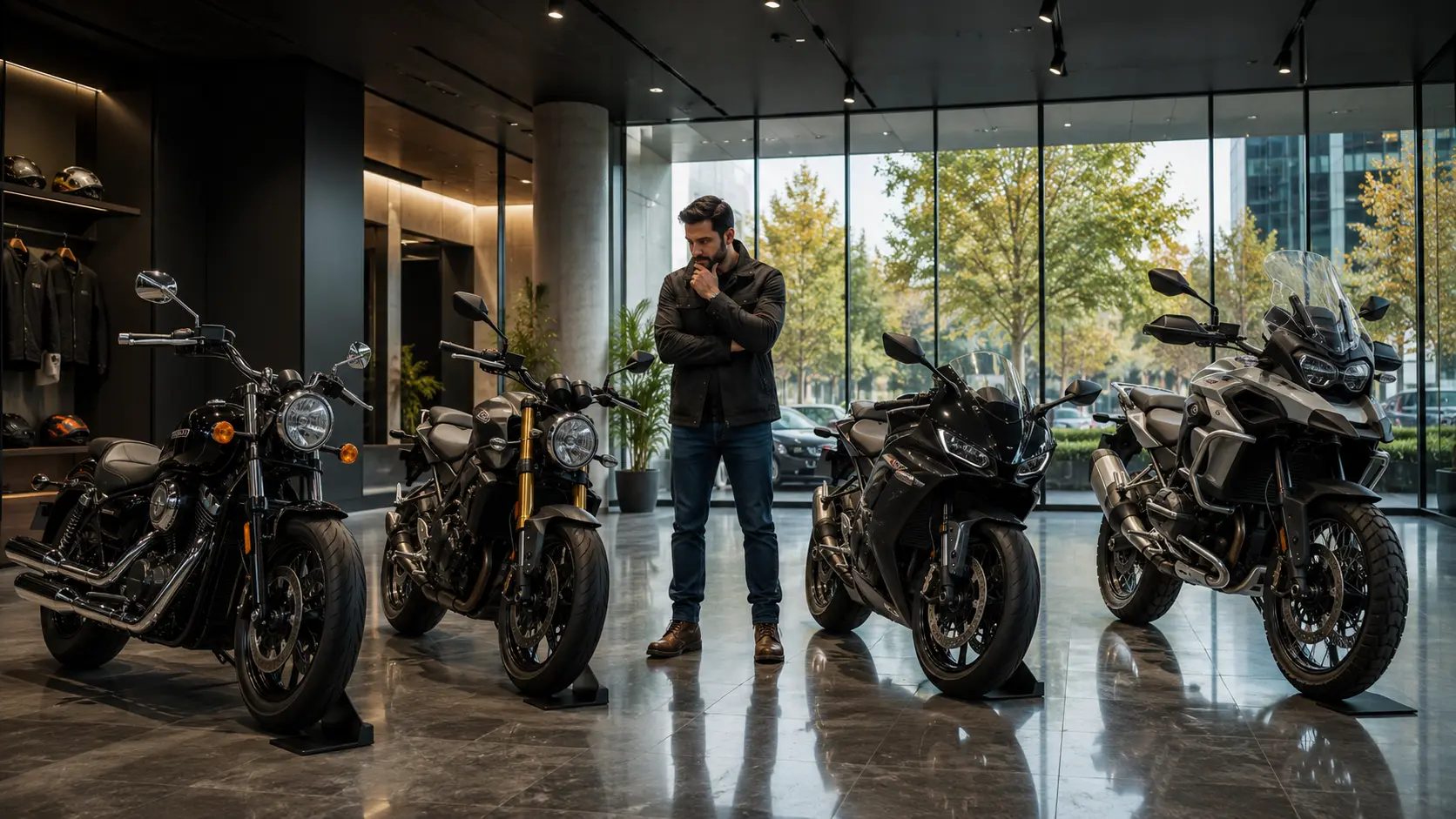
A motorcycle that is too tall, too heavy or too powerful can make a rider tense. Tension makes safety worse. If you are choosing a bike, compare weight, seat height, category and engine character before buying. The MotoLibrary motorcycle specs database, comparison tool and recommendation tool can help you narrow choices.
FAQ
What is the most important motorcycle safety habit?
Keeping space and scanning ahead are among the most important habits. They give you time to react.
Should beginners ride on highways?
Beginners should build skills first, then try highways gradually during lighter traffic.
Does ABS make motorcycles safer?
ABS can help during hard braking, but riders still need to practice braking and maintain proper following distance.
What gear should I wear every ride?
A helmet, gloves, jacket, pants and protective footwear are the basic starting point.
How can I become a safer rider?
Practice braking, improve lane positioning, take rider training, avoid fatigue and ride at a pace that leaves options.
Final Thought
Safe motorcycling is not about being afraid. It is about staying aware enough to enjoy the ride. The safest riders are smooth, observant and honest with themselves. They do not need perfect roads or perfect drivers because they ride with space, patience and a plan.