How to Get a Motorcycle License in Florida
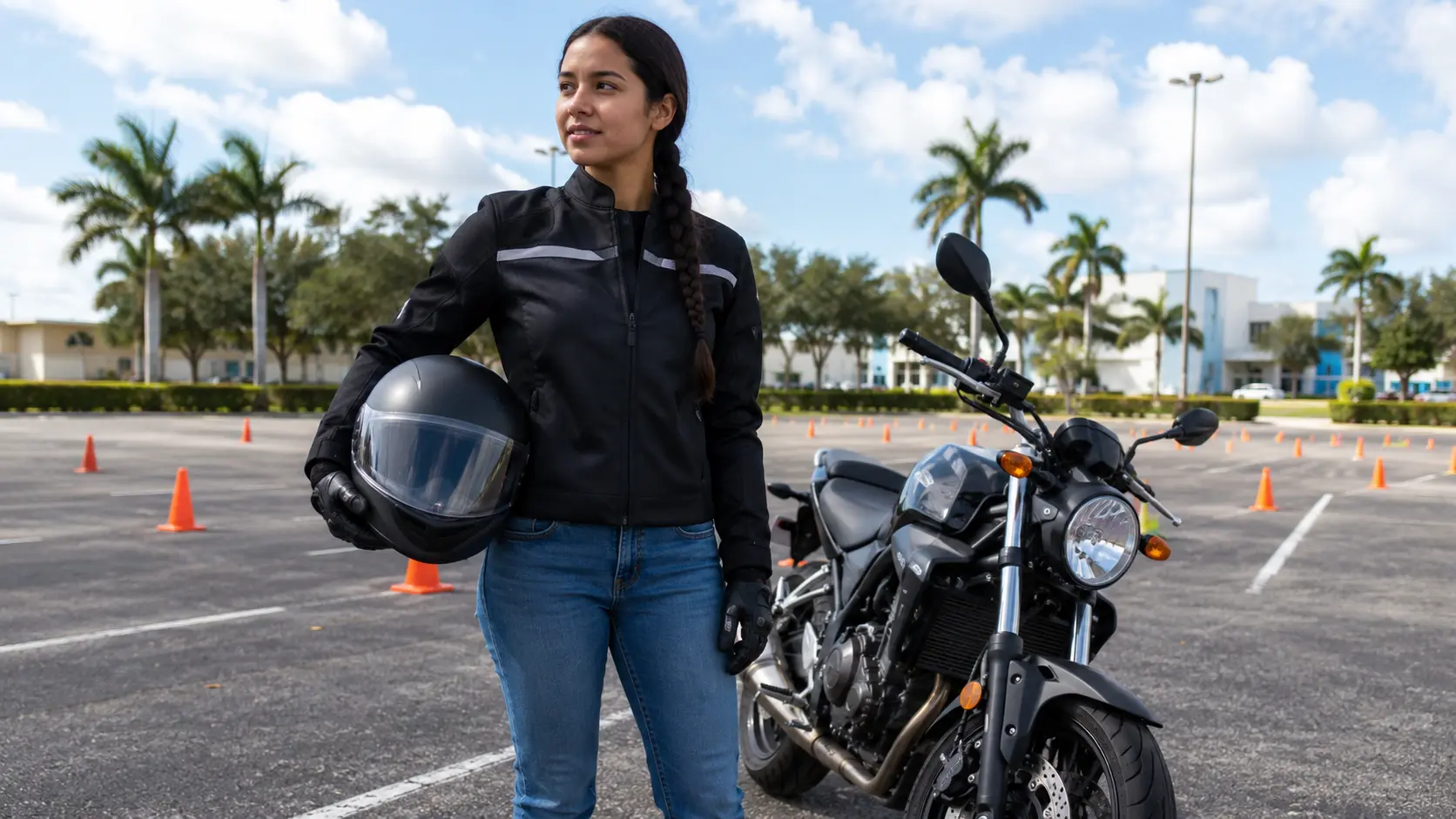
Getting a motorcycle license in Florida is not just a paperwork step. It is the point where a new rider starts moving from “I want a motorcycle” to “I am responsible for controlling this machine in real traffic.” That sounds obvious, but it matters. Florida has busy city roads, fast highways, sudden rain, distracted drivers and plenty of tourist traffic. A license may make you legal, but training and practice are what make you safer.
This guide explains the Florida motorcycle licensing process in plain language. It is written for someone who is new to riding, returning after a long break, or trying to understand the difference between a motorcycle endorsement, a motorcycle-only license and a rider safety course. Always confirm the latest requirements with the official Florida licensing authority before making an appointment, because rules and forms can change.
First, Understand What You Actually Need
In Florida, a rider generally needs the proper motorcycle endorsement on a driver license or a motorcycle-only license. A normal car license by itself is not enough for riding a motorcycle on public roads. The exact path can depend on your age, current license status and whether you already have a valid driver license.
For most riders, the endorsement route is the common path. You already have a regular driver license, complete the required motorcycle training or testing process, then add the motorcycle endorsement. If you do not have a regular driver license, the motorcycle-only license path may apply instead.
Florida Motorcycle License Path at a Glance
| Step | What It Means | Why It Matters |
|---|---|---|
| Check official rules | Confirm the current Florida requirements before scheduling. | Prevents wasted trips and outdated advice. |
| Take rider training | Complete the required or recommended motorcycle safety course. | Builds low-speed control, braking and traffic awareness. |
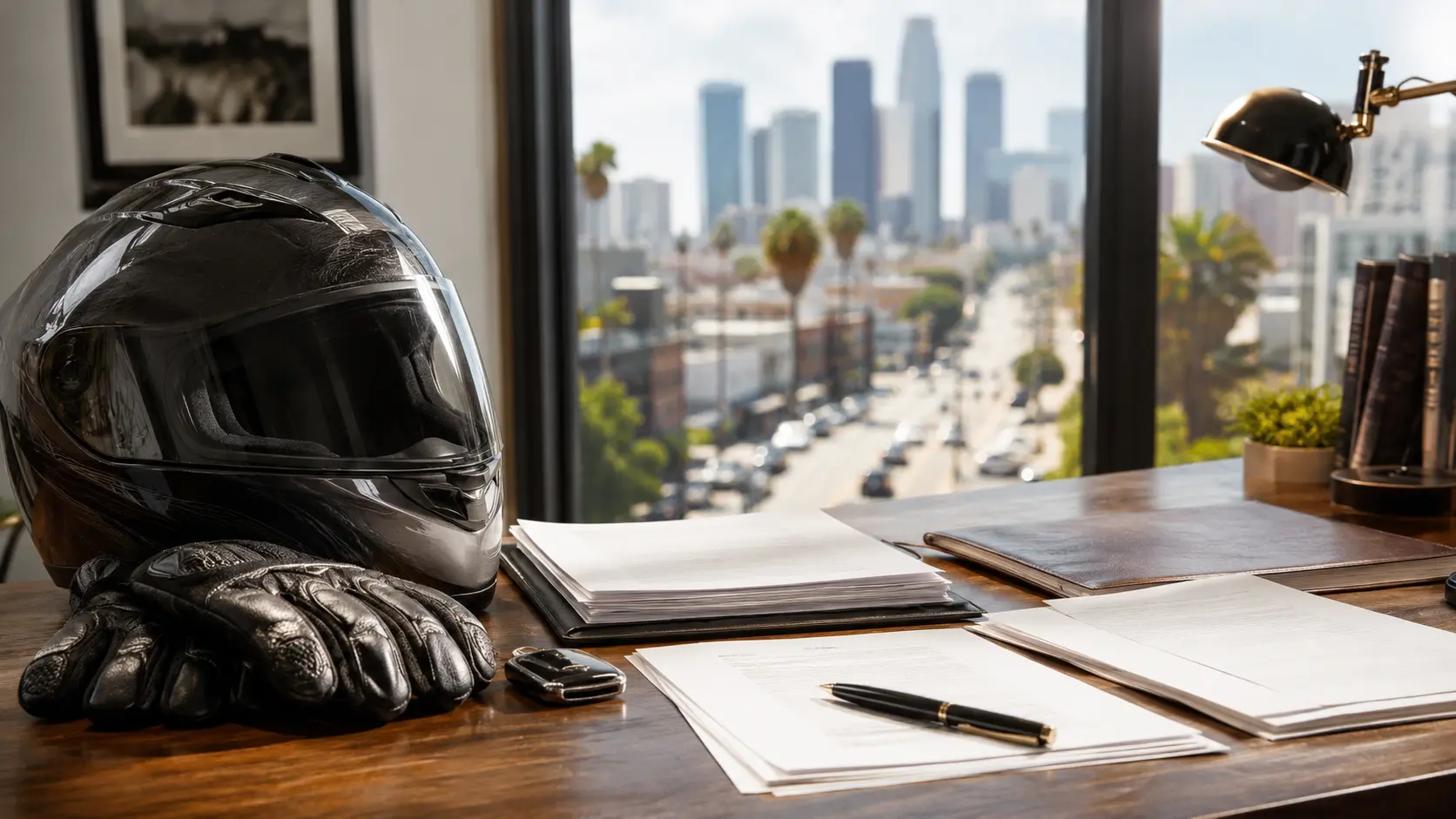
| Prepare documents | Bring ID, license information, course proof and payment. | Makes the DMV/tax collector visit smoother. |
| Add endorsement | Update your license so you can legally ride. | This is the legal permission step. |
| Keep practicing | Continue training after the endorsement. | The first months are when habits form. |
Why the Rider Course Is Worth Taking Seriously
A lot of new riders treat the course as a box to check. That is the wrong mindset. The course is where you learn the skills that are hardest to fake: starting smoothly, stopping without panic, turning your head, balancing at low speed and using both brakes correctly. These are not glamorous skills, but they save riders from embarrassment and injury.
Florida roads make this even more important. In many areas you deal with heat, sudden rain, sand or debris near intersections, heavy tourist traffic and drivers who may not expect motorcycles. A new rider who can brake smoothly and stay calm at low speed already has a big advantage.
What to Practice Before You Ride in Busy Traffic
After getting licensed, do not immediately jump into the hardest riding environment you can find. Spend time in quiet streets and empty parking lots. Practice starts, stops, left turns, right turns, U-turns, emergency braking and slow-speed balance. Practice until the motorcycle feels like something you control calmly, not something you are wrestling.
One useful drill is repeated smooth stops. Accelerate gently to a low speed, stop using both brakes, put a foot down cleanly and start again. Another useful drill is slow turns while looking where you want to go. These simple exercises build confidence faster than just riding straight roads.
Choosing Your First Motorcycle in Florida
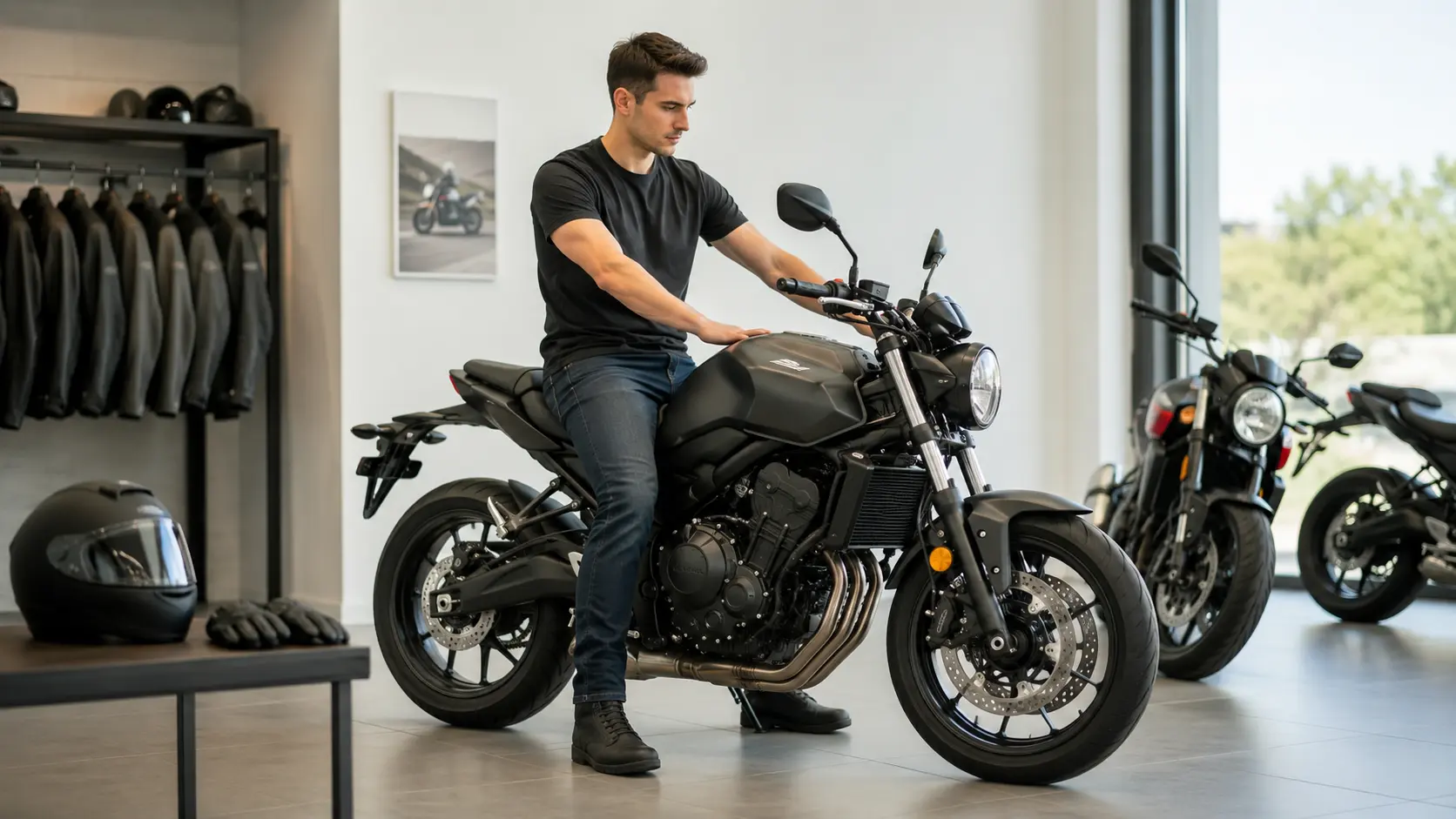
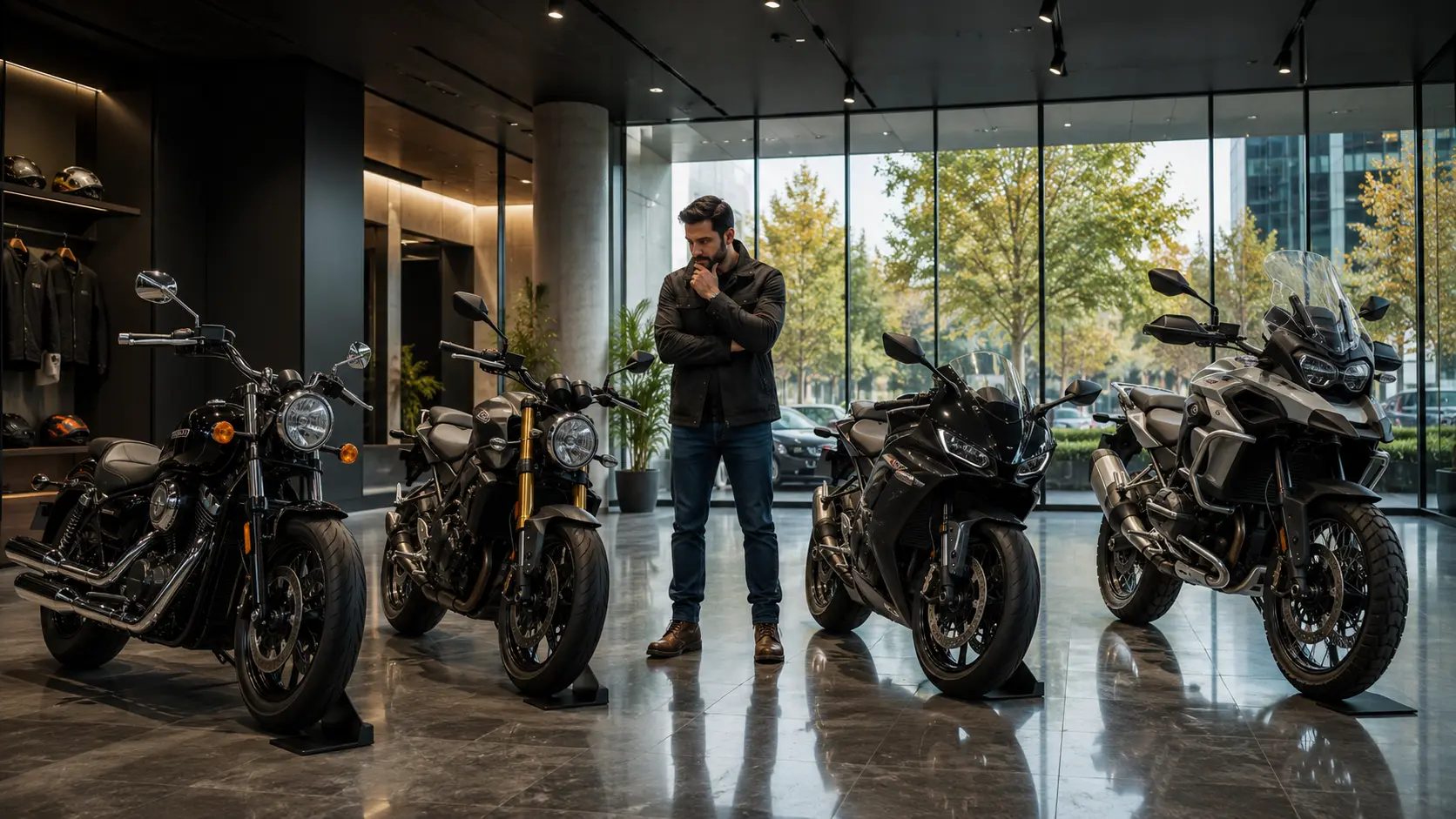
The first bike should not be chosen only by looks. Florida has a lot of straight roads, but that does not mean a beginner should buy the biggest or fastest motorcycle they can afford. Weight, seat height, throttle response and heat matter. A bike that feels manageable in a parking lot will usually be more enjoyable in real traffic.
If you are still choosing a model, start with the MotoLibrary motorcycle specs database. When you have two or three options, use the motorcycle comparison tool to compare weight, engine size and category. If you are unsure what style fits you, try the motorcycle recommendation tool before shopping.
Gear Is Part of the Licensing Conversation
Legality and safety are not the same thing. Even if a rider focuses on the license first, gear should be part of the plan from day one. A proper helmet, gloves, jacket, pants and riding shoes or boots can make a major difference in a simple low-speed fall. New riders drop bikes more often than they expect, usually during slow turns, parking or awkward stops.
Florida heat makes gear choices tricky. The answer is not to skip gear; it is to buy gear that works in heat. Look for ventilation, light colors, breathable materials and comfortable gloves. Gear you hate wearing will eventually stay at home, which defeats the purpose.
Common Mistakes New Florida Riders Make
- Buying too much motorcycle too soon: a heavy or powerful bike can slow learning.
- Only practicing straight roads: slow-speed control and braking matter more early on.
- Ignoring rain: Florida weather can change quickly, and wet roads change braking distance.
- Skipping insurance quotes: the bike may be affordable, but insurance may not be.
- Thinking the license means mastery: the endorsement is permission to keep learning.
A Sensible First 30 Days After Licensing
For the first month, keep the rides short and intentional. Ride when traffic is lighter. Practice routes you know. Avoid carrying a passenger. Avoid group rides where faster riders pressure you. Try one new challenge at a time: a busier road, a longer ride, a little rain, a different parking situation. That is how confidence grows without creating unnecessary risk.
Keep notes after rides. What felt awkward? Was it stopping? Turning? Merging? Parking? Those notes tell you what to practice next. Good riders are not the ones who pretend they are fearless. Good riders notice weaknesses and work on them.
Florida-Specific Riding Habits to Build Early
Watch intersections carefully. Leave space near tourists and rental cars. Be cautious after the first minutes of rain because oil and grime can rise on the road surface. Watch for sand near corners, especially around parking lots and coastal areas. Stay visible, but never assume visibility means drivers actually see you.
On highways, build speed gradually and learn wind pressure before long rides. A motorcycle that feels easy at 35 mph can feel very different at 70 mph. Your first highway ride should not be during rush hour if you can avoid it.
FAQ
Do I need a motorcycle endorsement in Florida?
In most cases, yes. Riders need the proper motorcycle endorsement or a motorcycle-only license. Check official Florida requirements before applying.
Is the motorcycle safety course worth it?
Yes. It teaches the practical control skills that new riders need most: clutch control, braking, turning and hazard awareness.
What is a good first motorcycle after getting licensed?
A good first motorcycle is manageable, predictable and comfortable at low speed. Do not choose only by style or engine size.
Should I buy gear before or after the license?
Before riding. Gear should be part of the budget from the beginning, not an afterthought.
Where can I compare beginner motorcycles?
Use the MotoLibrary specs database, the comparison tool and the recommendation tool.
Final Advice
Getting a motorcycle license in Florida is not difficult if you prepare, but becoming a confident rider takes longer. Treat the endorsement as the starting line. Take training seriously, choose a bike you can actually handle, wear gear, and keep practicing the boring skills until they become automatic. That is what makes riding more enjoyable and much safer.