The Most Interesting New Trends in the Motorcycle Market
The motorcycle market is always changing, but not every new trend deserves the same attention. Some ideas genuinely make riding safer, easier, or more enjoyable. Others look exciting in press photos but do not change much for the average rider. The trick is knowing which changes matter when you are actually choosing a motorcycle.
A new display, a bigger engine, or a new color scheme can get headlines. But most riders care about simpler things after the first month: comfort, reliability, fuel range, service cost, insurance, parts availability, and whether the bike still makes them want to ride. That is the lens this guide uses. Not hype, but real usefulness.
Middleweight Motorcycles Are Having a Strong Moment
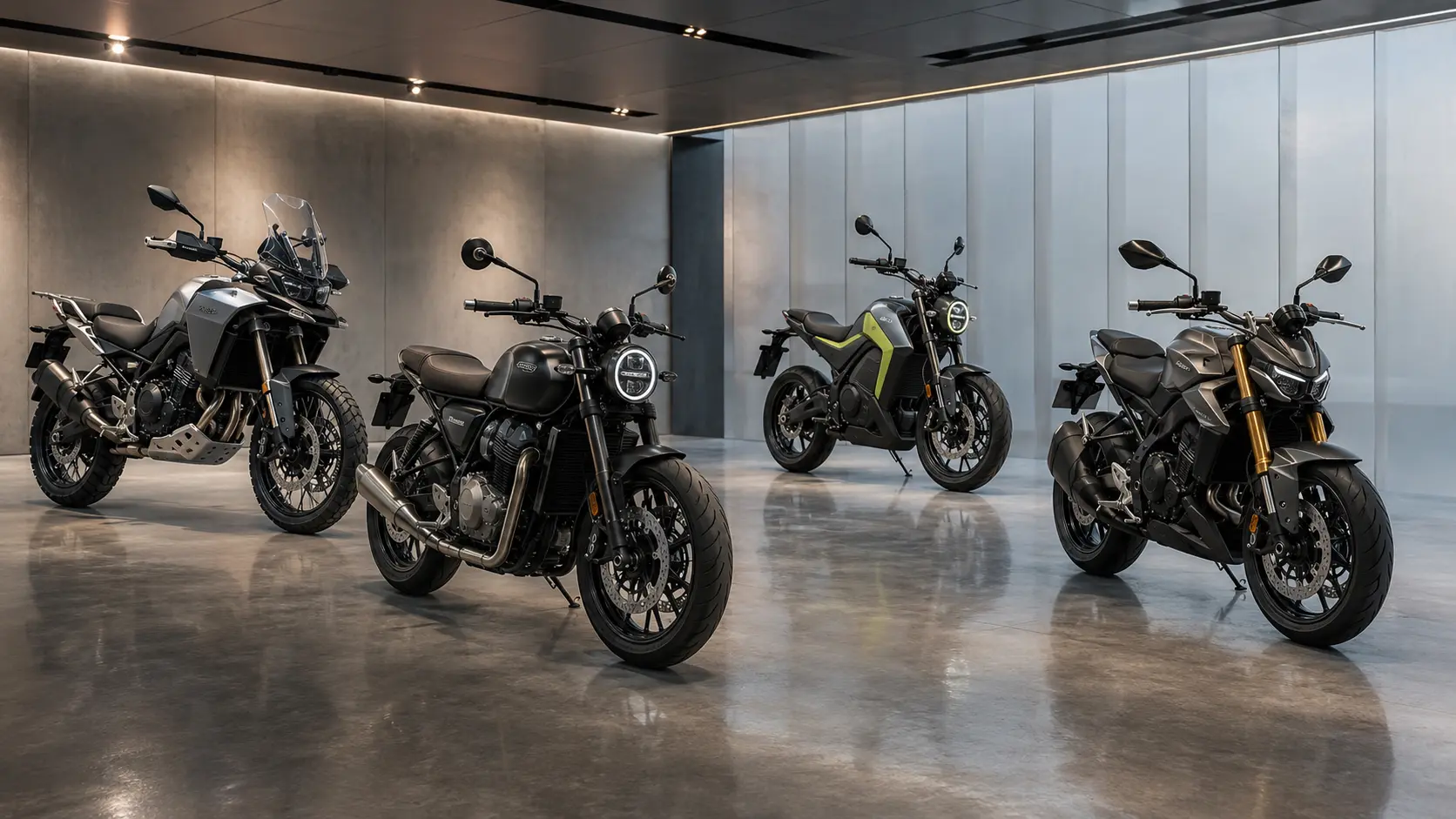
One of the most important shifts is the rise of middleweight motorcycles. Riders want bikes that are powerful enough for highways but not so heavy or expensive that they become work to own. This is why many middleweight naked bikes, adventure bikes, cruisers, and sport-touring models are getting attention.
For a lot of people, a middleweight bike is the sweet spot. It can commute during the week, handle weekend rides, and still feel manageable in parking lots. It also usually costs less to insure, maintain, and tire than a large high-performance motorcycle.
Why This Trend Matters
| Trend | What Riders Get | Possible Trade-Off |
|---|---|---|
| Middleweight bikes | Usable power, lower weight, better daily practicality. | Less prestige or outright power than flagship models. |
| Adventure-style motorcycles | Comfort, upright seating, luggage options, road versatility. | Seat height and weight can be challenging. |
| Rider aids | ABS, traction control, ride modes, more confidence. | More electronics and sometimes higher repair cost. |
| Retro design | Classic looks with modern reliability. | Some models prioritize style over performance. |
| Electric motorcycles | Quiet power and low local emissions. | Range, price, and charging still matter. |
Adventure Bikes Became Everyday Bikes
Adventure motorcycles used to feel like niche machines for riders who dreamed about crossing continents. Now, many riders buy them for normal roads. The reason is simple: upright seating, good visibility, comfortable suspension, luggage options, and relaxed ergonomics are useful even if you never ride a dirt trail.
That does not mean every rider needs a big adventure bike. Tall seats and high weight can make them awkward for shorter riders or beginners. But the adventure influence is everywhere now. Even street-focused bikes are borrowing the upright, practical feel.
Rider Aids Are No Longer Exotic
ABS used to be treated like a premium feature. Now many riders expect it. Traction control, ride modes, cornering ABS, wheelie control, and quickshifters are also more common. Some riders complain that electronics make motorcycles less pure, but good rider aids can make a bike safer and more forgiving.
The important point is that electronics do not replace skill. ABS does not mean you can ignore braking practice. Traction control does not mean tires have unlimited grip. These systems are safety nets, not permission to ride badly.
Retro Motorcycles Are More Than Fashion
Retro-styled motorcycles keep selling because they offer something riders understand immediately: simple shapes, classic tanks, round lights, visible engines, and less visual clutter. Many riders like the feeling of an older motorcycle without actually wanting old wiring, weak brakes, carburetor problems, or hard-to-find parts.
The best retro bikes combine style with modern brakes, fuel injection, ABS, and reliable service support. The weaker ones lean too hard on appearance and forget comfort, suspension quality, or useful power.
Electric Motorcycles Are Still Finding Their Place
Electric motorcycles are interesting, but they are not yet the perfect answer for every rider. For short urban rides, they can make a lot of sense. Instant torque, low noise, and fewer routine engine maintenance items are real advantages. For long-distance touring, range and charging time still limit appeal.
Price is another issue. Many electric motorcycles cost enough that riders start comparing them with very capable gasoline bikes. Until range, charging access, and battery confidence improve further, electric motorcycles will probably grow strongest in commuting and urban categories first.
Small Bikes Are Getting Better
Another positive trend is that small-displacement motorcycles are no longer treated only as disposable beginner machines. Many now have better styling, ABS, fuel injection, LED lighting, and enough performance for real commuting. This is good for new riders and for experienced riders who want something light and cheap to run.
A smaller motorcycle can teach better habits because it rewards momentum, smooth braking, and corner speed. Not every rider needs a huge engine to have fun.
Connectivity Is Useful, Until It Becomes Noise
TFT screens, phone pairing, navigation prompts, ride apps, and connected dashboards are becoming normal. Some of it is genuinely useful. Clear navigation, tire pressure information, and service reminders can help. But too much screen complexity can distract from riding.
The best motorcycle technology stays in the background until you need it. A readable dashboard is better than a flashy dashboard that takes too long to understand.
What Buyers Should Pay Attention To
Trends are helpful only if they match your riding. Before buying into the newest thing, ask practical questions. Can you get service locally? Are parts easy to find? Is insurance reasonable? Does the seat height work for you? Can you afford tires? Will the bike still make sense two years from now?
Use the MotoLibrary motorcycle specs database to compare actual numbers, and use the comparison tool when deciding between two models. Market trends are interesting, but a specific motorcycle still needs to fit your body, budget, and roads.
Trends That Are Easy to Overrate
Some trends sound better than they feel. Very large screens, aggressive styling, extreme horsepower, and complicated ride modes can impress buyers at first but may not improve daily ownership. A motorcycle that is easy to ride, easy to service, and comfortable for your roads may be more satisfying than the bike with the loudest launch campaign.
FAQ
What is the biggest motorcycle market trend right now?
Middleweight motorcycles and adventure-style ergonomics are among the most important trends because they fit many real-world riders.
Are electric motorcycles worth buying?
They can be worth it for urban riders with reliable charging. For long-distance riders, range and charging time are still major considerations.
Are rider aids good for beginners?
Yes, features like ABS can help, but beginners still need training and practice. Technology does not replace skill.
Why are retro motorcycles so popular?
They offer classic looks with modern reliability, fuel injection, brakes, and easier ownership than true vintage bikes.
How should I compare new motorcycles?
Compare fit, cost, reliability, dealer support, insurance, and real use. Use MotoLibrary Compare to check models side by side.
Final Thought
The most interesting motorcycle trends are not always the loudest ones. The best changes make bikes easier to ride, safer to own, and more enjoyable over time. Ignore the hype for a moment and ask one question: will this feature, category, or design actually make my rides better? If the answer is yes, the trend matters.