Top Selling Motorcycle Brands and How Riders Should Compare Them
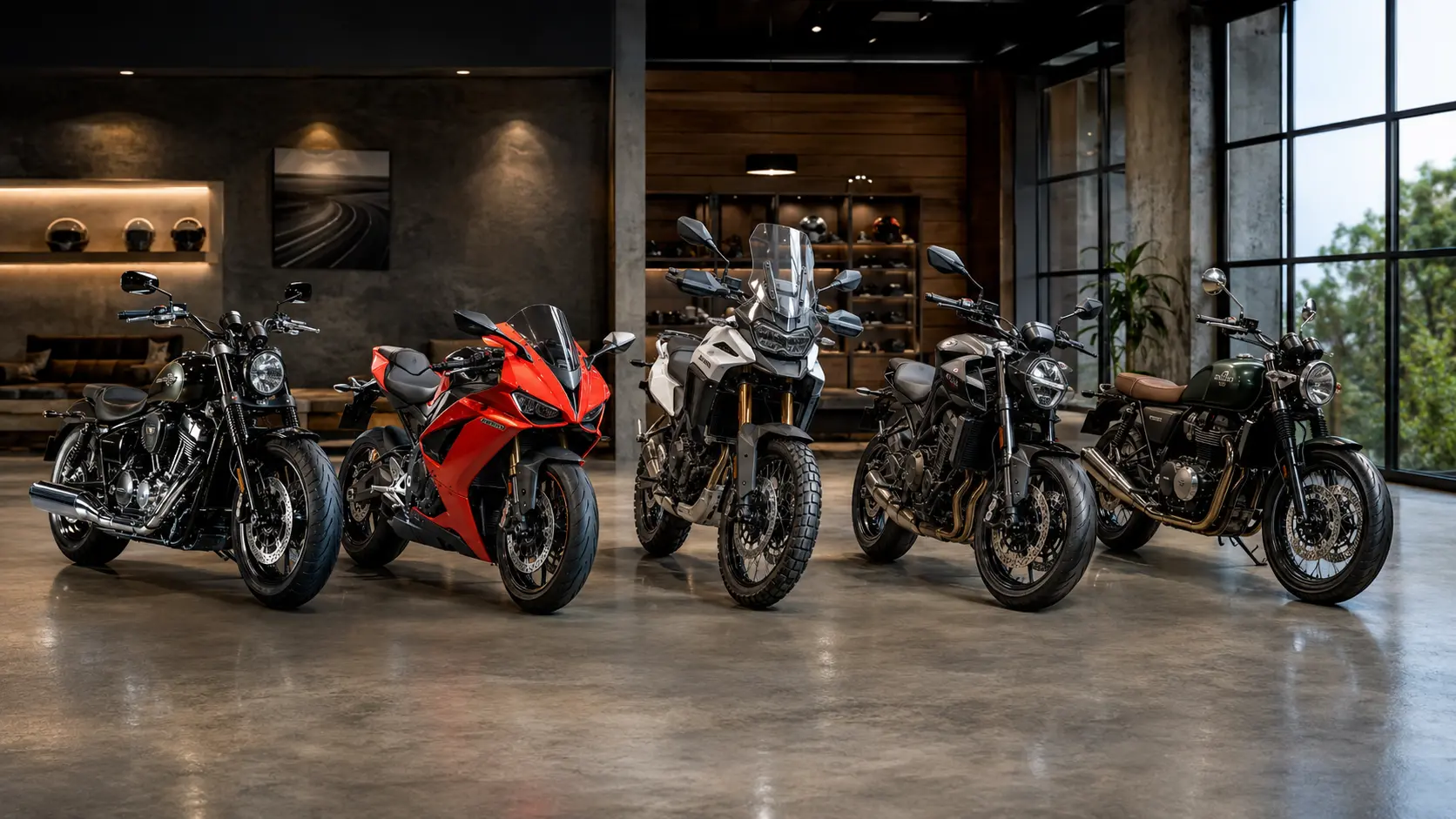
Top selling motorcycle brands get attention for a reason. A brand that sells well usually has a strong dealer network, a wide model range, good parts availability and enough trust from riders to keep demand high. But sales numbers alone do not tell you which motorcycle is right for you. A brand can be popular worldwide and still make a specific model that does not fit your height, budget, riding style or maintenance expectations.
That is why it is better to use “top selling” as a starting point, not a final answer. Popular brands are worth studying because they often offer easier ownership. But the smart move is to compare actual models, not just badges. Before choosing, use the MotoLibrary motorcycle specs database to check real model data and the motorcycle comparison tool when you are deciding between two bikes.
Why Top Selling Brands Matter
A popular motorcycle brand can make ownership simpler. If a brand sells many motorcycles, there are usually more dealers, more independent mechanics familiar with the bikes, more used parts, more accessories and more owner knowledge online. That matters when you need tires, brake parts, maintenance advice or a replacement component.
For new riders, that support can be more important than they realize. Buying a rare or unsupported motorcycle may feel exciting at first, but it can become frustrating when basic parts take weeks to arrive or local shops do not want to work on it.
Popularity Is Not the Same as the Best Choice
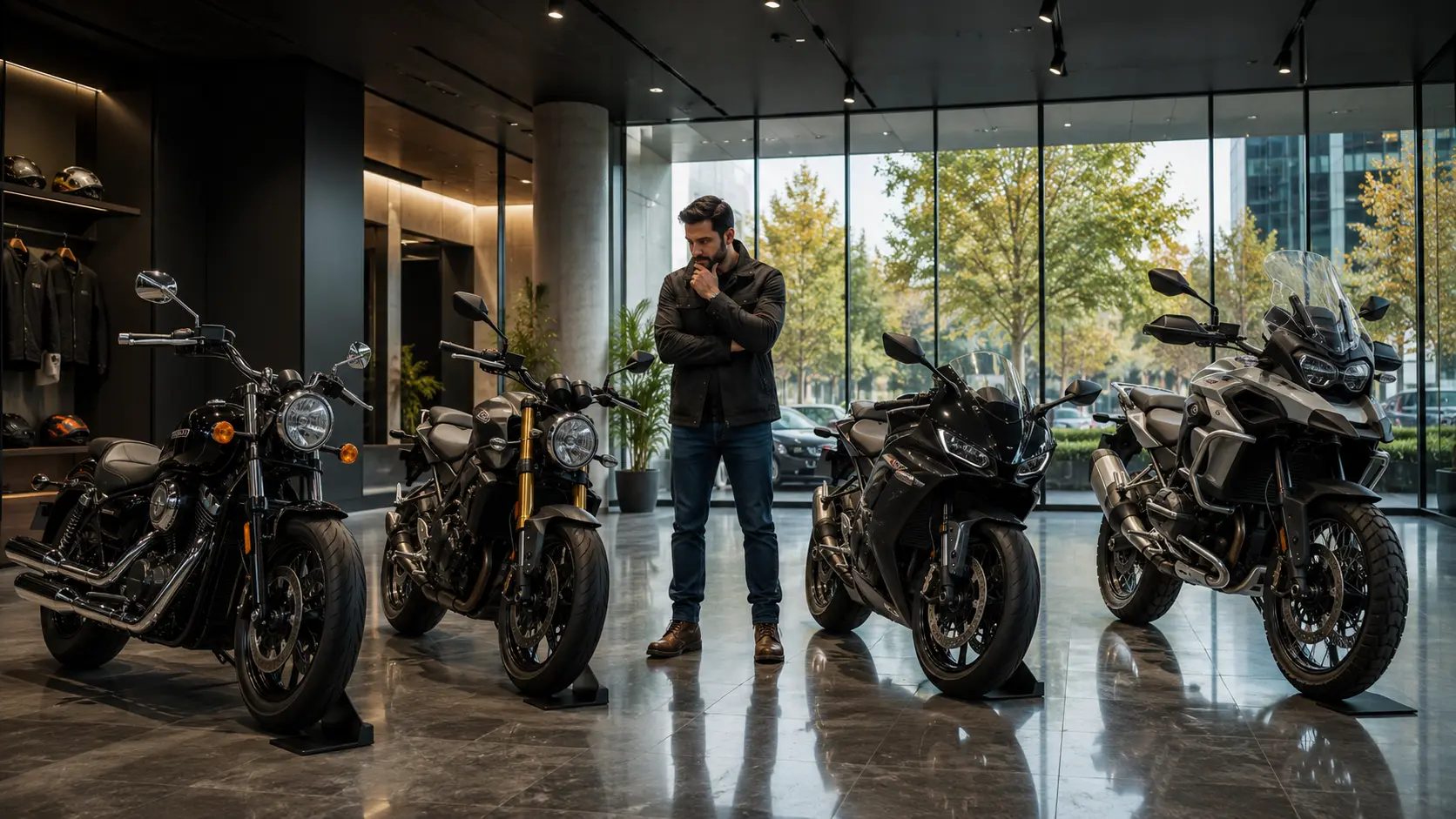
A best-selling brand is not automatically the best brand for your situation. A commuter in a dense city, a touring rider, a beginner, a sport rider and a cruiser fan all need different things. The right motorcycle is the one that fits your roads, experience, body size, budget and maintenance comfort.
Some riders buy a brand because friends recommend it. Others buy because of reputation or image. That is normal, but it should not replace practical comparison. Sit on the bike. Check insurance. Look at service intervals. Think about where you will park it. A motorcycle is not just a logo; it is something you live with.
Brand Comparison Overview
| Brand Factor | Why It Matters | What Riders Should Ask |
|---|---|---|
| Dealer network | Service and warranty support are easier with more local access. | Is there a good dealer or mechanic near me? |
| Parts availability | Common models are often easier and cheaper to maintain. | Can I get tires, filters, brake parts and common spares quickly? |
| Reliability reputation | Strong reliability can reduce long-term ownership stress. | Does this specific model have known issues? |
| Resale value | Popular models may be easier to sell later. | Will this bike still be desirable in a few years? |
| Model fit | The best brand still needs to fit the rider. | Is the seat height, weight and riding position right for me? |
Honda: Practical Trust and Wide Coverage
Honda is often associated with reliability, approachable engineering and a wide range of motorcycles. From small commuter bikes to adventure machines, sport bikes and touring models, Honda tends to build motorcycles that are easy to live with. Riders often choose Honda when they want a machine that starts, runs and does not ask for drama.
The possible downside is that some riders find certain Honda models less emotional than rivals. But for many owners, that is exactly the point. A motorcycle that simply works can be the best kind of motorcycle, especially for commuting, long-term ownership or beginner confidence.
Yamaha: Sporty Character and Strong Value
Yamaha has a strong reputation in sport, naked, touring and off-road categories. Many Yamaha models feel lively and rider-focused without becoming impossible to own. The brand often appeals to riders who want a bit of excitement but still care about reliability and parts support.
Yamaha can be a good place to look if you want a motorcycle with more personality than a purely practical commuter but less ownership stress than an exotic machine. As always, model choice matters more than brand reputation alone.
Kawasaki: Performance Energy Across Categories
Kawasaki is known for performance-minded motorcycles, but the brand is not only about speed. It has strong offerings in sport bikes, naked bikes, cruisers, adventure-style models and beginner-friendly machines. Kawasaki often appeals to riders who want strong value and a little aggressive character.
For buyers, the key is matching the model to experience level. Some Kawasaki bikes are very beginner-friendly. Others are serious performance machines. Do not let the brand’s fast image push you into more motorcycle than you need.
Suzuki: Value, Simplicity and Proven Platforms
Suzuki has produced many motorcycles that riders appreciate for value and durability. Some Suzuki models stay in production or remain popular for a long time because the basic formula works. That can be good for used buyers because parts, knowledge and aftermarket support may be easier to find.
The brand may not always chase the newest technology as aggressively as some rivals, but that can also mean simpler ownership. For riders who prefer proven designs, Suzuki can be worth serious consideration.
Harley-Davidson: Brand Identity and Cruiser Culture
Harley-Davidson is more than a manufacturer for many riders. It represents a style, sound, community and cruiser culture. Harley ownership often includes customization, dealer events, group rides and a strong identity that other brands do not copy easily.
The practical side is important too. Harley has strong support in many areas, and popular models have huge aftermarket options. The trade-off is that some Harley models are heavy, expensive or less suited to riders who want lightweight commuting or sport performance. The brand makes the most sense when its riding style matches your expectations.
BMW, Ducati, Triumph and Other Premium Brands
Premium and European brands often attract riders looking for character, technology, performance or a specific riding feel. BMW is strong in touring and adventure categories. Ducati is known for performance and Italian character. Triumph has a mix of modern classics, triples and adventure models. These brands can be excellent, but ownership cost and dealer access should be checked carefully.
A premium motorcycle can be deeply satisfying, but it should be bought with open eyes. Service cost, parts prices and local support matter. If the nearest dealer is far away, that should be part of the decision.
Used Market: Brand Reputation Helps, Condition Wins
In the used market, brand reputation matters, but condition matters more. A neglected motorcycle from a famous brand is still a neglected motorcycle. A well-maintained bike from a less hyped brand can be a better buy than a rough example with a popular badge.
Look for service records, clean title status, tire age, brake condition, chain or belt condition, fork seals, battery health, leaks and crash signs. If the motorcycle has modifications, ask who installed them and whether the original parts are included.
How Beginners Should Compare Brands
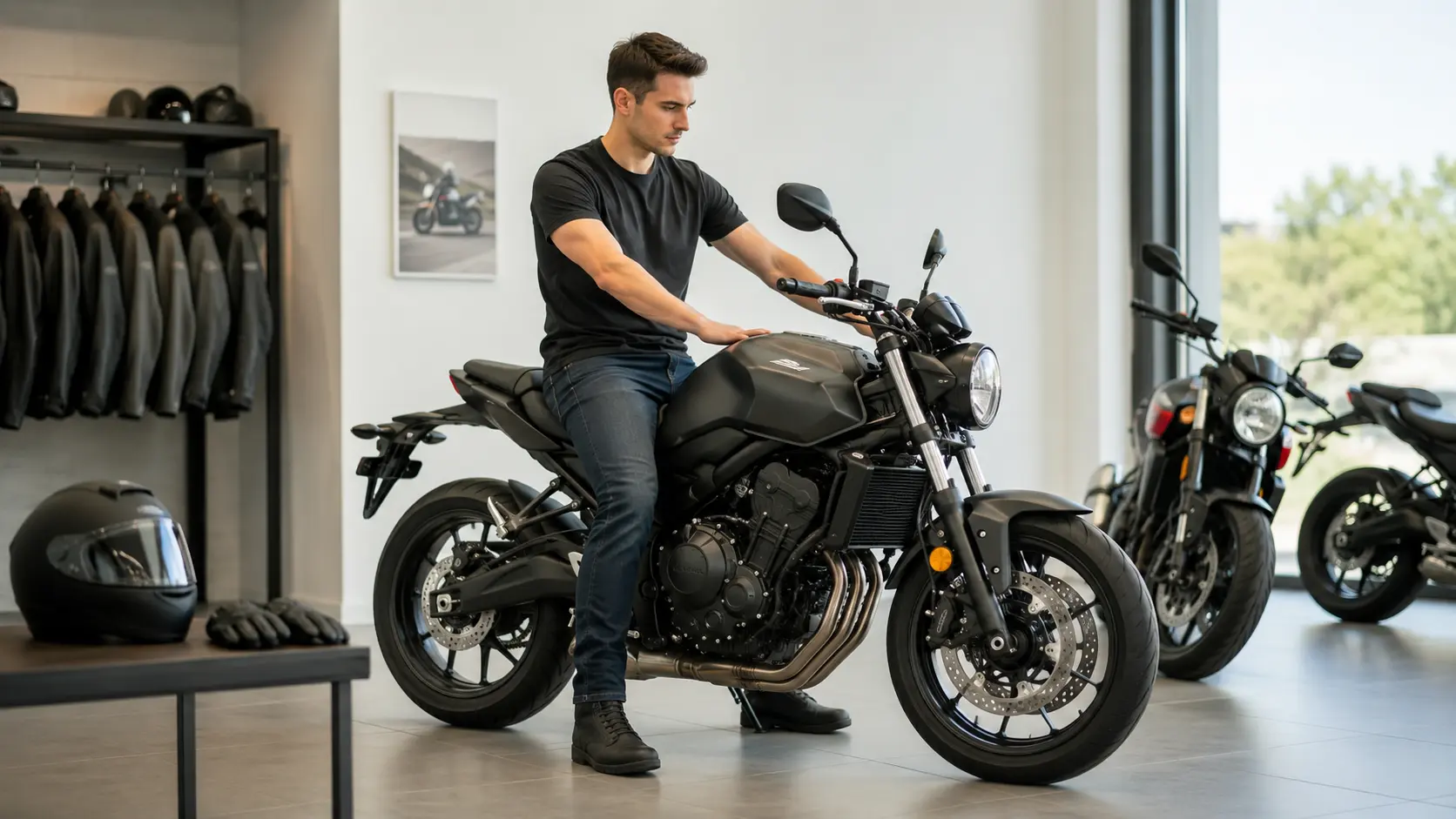
New riders should not start with brand loyalty. Start with fit and control. Can you flat-foot or comfortably touch down? Can you move the bike in a parking lot? Is the throttle predictable? Is insurance affordable? Does the bike make you nervous or confident?
Once those questions are answered, then compare brands. A beginner-friendly motorcycle from any major brand is usually a better choice than an intimidating bike from the brand you think you are supposed to want.
Resale Value and Long-Term Ownership
Top-selling brands often have better resale because more riders recognize them and more buyers are searching for them. But resale depends on the exact model, mileage, condition and local demand. A clean, stock, well-maintained motorcycle usually sells more easily than a heavily modified bike with unknown history.
Think about ownership length. If you plan to upgrade in one or two years, resale value matters more. If you plan to keep the motorcycle for a long time, comfort, reliability and service support may matter more than resale.
Common Mistakes When Choosing by Brand
- Buying the badge instead of the bike: the model still has to fit your real use.
- Ignoring dealer access: a great motorcycle is less convenient if service is far away.
- Assuming all models from a brand are the same: every brand has stronger and weaker models.
- Forgetting insurance: some models cost more to insure than expected.
- Overvaluing online arguments: rider needs matter more than forum loyalty battles.
A Better Way to Choose
Start with your riding purpose. Are you commuting, touring, learning, riding trails, taking weekend canyon rides or looking for cruiser comfort? Then set a realistic budget that includes insurance, gear, maintenance and tires. After that, compare models from several brands instead of forcing yourself into one badge.
Use the MotoLibrary specs database to find models in the category you want. Use the comparison tool to check size, engine, category and other details side by side. If you are still unsure what kind of motorcycle fits you, start with the recommendation tool.
FAQ
What is the best motorcycle brand?
There is no single best brand for everyone. The best choice depends on your riding style, budget, local service options and the specific model you want.
Are top selling motorcycle brands more reliable?
Not automatically, but popular brands often have strong parts support, dealer networks and owner knowledge. Model-specific reliability still matters.
Should beginners buy from popular brands?
Popular brands can make service and resale easier, but beginners should focus first on manageable size, weight and predictable power.
Does brand affect resale value?
Yes, but condition, mileage, service history and local demand matter just as much.
How should I compare two motorcycles from different brands?
Compare fit, weight, engine character, maintenance cost, insurance, dealer support and real riding purpose. The MotoLibrary comparison tool can help.
Final Take
Top selling motorcycle brands are popular for good reasons, but popularity should not make the decision for you. A motorcycle has to fit your body, roads, budget and personality. Use brand reputation as a clue, then compare the actual models. The best bike is not always the one with the biggest name; it is the one you will ride confidently, maintain properly and still enjoy after the first excitement fades.