Three Motorcycle Helmet Types Riders Should Consider
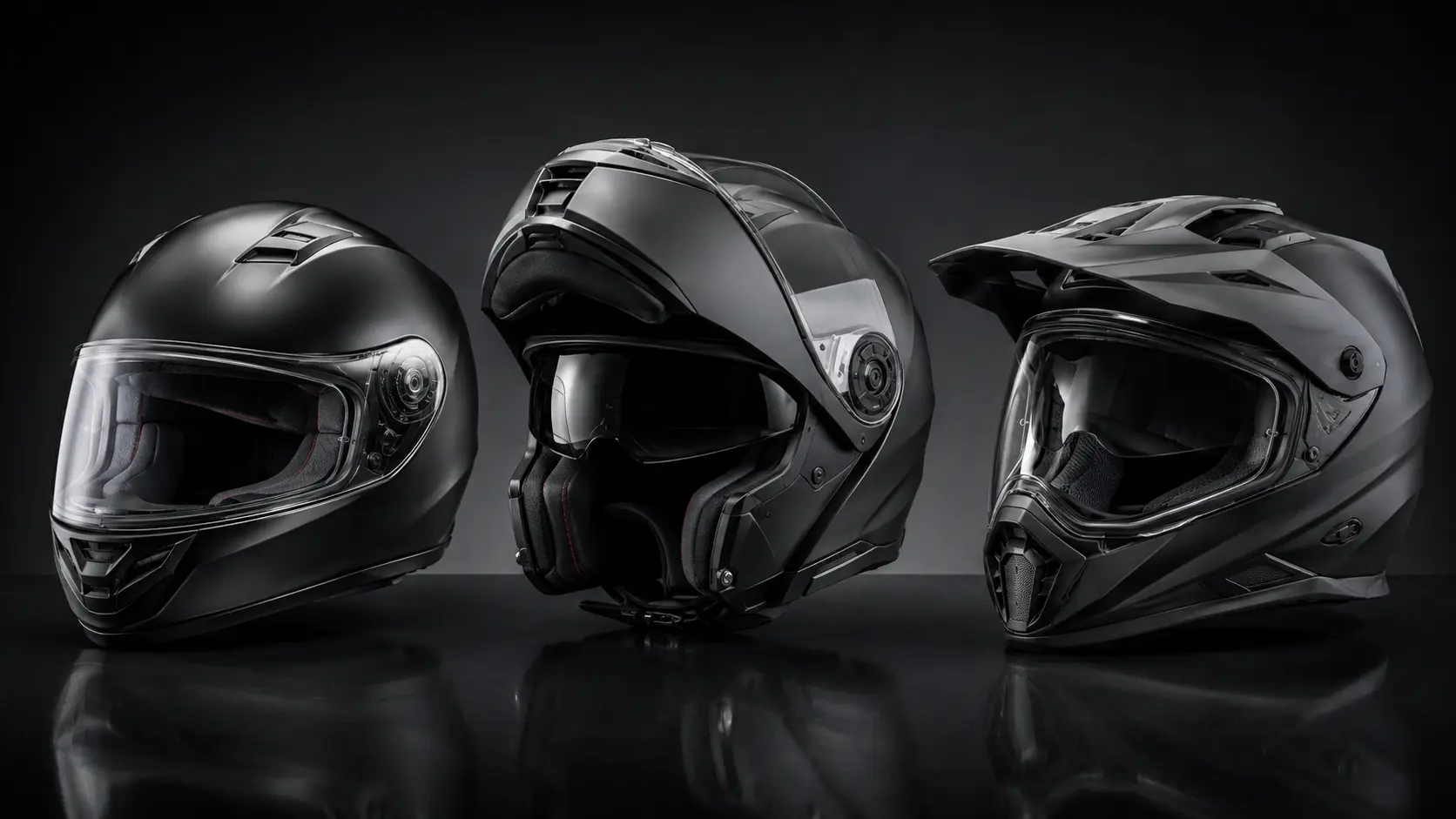
Helmet shopping can get confusing fast. Every brand claims comfort, safety, airflow and quietness. Every rider has an opinion. Some people want the lightest helmet, some want Bluetooth, some want a touring visor, and some only care how it looks with the bike. But before looking at specific models, it helps to understand the main helmet types and what each one does well.
This guide does not pretend there are only three good helmets in the world. That would be misleading. Instead, it explains three helmet categories most riders should consider: full-face, modular and adventure-style helmets. The best choice depends on how you ride, where you ride and what you can wear comfortably every time.
Helmet Fit Comes Before Helmet Features
A helmet that does not fit correctly is the wrong helmet, even if it has great reviews. It should feel snug around the head without sharp pressure points. It should not rotate easily when you move your head. The cheek pads should hold your face firmly, but not painfully.
Wear the helmet for several minutes before deciding. A pressure point that feels small in the store can become unbearable on a long ride. If possible, buy from a shop with a good return or fitting policy.
Three Helmet Types Compared
| Helmet Type | Best For | Trade-Off |
|---|---|---|
| Full-face | Sport, commuting, everyday road riding, maximum coverage. | Less convenient for talking or quick stops. |
| Modular | Touring, commuting, riders who want convenience. | Usually heavier and sometimes noisier. |
| Adventure | ADV touring, mixed roads, upright bikes, visibility. | Peak can catch wind at highway speed. |
Type 1: Full-Face Helmets
A full-face helmet is the default recommendation for many riders because it offers the most complete coverage. It protects the chin area, has a fixed shell structure and usually works well for commuting, sport riding and general street use.
Full-face helmets can be lighter and quieter than many modular helmets. They also tend to feel stable at speed. If you ride highways often, or if you want the simplest strong protection choice, a full-face helmet is hard to beat.
When a Full-Face Helmet Makes Sense
Choose a full-face helmet if you care most about protection, stability and all-around road use. It is especially sensible for new riders because it removes a lot of compromise. You put it on, close the visor and ride.
The downside is convenience. You cannot flip the front up at fuel stops. Talking to someone or drinking water requires removing the helmet. For many riders, that is a small price to pay.
Type 2: Modular Helmets
A modular helmet has a chin bar that flips up. Touring riders and commuters often like this design because it makes stops easier. You can speak more clearly at a gas station, get some air at low speed when stopped, or adjust glasses more easily.
The trade-off is weight and complexity. Modular helmets are often heavier than full-face helmets because of the hinge mechanism. Some are also noisier. Quality matters a lot in this category.
When a Modular Helmet Makes Sense
A modular helmet makes sense for riders who tour, commute, wear glasses or stop frequently. It is also popular with riders who want full-face-like coverage while riding but more convenience when stopped.
Do not ride with the chin bar up unless the helmet is specifically designed and approved for that use. Treat the flip-up feature as convenience, not an excuse to ignore protection.
Type 3: Adventure Helmets
Adventure helmets mix features from street and off-road helmets. They often have a wider eye port, a peak visor and room for goggles on some models. Riders on ADV bikes, dual-sports and upright touring motorcycles often like the visibility and airflow.
The peak can be useful in sun, dust and mixed conditions, but it can also catch wind at highway speed. If most of your riding is fast pavement, test carefully before choosing a peaked helmet.
When an Adventure Helmet Makes Sense
Choose an adventure helmet if you ride mixed roads, value visibility, or use an upright motorcycle where the helmet sits in cleaner airflow. It can be a great match for adventure touring and backroad exploring.
If your riding is mostly highway commuting, a regular full-face or touring modular may be quieter and more stable.
Safety Certification Matters
Helmet certification depends on your market, but the idea is simple: buy a properly certified helmet from a reputable source. Avoid suspiciously cheap helmets with unclear labels. A helmet is safety equipment, not just an accessory.
Also remember that a certified helmet still has to fit properly. A loose certified helmet is not as protective as it should be.
Noise, Ventilation and Real Comfort
Riders often underestimate helmet noise. A loud helmet can make rides tiring. Ventilation matters too, especially in hot weather. The challenge is balance: more vents can mean more airflow, but sometimes more noise.
Comfort also depends on your motorcycle. A helmet that is quiet behind a touring windscreen may be noisy on a naked bike. Your bike’s wind protection changes how the helmet feels.
Bluetooth and Helmet Tech
Bluetooth can be useful for navigation, calls and rider communication, but it should not be the main reason you choose a helmet. Fit, safety and comfort come first. If you want communication features, check speaker pockets, battery location, microphone fit and glove-friendly controls.
For more gear and ownership topics, browse the MotoLibrary motorcycle guides. If you are choosing a motorcycle to match your riding style, the MotoLibrary recommendation tool can help narrow the field.
Common Helmet Buying Mistakes
- Buying by looks before checking fit.
- Choosing the wrong head shape.
- Ignoring helmet weight.
- Assuming all expensive helmets fit better.
- Buying used without knowing crash history.
- Choosing a loud helmet for long highway rides.
- Letting Bluetooth features matter more than safety.
When to Replace a Helmet
Replace a helmet after a crash or significant impact. Also consider replacement if the liner is worn out, the shell is damaged, the visor mechanism is failing or the helmet is old enough that materials may no longer perform as intended. If you do not know a used helmet’s history, do not trust it.
FAQ
What is the safest motorcycle helmet type?
A properly fitted, certified full-face helmet usually offers the most complete coverage, especially around the chin area.
Are modular helmets safe?
Quality modular helmets can be safe, but they are more complex and often heavier. Buy from a reputable brand and check certification.
Are adventure helmets good for highway riding?
Some are, but the peak can catch wind. If you ride mostly highways, test stability and noise carefully.
Should I buy a used motorcycle helmet?
Usually no. You may not know whether it was dropped or crashed.
How should a helmet fit?
It should be snug, stable and free of painful pressure points. It should not rotate loosely on your head.
Final Take
The best motorcycle helmet is not the one with the most features. It is the one that fits your head, suits your riding and protects you every time you wear it. Start with fit and certification, then compare comfort, noise, ventilation and convenience. A helmet you trust and actually wear is worth more than any marketing claim.