
Best Bluetooth Motorcycle Helmet Reviews and Buying Guide
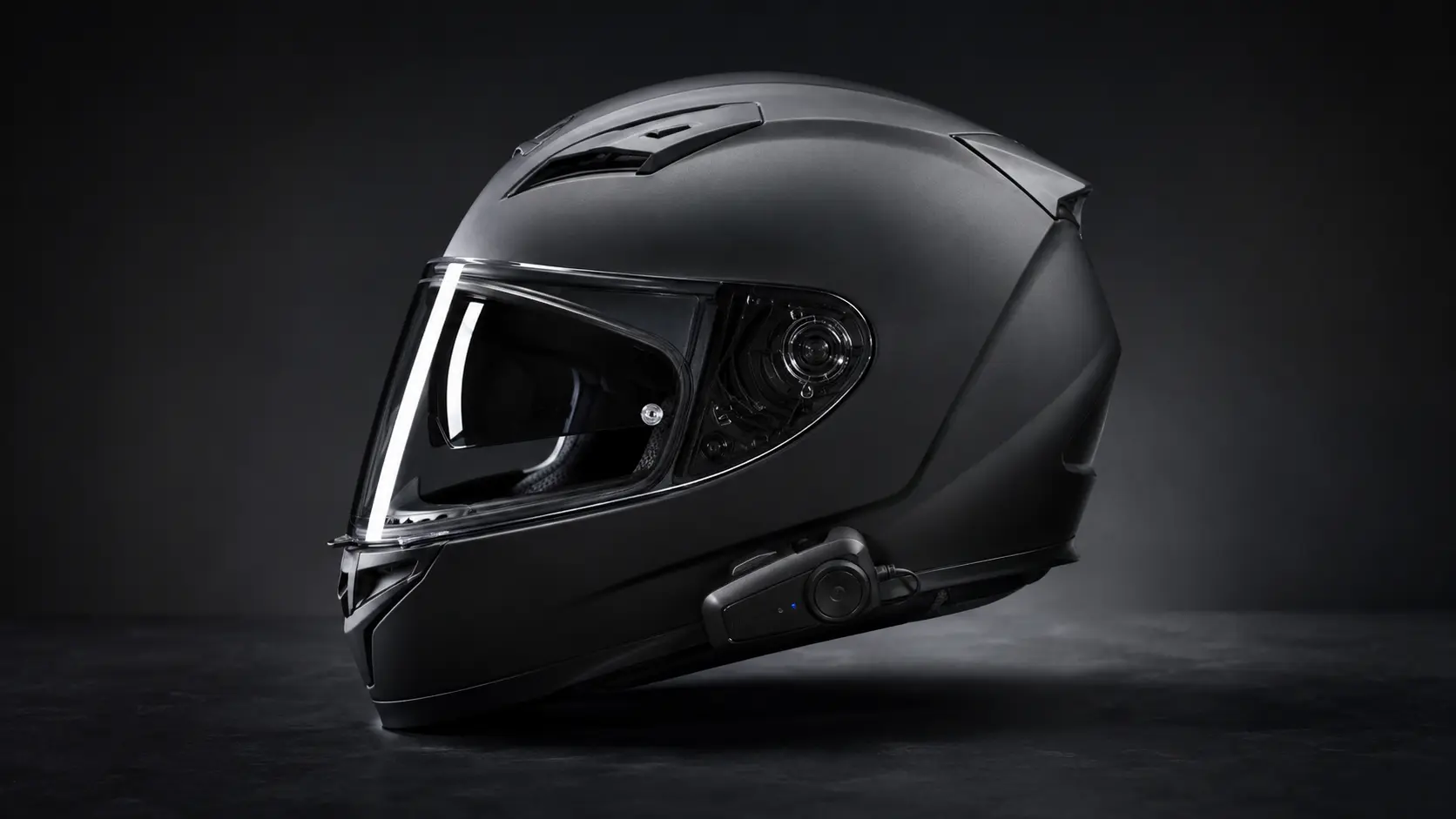
A Bluetooth motorcycle helmet sounds like the perfect upgrade. Navigation prompts, music, phone calls and rider communication all inside the helmet. But a helmet is safety equipment before it is electronics. If the helmet does not fit correctly, feels heavy, creates pressure points or gets too noisy on the highway, the Bluetooth system will not save the experience.
The best Bluetooth helmet is not always the one with the longest feature list. It is the one that protects properly, fits your head shape, stays comfortable on real rides and makes communication easier without distracting you. This guide explains what to look for before spending money.
Fit Comes First
Fit is the first test. A helmet should feel snug all around the head without sharp pain. It should not slide around when you shake your head. The cheek pads should hold your face firmly. If the helmet moves easily in the store, it will feel worse in wind.
Bluetooth features can make riders overlook fit. Do not do that. A cheaper helmet that fits correctly is better than a feature-packed helmet that does not fit your head shape.
Bluetooth Helmet Buying Checklist
| Area | What to Check | Why It Matters |
|---|---|---|
| Safety | Certification, shell quality, retention system. | Protection is the main job. |
| Fit | Head shape, cheek pads, pressure points. | Poor fit ruins comfort and protection. |
| Audio | Speaker clarity and volume at speed. | Wind noise can overpower weak speakers. |
| Microphone | Wind control and speech clarity. | Calls and intercom depend on it. |
| Battery | Runtime, charging time, standby life. | Touring riders need longer life. |
| Controls | Buttons, dial or voice control with gloves. | Hard controls become distracting. |
Built-In Bluetooth vs Add-On Systems
Some helmets come with Bluetooth built in. Others are designed to accept an add-on communication unit. Built-in systems look cleaner and may be easier for casual riders. Add-on systems can be easier to upgrade, repair or replace later.
If you change helmets often or care about high-end intercom features, an add-on system may be better. If you want simplicity and clean design, integrated Bluetooth may be enough.
Audio Quality at Speed
A Bluetooth helmet that sounds good in your living room may sound weak at highway speed. Wind noise, exhaust sound and helmet shape all affect audio. Look for real rider feedback about sound clarity at speed, not only marketing claims.
Do not solve bad audio by blasting volume. Extremely loud helmet audio can fatigue you and reduce awareness. Clear speakers and a quiet helmet matter more than maximum volume.
Microphone Clarity
If you plan to take calls or use intercom, microphone quality matters. A good microphone reduces wind noise so the person on the other end can actually understand you. Boom microphones often work well in modular helmets, while wired microphones may fit better in full-face helmets.
Check whether replacement microphones and speakers are available. Small parts matter when the helmet gets older.
Battery Life for Real Riding
Battery life should match your riding style. A commuter may only need a few hours. A touring rider may need all-day performance. If you use music, navigation and intercom together, battery life may drop faster than advertised.
Also check charging port type and charging time. A helmet that takes too long to charge can be annoying on multi-day trips.
Controls Must Work With Gloves
Small buttons can be frustrating with gloves. A large dial or simple button layout is often easier. Voice control can help, but it should not be the only usable method because wind, accent, noise or software issues can interfere.
A control system that requires too much attention is a safety problem. You should not be hunting through menus while riding.
Noise and Ventilation
Helmet noise is one of the biggest comfort issues. A noisy helmet makes Bluetooth harder to hear and increases fatigue. Ventilation matters too, especially in hot weather. More vents can improve airflow, but sometimes increase noise.
Your motorcycle also changes helmet noise. A naked bike, sport bike and touring bike can create different airflow around the same helmet.
Safety Certification and Helmet Age
Buy a certified helmet from a reputable source. Avoid suspiciously cheap helmets with unclear labels. Also avoid used helmets unless you know their history. A helmet can be damaged internally even if the outside looks fine.
Replace a helmet after a crash or significant impact. Bluetooth still working does not mean the helmet is still protective.
When Bluetooth Is Actually Useful
Bluetooth is useful for navigation prompts, group rides, passenger communication and occasional calls. It is less useful if it becomes a distraction. Keep volume reasonable and avoid complicated interactions while moving.
For more gear and safety content, browse the MotoLibrary motorcycle guides. If you are choosing a motorcycle for touring or commuting, the recommendation tool can help narrow your options.
Common Buying Mistakes
- Choosing features before fit.
- Ignoring helmet weight.
- Buying a loud helmet for highway use.
- Assuming all Bluetooth systems sound the same.
- Forgetting replacement parts.
- Buying used without knowing crash history.
- Choosing controls that are hard to use with gloves.
FAQ
Are Bluetooth motorcycle helmets safe?
They can be safe if the helmet is properly certified and fits correctly. Bluetooth does not replace helmet safety.
Is built-in Bluetooth better than add-on Bluetooth?
Not always. Built-in systems are clean and simple. Add-on systems can be easier to upgrade or replace.
Can Bluetooth distract riders?
Yes. Keep volume reasonable and avoid adjusting settings while riding.
What matters most in a Bluetooth helmet?
Fit, certification, comfort and noise control matter before electronics.
Should I buy a used Bluetooth helmet?
Usually no. You may not know whether it was dropped or crashed.
Final Take
The best Bluetooth motorcycle helmet is still a helmet first. Choose fit, safety, comfort and noise control before chasing features. Once those basics are right, Bluetooth can make navigation, communication and longer rides easier. If the helmet is uncomfortable or distracting, the technology is not worth it.